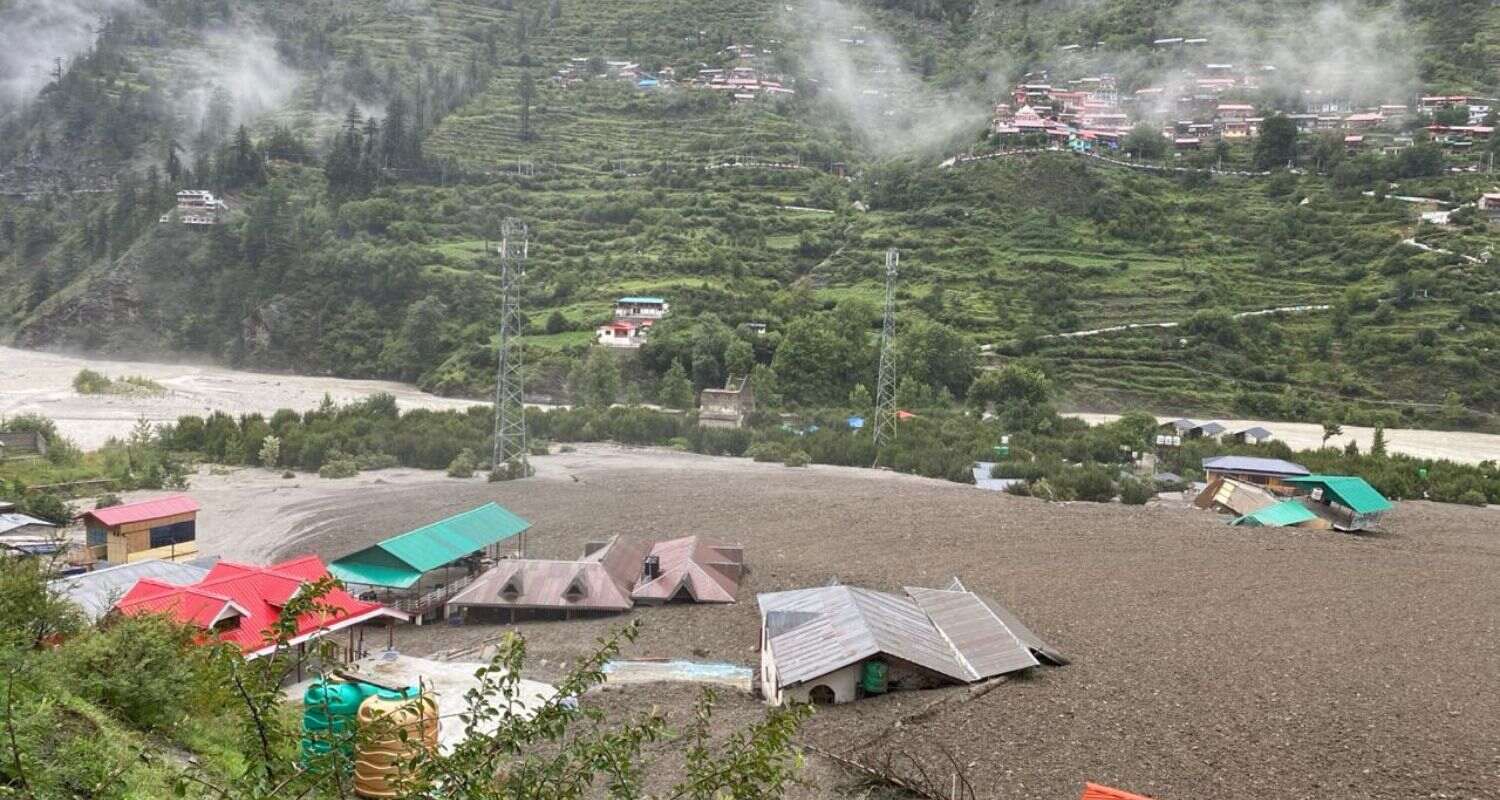
Dharali-Harsil Road Connectivity to Be Restored Within 3 Days After Cloudburst Damage
Uttarkashi’s recent cloudburst has provided a harsh but critical lesson in urban planning and climate-resilient infrastructure. The swift and coordinated response by officials and multiple agencies has not only focused on immediate relief but has also highlighted the imperative for a new paradigm in hilly region development. The disaster, which severed the vital Dharali-Harsil road link, has initiated a strategic re-evaluation of how connectivity is built and maintained in ecologically fragile zones, pushing for a zero net carbon, sustainable, and equitable approach to infrastructure.
In the aftermath of the torrential cloudburst and subsequent landslides, the Border Roads Organisation (BRO) has mobilized a significant operation to restore the key arterial route. An official spokesperson detailed the challenges, noting that four major landslide zones and a destroyed bridge are currently being addressed. The official stated that road connectivity is expected to be restored within a few hours, with work on a new, more resilient bridge commencing immediately after. The objective is to have the road to Harsil fully reopened within three days, a timeline that underscores the urgency and efficiency of the response. The official also mentioned that a critical decision is being made on whether to restore the old, submerged road or to carve out a new, more robust route, a choice that will set a precedent for future projects. This deliberation itself signals a shift away from short-term fixes and towards long-term, sustainable solutions.
The human element of the disaster has been a primary focus of the relief efforts. More than 300 individuals stranded in the Gangotri and surrounding areas have been safely evacuated to Harsil. This equitable rescue effort included individuals from a diverse cross-section of states, including Gujarat, Maharashtra, Madhya Pradesh, Uttar Pradesh, Rajasthan, Delhi, Assam, Karnataka, Telangana, and Punjab. The seamless transport of these evacuees to safety in Uttarkashi and Dehradun, and the subsequent airlift from Harsil to Jolly Grant Airport by a Chinook helicopter, showcases the logistical prowess of the joint task force. The collaboration between the Uttarakhand Police, the SDRF, the Army, and the ITBP exemplifies a cohesive and well-coordinated approach to disaster management, ensuring that every person, regardless of origin, receives prompt and safe assistance.
The incident is also prompting a wider conversation about the necessity of building infrastructure that can withstand the increasing frequency and intensity of extreme weather events. Experts are calling for a move towards eco-conscious engineering practices that minimise environmental disruption and enhance the stability of fragile mountain slopes. This includes using innovative soil bioengineering techniques and more rigorous environmental impact assessments. The focus is on creating roads and bridges that are not just functional but are also integral to the ecosystem, with a minimal carbon footprint. The disaster serves as a stark reminder that development in the Himalayas must be mindful of its environmental and social consequences, prioritising the long-term well-being of both the people and the planet. The restoration of the Dharali-Harsil road will be more than a physical rebuilding; it will be a symbolic act of forging a new, more sustainable path forward for urban development in India’s mountainous regions.