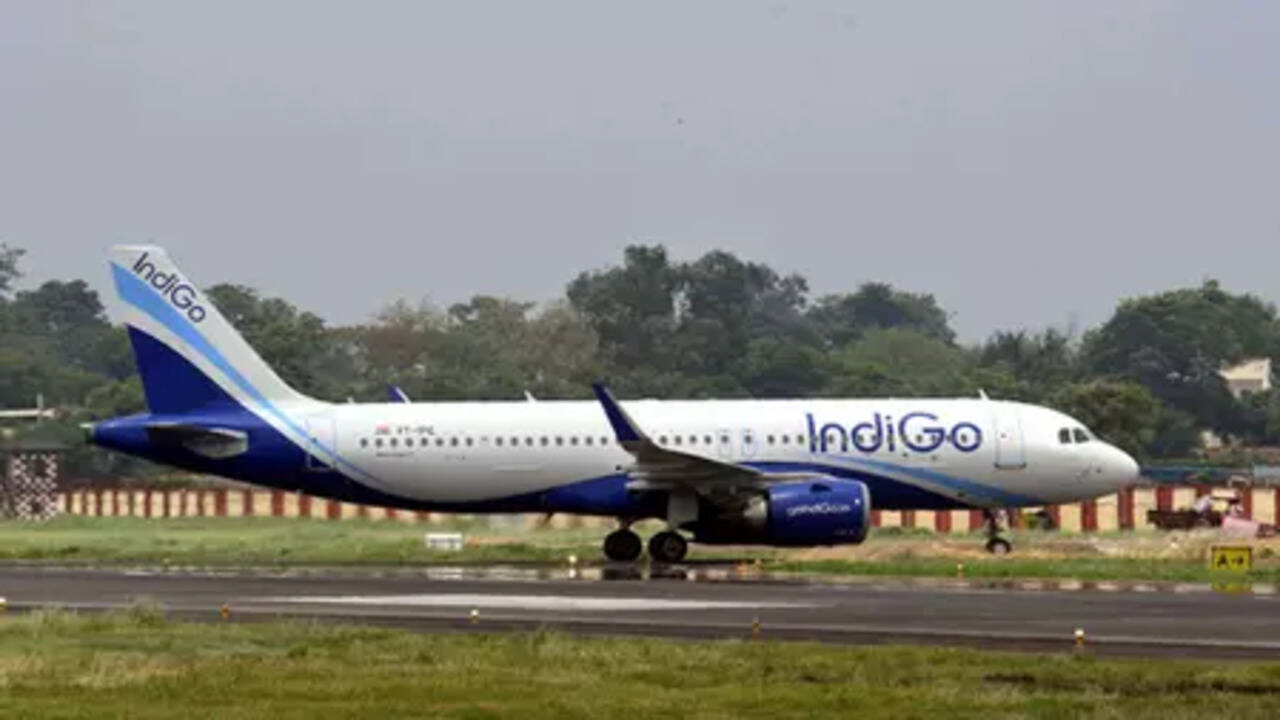
DGCA issues notice to IndiGo over unapproved pilot simulators
India’s aviation regulator has initiated a compliance review into a leading domestic airline’s pilot training practices, issuing a show-cause notice over the alleged use of unapproved simulators for critical airfield operations. The Directorate General of Civil Aviation (DGCA) has raised concerns that the training of around 1,700 pilots for flights into Category C airports known for complex terrain and operational challenges may have breached established safety protocols.
Category C airports, including destinations such as Leh, Kathmandu, and Calicut, require pilots to undergo specialised training that replicates the specific airfield environment, weather patterns, and approach procedures. These locations often feature short, table-top runways, mountainous terrain, and variable wind conditions, demanding high levels of skill and preparedness. DGCA regulations mandate that such training be conducted on simulators specifically approved for the target airfields.
According to the regulator’s findings, several simulator sessions were conducted on devices not qualified for the airports in question. The review lists 20 simulator units across training facilities in major Indian cities, with some marked “not qualified” for one or more critical destinations. The DGCA has cited provisions under its Civil Aviation Requirements (CAR) and operational circulars that outline the standards and qualification processes for flight simulators, including updates to airport models to reflect changes in runways or taxiways within a stipulated timeframe.
Regulatory experts note that adherence to these requirements is essential, as even minor discrepancies in simulator modelling can significantly affect a pilot’s readiness for real-world conditions. Simulators must match not only aircraft type but also replicate airport-specific layouts, obstacle profiles, and performance variables to meet DGCA’s stringent criteria. The airline has confirmed receipt of the notice and stated it will review the findings before responding within the prescribed 14-day period. It emphasised its commitment to maintaining the highest safety standards and ensuring operational compliance across all training programmes.
Industry observers point out that the investigation underscores the aviation sector’s increasing regulatory scrutiny in the wake of rising passenger volumes and operational complexity. The safety and skill of flight crew remain central to passenger trust, especially on routes where the margin for error is minimal. Should the regulator’s concerns be substantiated, the outcome could prompt a sector-wide review of simulator training compliance, reinforcing the need for precise alignment between regulatory standards and training infrastructure. For the industry, it is a reminder that technology, no matter how advanced, must be applied within the strict framework of safety governance to ensure the integrity of aviation operations.