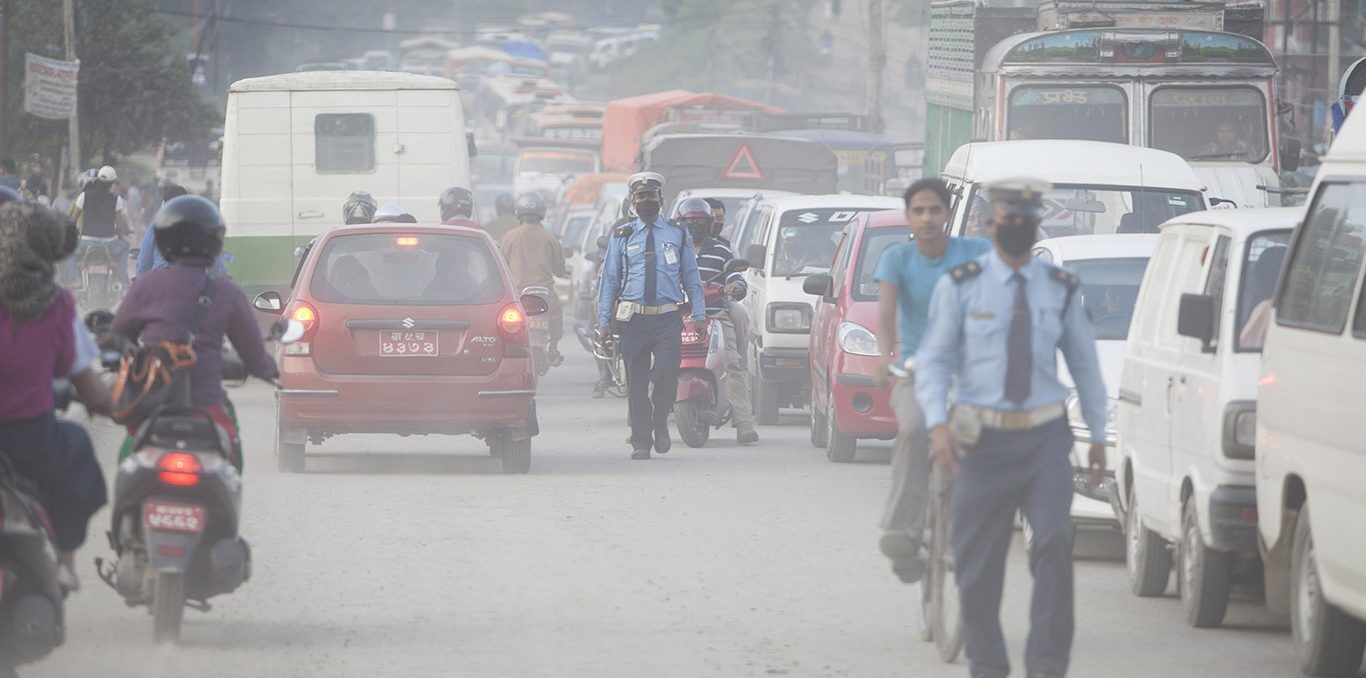
Derabassi Ranks Ninth in Indias Polluted Cities List
Derabassi which is a key town in Punjab, which has now been officially designated as the most polluted city in the entire region comprising Punjab, Haryana, and Himachal Pradesh. The data, presented in the Lok Sabha under the National Clean Air Programme (NCAP), reveals a disturbing increase in air pollution levels, positioning Derabassi as the ninth-worst performing city nationwide. This alarming trend, which stands in stark contrast to the improvements seen in most other cities, underscores a critical failure in local environmental management and poses a severe threat to public health and the region’s sustainable development goals. The deteriorating air quality demands immediate and robust policy interventions to reverse this dangerous trajectory.
The figures are particularly stark. The average concentration of PM10 pollutants in Derabassi has climbed from 88 µg/m3 in 2017-18 to 98 µg/m3 in 2024-25, marking an 11.4% increase. This makes the city a significant outlier in the NCAP, which has otherwise seen 103 out of 130 cities showing some level of improvement. The reasons behind this decline are multifaceted, ranging from rapid, unplanned urbanisation and industrial growth to vehicular emissions and construction dust. The data serves as a compelling case study on the consequences of unchecked development and highlights the critical importance of integrating eco-friendly and sustainable practices into urban planning. The failure to address these issues has not only compromised the well-being of its residents but has also created a negative example within a region where other cities are making tangible progress.
While Derabassi struggles, the data also provides examples of success in the state. Cities like Jalandhar, Amritsar, and Khanna have demonstrated significant reductions in their PM10 levels, with Jalandhar leading the way with an impressive 44.4% drop. These achievements underscore the effectiveness of targeted clean air action plans when implemented with commitment and rigour. The contrast between these cities and Derabassi is a powerful narrative about the difference between passive and proactive governance in tackling environmental challenges. The stagnating PM10 levels in Chandigarh, despite its status as a meticulously planned city, also point to a wider regional challenge in maintaining air quality standards and the need for more aggressive and innovative strategies to combat pollution from diverse sources.
The data presented under the NCAP is a crucial wake-up call, not just for Derabassi, but for all Indian cities. While the minister of state rightly noted that direct comparisons between cities and countries can be misleading due to geographical and meteorological differences, the trend within a single city is an undeniable indicator of a worsening situation. The success stories from Jalandhar and Amritsar provide a clear roadmap for Derabassi to follow, focusing on addressing major pollution sources such as construction and demolition activities, road dust, and industrial emissions. The fight against air pollution is a collective responsibility that requires a concerted effort from government bodies, industries, and citizens alike. The future health and prosperity of Derabassi depend on its ability to learn from these lessons and implement a robust, sustainable, and equitable clean air action plan that can reverse this alarming trend.