


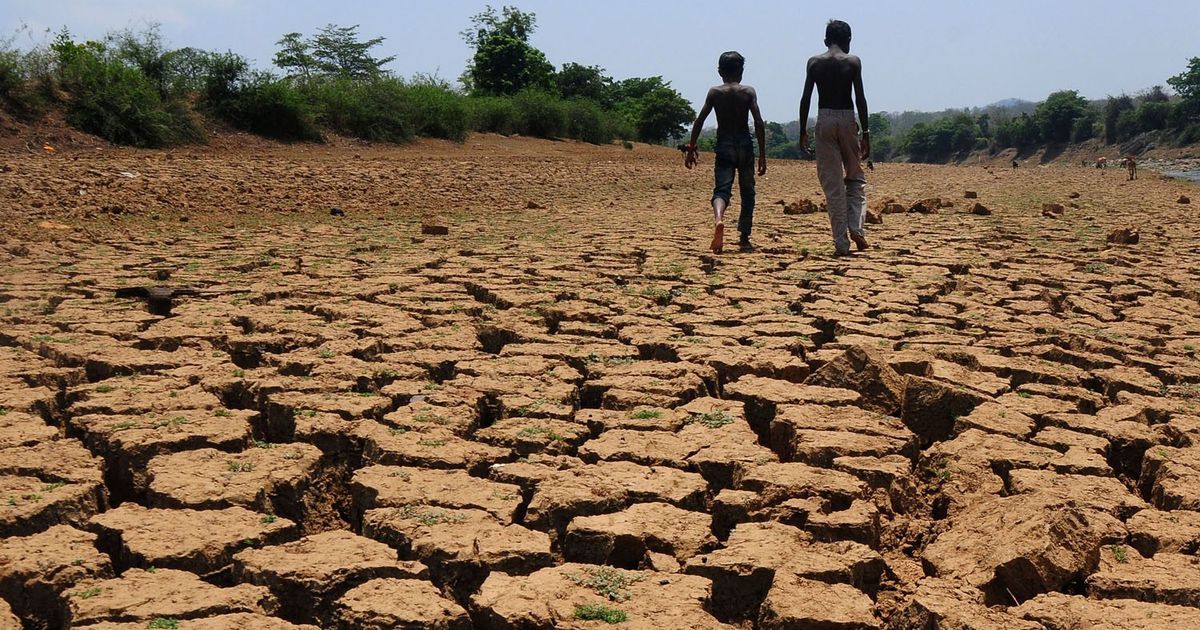
Eastern Uttar Pradesh faces an escalating drought crisis as the monsoon season delivers significantly insufficient rainfall, threatening the region’s agricultural backbone. With districts like Deoria recording a mere 6.5% of expected precipitation, the widespread dry conditions are severely impeding kharif crop cultivation, particularly paddy transplanting. This climatic challenge underscores the urgent need for resilient, eco-friendly agricultural strategies to safeguard food security and ensure equitable economic stability for farming communities across the state.
The dire situation extends across 29 districts in Uttar Pradesh, with the eastern belt, encompassing 13 districts, bearing the brunt of the rainfall deficit. While nearly all paddy nurseries statewide are prepared, only 65% of transplanting has been achieved due to parched fields. The sowing of other crucial crops also lags significantly, with maize at 62%, millet at 32%, pigeon pea at 52%, groundnut at 31%, and sesame at 54% of their average levels. This widespread shortfall highlights the vulnerability of traditional farming practices to changing weather patterns.
Reports from agricultural regions indicate widespread distress among farmers, who are contending with dry canals, non-functional irrigation infrastructure, and severely parched land. This scenario not only jeopardises immediate crop yields but also raises profound questions about long-term water management and the sustainability of current agricultural models. Conversely, some Bundelkhand districts, including Banda and Lalitpur, have experienced excess rainfall, highlighting the erratic and localised nature of monsoon patterns, a clear indicator of climate volatility.
In response, agricultural authorities are providing subsidised seeds for drought-resistant crops like millet and have directed irrigation and power departments to ensure consistent supply. However, these measures, while crucial, may offer only temporary reprieve against a backdrop of increasing climatic uncertainty. The imperative now is to transition towards more sustainable farming techniques, including water-efficient irrigation, crop diversification, and climate-resilient seed varieties, to build a zero net carbon agricultural future.
Should the low rainfall persist until the end of July, official drought declarations and comprehensive contingency plans will become inevitable. This looming crisis underscores the critical need for integrated urban and rural planning that prioritises water conservation, promotes gender-neutral access to resources, and ensures equitable support mechanisms for vulnerable farming communities. The long-term resilience of Eastern Uttar Pradesh, and indeed the entire state, hinges on proactive adaptation to climate change and the implementation of truly sustainable development pathways.
Also Read :Delhi‑NCR drenched in monsoon downpour, Commuters face waterlogging and massive jams
