Delhis Vehicle Boom A Challenge to Sustainable City Growth and Green Policy
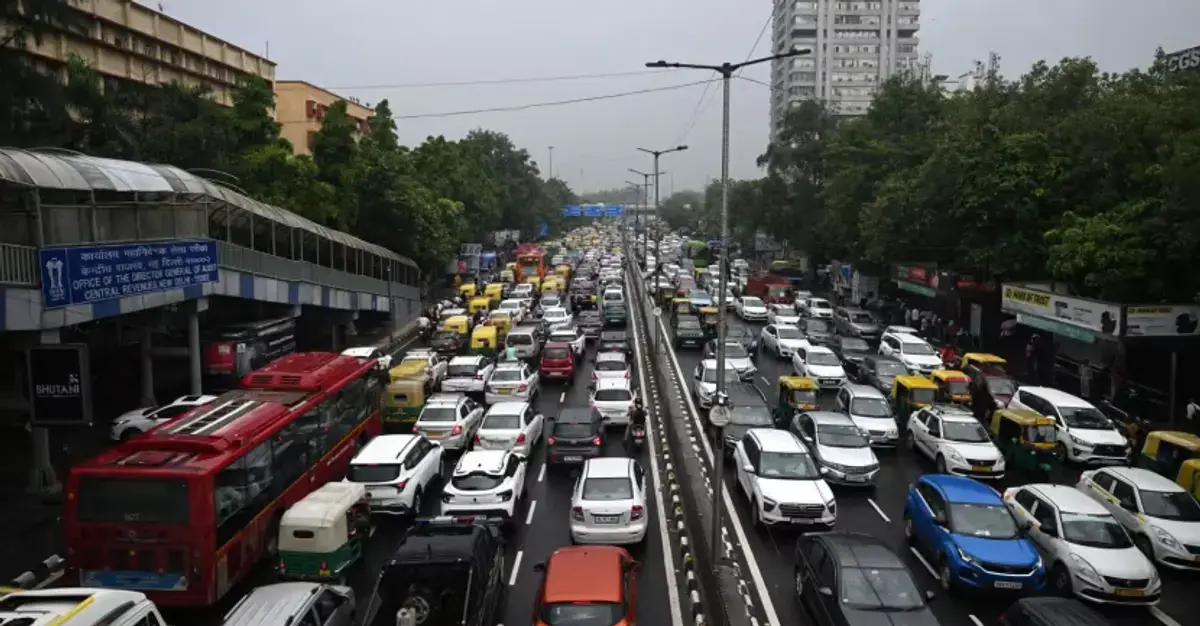
Delhi’s astonishing growth in vehicle population, now exceeding 1.5 crore—a figure comparable to the combined registered vehicles in Mumbai, Kolkata, and Chennai—underscores both the city’s economic dynamism and the immense pressure on its urban infrastructure and environment. This burgeoning vehicular fleet, further swelled by lakhs of vehicles entering daily from the National Capital Region (NCR), presents a critical challenge to sustainable city growth and necessitates robust green policies to mitigate its impact. The sheer volume of private vehicles, accounting for nearly 90% of the total in these mega-cities and over half in Delhi alone, directly contributes to escalating congestion and air pollution.
The Union road transport and highways minister recently acknowledged this overwhelming trend in the Lok Sabha. While banks determine vehicle loan decisions, the underlying issue points to an increasing reliance on private transport as the city expands. This situation amplifies Delhi’s existing environmental concerns, with vehicular emissions being a significant contributor to air pollution. In response, Delhi-NCR has been at the forefront of adopting stricter BS emission norms, with nearly 85 lakh vehicles in the region already complying with the advanced BS-VI standards, a testament to efforts in green policy implementation aimed at curbing pollution at its source.
However, the rapid pace of motorization continues to challenge policy effectiveness. Studies indicate that despite technological advancements and measures like the phasing out of older vehicles, the sheer increase in vehicle numbers can undercut gains in emission control. This necessitates a multi-pronged approach that goes beyond just emission standards, delving into comprehensive urban planning that discourages private vehicle use and promotes sustainable alternatives. Measures like investing in a robust public transport network, promoting electric vehicles (EVs) through incentives, improving last-mile connectivity, and implementing intelligent traffic management systems are crucial components of a holistic green policy.
Delhi’s air pollution mitigation plan for 2025 emphasizes public transport-centric electric mobility, restrictions on polluting vehicles, and a ban on end-of-life vehicles from entering the city. Ambitious targets, such as installing 18,000 EV charging stations and electrifying government vehicle fleets, are part of the strategy to create a cleaner transport ecosystem. The city also aims to leverage enforcement through Automatic Number Plate Recognition systems for strict compliance. Such policies are vital to ensure that Delhi’s growth does not come at the expense of its environmental quality and the well-being of its citizens.
Delhi’s impressive urban expansion is undeniably linked to its growing vehicle population, yet managing its environmental fallout is paramount. The city’s commitment to stringent green policies and strategic urban planning is essential to foster sustainable development and enhance liveability for its residents.