Delhi’s New Urban Agenda Links Yamuna Riverfront With Housing Reform
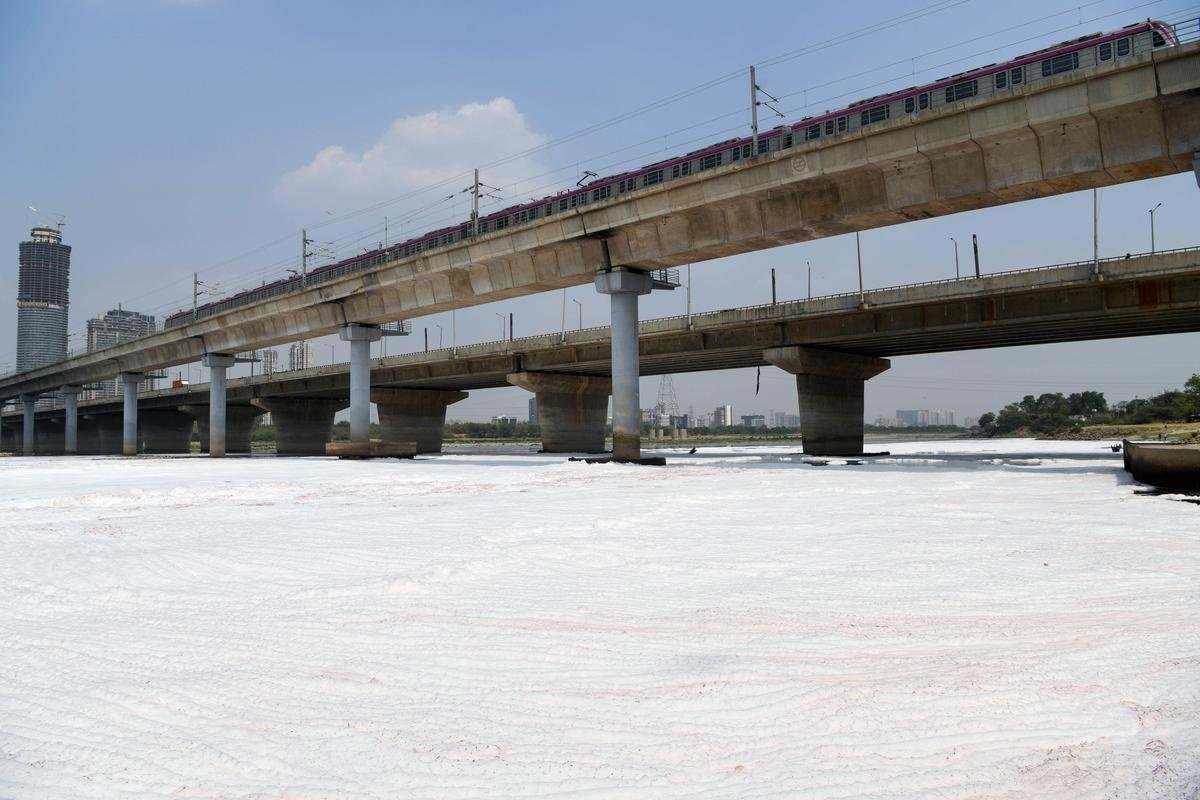
Delhi’s next phase of urban transformation may hinge on how effectively authorities combine ecological restoration with housing expansion. The newly appointed administrator overseeing the national capital’s planning authority now faces a complex agenda: advancing the long-delayed Delhi Yamuna riverfront development while unlocking large tracts of land for new housing and infrastructure under an upcoming city master plan. At the centre of this agenda is the effort to redesign the Yamuna floodplain into an accessible riverfront corridor with public parks, ecological zones and leisure spaces. Planning agencies are preparing to transform sections of the riverbank into landscaped promenades and biodiversity areas, drawing inspiration from riverfront renewal models implemented in other Indian cities.
The proposed works focus on a roughly 22-kilometre stretch of the river between two major barrages, where multiple environmental and recreational projects are planned across more than 1,500 hectares of floodplain land. Urban planners say the Delhi Yamuna riverfront development is expected to combine ecological restoration with public access. Several projects—including biodiversity parks, eco-tourism spaces and nature reserves—are under development or nearing completion. Officials believe that if managed carefully, these projects could help restore portions of the river ecosystem while providing open spaces in one of the world’s most densely populated metropolitan regions. However, riverfront renewal is only one part of the city’s broader urban strategy. The planning authority must also finalise and operationalise the long-awaited Master Plan 2041, which will shape how Delhi grows over the next two decades. The plan proposes reforms aimed at increasing housing supply, improving infrastructure connectivity and supporting more compact urban development. Among the key policy mechanisms under discussion is a land pooling framework designed to consolidate fragmented agricultural land in outer districts into planned residential and commercial neighbourhoods. The policy could open large areas on the city’s edges for structured urban expansion, replacing unplanned settlements with formally designed infrastructure, roads and public services.
Another focus area is transit-oriented development around metro corridors. The approach allows higher construction density close to public transport hubs by increasing Floor Area Ratio limits. Urban economists say such policies can support more efficient land use, reduce long-distance commuting and encourage mixed-use neighbourhoods that integrate housing, workplaces and retail. Meanwhile, a separate rehabilitation model for informal settlements is being revisited to accelerate housing delivery for lower-income residents. Under this framework, private developers can build rehabilitation housing for existing residents on part of the land while commercially developing the remaining portion to recover project costs. Together, these initiatives represent a pivotal moment for Delhi’s urban planning framework. If implemented effectively, the combination of river restoration, housing reform and transit-focused growth could reshape how the capital expands while balancing environmental resilience with rising population pressures.
Urban development experts note that the coming years will test whether Delhi can translate ambitious policy frameworks into on-ground projects that deliver both liveable neighbourhoods and a healthier urban ecosystem.