Delhis Lifeline Munak Canal Plagued By Breaches And Water Loss New Solutions Proposed
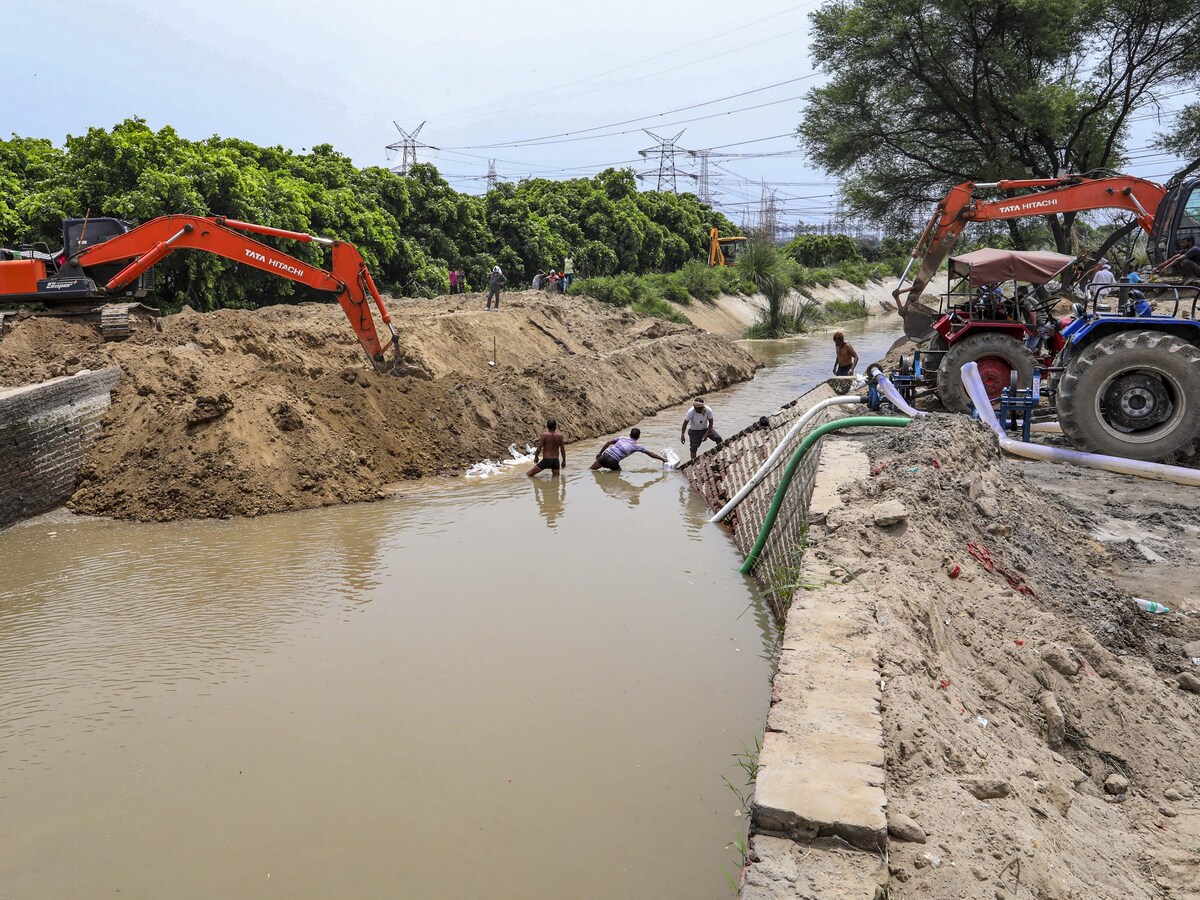
Delhi’s primary water supply, the Munak Canal, faces a deepening crisis marked by repeated breaches, significant water loss, and widespread neglect. Early last year, a 40-foot section collapsed, marking the third such incident in two years, severely disrupting water supply across vast parts of the Capital. The 102-kilometre canal, responsible for nearly 37% of Delhi’s raw water, is increasingly vulnerable to crumbling infrastructure, rampant theft, and encroachments, prompting urgent calls for comprehensive repairs and management.
A recent spot check along the canal revealed extensive disrepair, with rampant vegetation, missing concrete lining, and multiple visible cracks. An April 2024 report by the Delhi Jal Board confirmed that the canal’s Delhi Sub Branch (DSB) loses up to 30% of its water during transmission, a stark contrast to the 5% loss in the Carrier Line Channel. Beyond physical damage, the canal suffers from illegal tapping by private water tankers, turning sections near Bawana-Narela into open dumping grounds and areas for open defecation due to a lack of proper facilities and fencing.
In response to these persistent challenges, the government has announced several significant interventions. Plans are underway to cover sections of the Munak Canal with solar panels, aiming to curb massive water loss from evaporation, generate clean energy, and enhance safety and hygiene. Additionally, a ₹300 crore project proposes an 11-km conduit to bypass ammonia-contaminated Yamuna stretches, ensuring cleaner raw water for treatment plants. The Chief Minister has also expressed the government’s desire to take over the canal’s maintenance from Haryana, citing budgetary capability and a commitment to its vital role as Delhi’s lifeline, with discussions planned with the Haryana Chief Minister.
Addressing the canal’s disrepair and water loss is critical for Delhi’s water security and sustainable urban development. These initiatives, including solar panel integration, align with zero-net carbon goals and equitable resource distribution. Such vital infrastructure projects are essential for building a resilient, eco-friendly city capable of meeting future demands.