Delhis Inadequate Infrastructure Faces Scrutiny After Moderate Rains Cause Chaos
A spell of moderate rainfall has once again exposed the fragile state of Delhi-NCR’s urban infrastructure, triggering widespread waterlogging and severe traffic congestion. The daily commute for thousands was reduced to a chaotic crawl, highlighting the critical need for resilient urban planning that can withstand predictable climatic events. This recurring crisis is a stark reminder that the city’s rapid expansion has not been matched by a robust, eco-friendly drainage system, directly impeding its path towards becoming a truly sustainable and equitable metropolis.
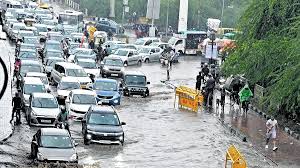
The sudden deluge crippled key arteries, most notably the National Highway 48, where the Narsinghpur stretch became a bottleneck of stalled vehicles and frustrated commuters. What should have been a routine journey for professionals and daily wage earners alike transformed into an hours-long ordeal. The visual of vehicles submerged in knee-deep water is a powerful symbol of a systemic failure—a failure to design and maintain a city that is fit for purpose, particularly in the face of changing weather patterns. Urban planners and climate experts have long warned that inadequate drainage is a major vulnerability, and recent events have brought these concerns into sharp focus.
This infrastructure deficit carries a significant environmental and economic cost. The extensive traffic snarls that accompany every downpour lead to a surge in carbon emissions and increased fuel consumption, directly undermining the national push for zero-net-carbon and eco-friendly transportation. A sustainable city must have a drainage network that prevents such events, allowing traffic to flow smoothly and reducing the collective carbon footprint. The current situation creates an unsustainable cycle of congestion and pollution, which not only damages the environment but also erodes economic productivity and public health.
Beyond the environmental impact, the crisis highlights a profound social inequity. Public transport systems, often the lifeline for a large segment of the population, are among the worst affected by waterlogged roads, disrupting services and leaving commuters stranded. The poor and marginalised, who frequently lack private transportation options, bear the brunt of this urban mismanagement. A truly equitable city provides reliable mobility for all its citizens, regardless of their socioeconomic status. The lack of a gender-neutral and accessible public infrastructure during such events further exacerbates the challenges faced by all commuters.
As the meteorological department forecasts more showers in the coming days, the city’s leadership faces a renewed challenge to address these foundational flaws. The current state of affairs is not merely a logistical problem; it is an existential threat to Delhi’s aspirations of becoming a globally competitive and sustainable urban hub. A long-term, strategic investment in storm water management, coupled with a concerted effort to curb unplanned construction and protect natural water bodies, is no longer a matter of convenience—it is a societal necessity.