Delhi’s ₹24000 Crore Push for Traffic Relief by 2027
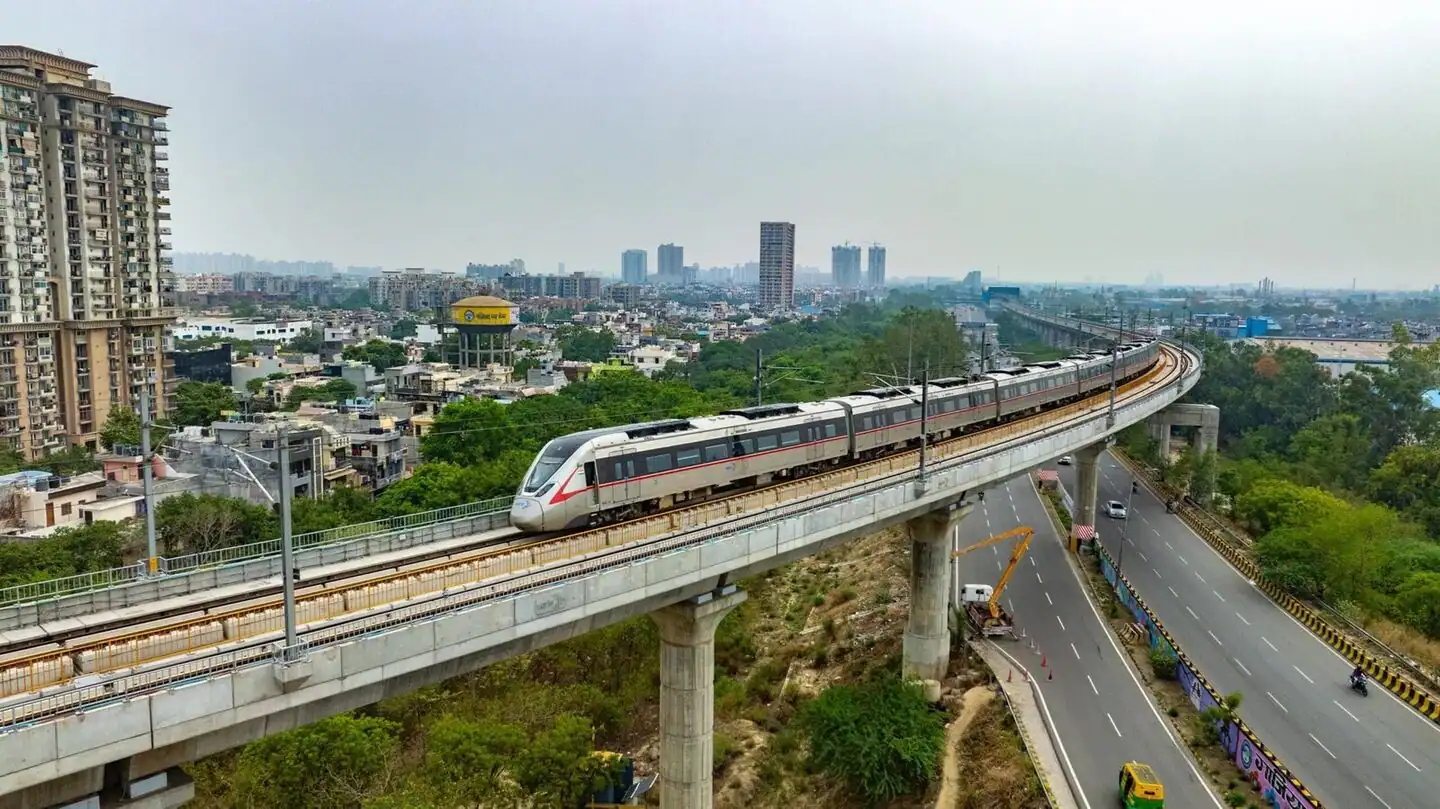
In a major push towards easing congestion and promoting sustainable urban mobility, Delhi officials have approved nine infrastructure projects worth ₹24,000 crore, aimed at transforming the city’s overloaded transport network. The projects, which include tunnels, metro extensions, elevated corridors, and new link roads, are expected to begin in phases from 2025 and conclude by 2027. This large-scale investment reflects a growing urgency to address chronic traffic bottlenecks, lower pollution levels, and improve last-mile connectivity across residential, industrial and airport zones in the capital.
Among the highlights is a 12.3-kilometre Pink Line Metro extension between Majlis Park and Maujpur, which will complete the city’s first metro ring road. This circular route is designed to streamline public transport access and eliminate the need for commuters to switch lines or surface onto traffic-heavy roads. By significantly cutting travel time and reducing vehicular dependency, this metro expansion is expected to bring substantial environmental benefits and ease daily travel stress for millions of Delhi’s residents and workers. In South Delhi, an elevated corridor between AIIMS and the Mahipalpur bypass has been approved to create a direct and faster route to the airport. It is designed to facilitate smoother flow for airport-bound travellers and those commuting through key neighbourhoods like Dhaula Kuan and South Extension.
A 5-kilometre tunnel connecting Shiv Murti to Vasant Kunj and National Highway 48 will also be built to reduce heavy vehicular congestion in this rapidly developing corridor, offering relief to both private and commercial transport operators. The plan extends far beyond central zones, with outer Delhi also set to witness significant improvements. Flyovers and underpasses will be constructed on the Urban Extension Road-II and Gurugram-Jaipur Highway, easing the movement of trucks and long-distance travellers. New roads linking Rohini, Narela, and Bawana are aimed at integrating expanding residential and industrial belts more efficiently into the city’s core. Officials say these developments are essential to accommodate Delhi’s fast-growing population while also shifting focus towards greener, high-capacity transport solutions.
While the cost and execution scale of these projects are significant, the focus remains on building inclusive and sustainable infrastructure that benefits all citizens. If completed on time, these upgrades could mark a turning point in Delhi’s urban planning narrative—one where environmental responsibility and smart mobility converge. Experts suggest that such forward-looking infrastructure investment is not only essential for easing present-day gridlock but also for preparing the city for a net-zero and climate-resilient future.