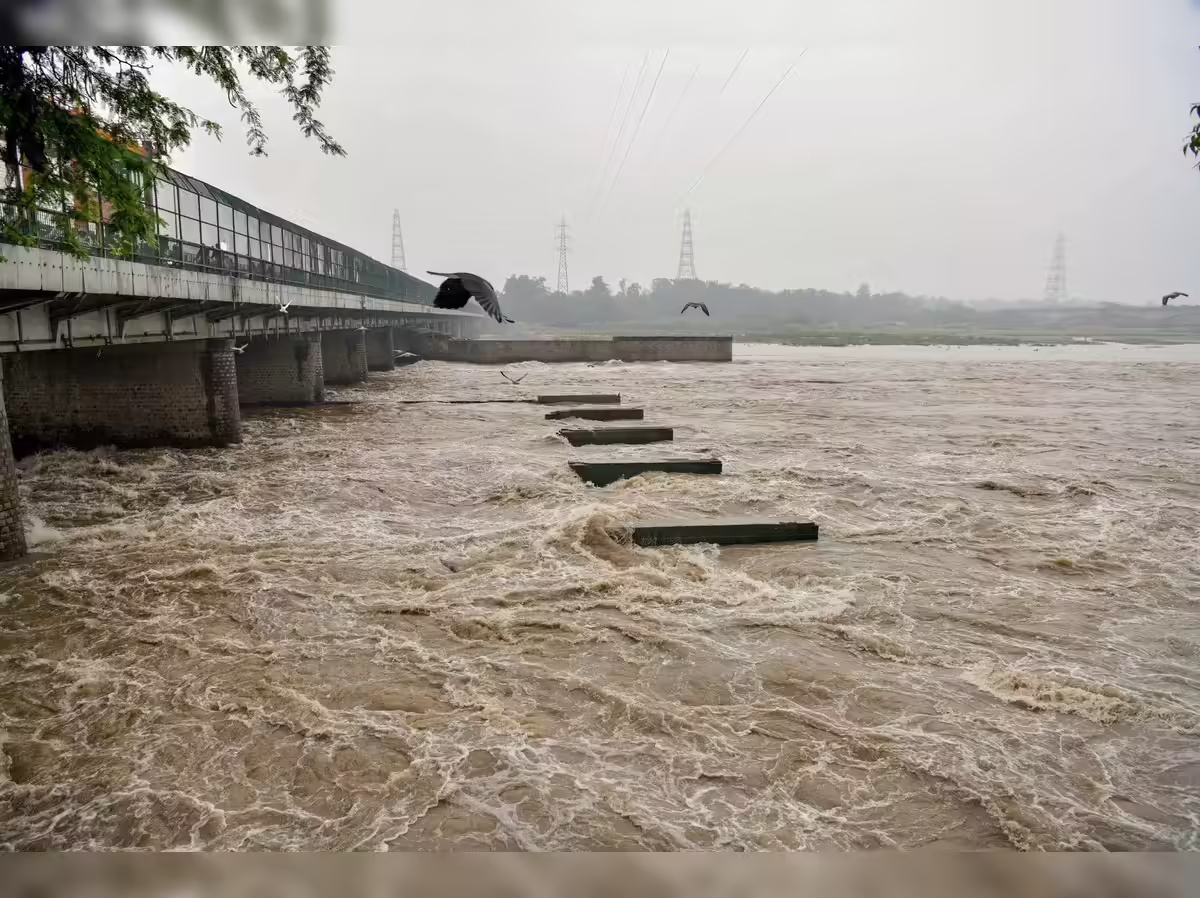
Delhi Yamuna Pollution Surge Raises River Health Alarm
Water quality monitoring across Delhi’s stretch of the Yamuna indicates a renewed deterioration in river health during March, with pollution indicators climbing at several monitoring points. The latest assessment by the state pollution regulator highlights a sharp increase in bacterial contamination and organic waste levels, reinforcing concerns about untreated sewage inflows and the fragile state of the capital’s most critical urban river ecosystem. Data from multiple sampling stations show that Yamuna pollution levels rose noticeably compared with readings recorded earlier in the year. Scientists track river health through parameters such as Biological Oxygen Demand (BOD), dissolved oxygen, and faecal coliform counts—key indicators that reveal the extent of organic contamination and microbial activity in water bodies. Elevated readings typically indicate the presence of untreated domestic waste and declining aquatic conditions.
Among the most alarming observations was the spike in faecal coliform levels at monitoring points downstream of the city, where counts reached several hundred thousand most probable number units per 100 millilitres—far exceeding recommended safety thresholds for surface water. Environmental experts explain that such concentrations often signal large volumes of untreated sewage entering the river, particularly in densely populated urban catchments. The monitoring exercise covers eight strategic locations across the Yamuna’s passage through Delhi, including points upstream and downstream of major urban drains and barrages. These sites help regulators understand how pollution intensifies as the river flows through the metropolitan region. While upstream stretches generally show comparatively better water quality, downstream segments frequently record severe contamination due to cumulative discharge from residential colonies, informal settlements and industrial areas. High Biological Oxygen Demand values recorded during the same period further underline the scale of organic pollution. BOD measures the amount of oxygen required by microorganisms to break down organic matter in water. When levels rise significantly, dissolved oxygen in the river drops, making conditions hostile for fish and other aquatic life.
Urban ecologists say persistent spikes in BOD reflect long-standing challenges in sewage treatment infrastructure and stormwater management. Delhi generates thousands of millions of litres of wastewater every day, and despite decades of investment in treatment plants, a substantial portion continues to reach the Yamuna either untreated or partially treated. Rapid urban expansion, ageing sewer networks, and illegal drain connections often worsen the problem. The situation also highlights the growing need for integrated river basin planning that combines infrastructure upgrades with wetland restoration and improved wastewater governance. Urban planners note that reducing Yamuna pollution levels is essential not only for ecological recovery but also for the broader resilience of Delhi’s water systems. Cleaner rivers contribute to groundwater recharge, biodiversity preservation and climate adaptation in increasingly dense cities.
With monitoring agencies continuing to track seasonal changes in river quality, experts stress that the next phase must focus on accelerating sewage interception projects, strengthening enforcement against illegal discharge and expanding decentralised wastewater treatment. Without sustained intervention, the capital’s most iconic river risks remaining trapped in a cycle of pollution despite ongoing clean-up efforts.