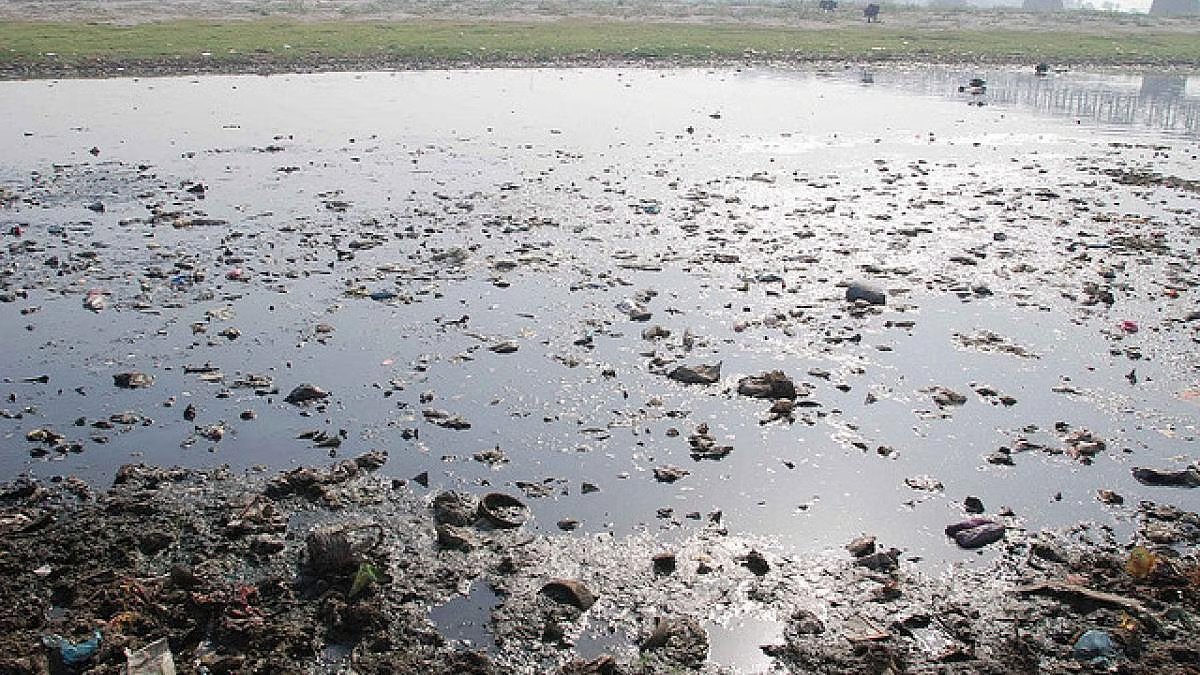
Delhi’s river restoration challenge is increasingly being defined by a highly concentrated pollution zone, where a limited urban stretch of the Yamuna is bearing the brunt of the capital’s wastewater burden. The emerging pattern around Delhi Yamuna pollution highlights how a relatively small segment within the city has become critical to the river’s overall health and the effectiveness of ongoing clean-up efforts. Although the Yamuna flows for several kilometres through the capital, environmental assessments indicate that a central stretch downstream of key barrages is responsible for the majority of contamination. This portion of the river receives continuous inflows from multiple drains carrying untreated and partially treated sewage, along with industrial discharge.
Urban planners describe this clustering of pollution sources as both a challenge and an opportunity, as targeted interventions in a confined geography could yield measurable improvements. A network of more than twenty major drains feeds into the river within city limits, with some channels transporting wastewater from neighbouring states. These inflows create a near-constant load of pollutants, overwhelming the river’s natural capacity to recover. Experts point out that the issue is not only the volume of discharge but also its quality, as many drains fail to meet prescribed treatment standards even before entering the river system. The Delhi Yamuna pollution crisis is further compounded by inadequate freshwater flow. During lean seasons, limited upstream water release reduces the river’s ability to dilute contaminants. By the time water reaches the most affected stretch, natural losses through evaporation and seepage significantly diminish its volume. This results in deteriorating water quality indicators, including low dissolved oxygen levels and elevated biochemical oxygen demand, both of which are critical markers of ecological health.
Monitoring data reveals a stark contrast between upstream and downstream conditions. While sections entering the city maintain relatively healthy oxygen levels, the situation worsens sharply as the river passes through dense urban zones. This decline reflects the cumulative impact of untreated waste inflows and insufficient dilution capacity. Despite investments in sewage treatment infrastructure, gaps remain in actual processing efficiency. While installed capacity may be close to estimated wastewater generation, operational challenges and network limitations continue to allow a portion of untreated sewage to enter the river. This disconnect between infrastructure availability and on-ground performance has been identified by experts as a key barrier to meaningful progress. From an urban development perspective, the state of the Yamuna has implications beyond environmental concerns. River health influences land use patterns, real estate development, and the quality of public spaces along its banks. Reviving the river could unlock significant social and economic value, particularly through waterfront regeneration and improved urban ecosystems.
Addressing Delhi Yamuna pollution will require a coordinated approach that goes beyond infrastructure expansion. Ensuring consistent river flow, improving drain-level treatment, and strengthening inter-agency coordination will be critical. As the city continues to grow, the focus is likely to shift towards targeted, data-driven interventions that can restore ecological balance while supporting a more sustainable urban future.