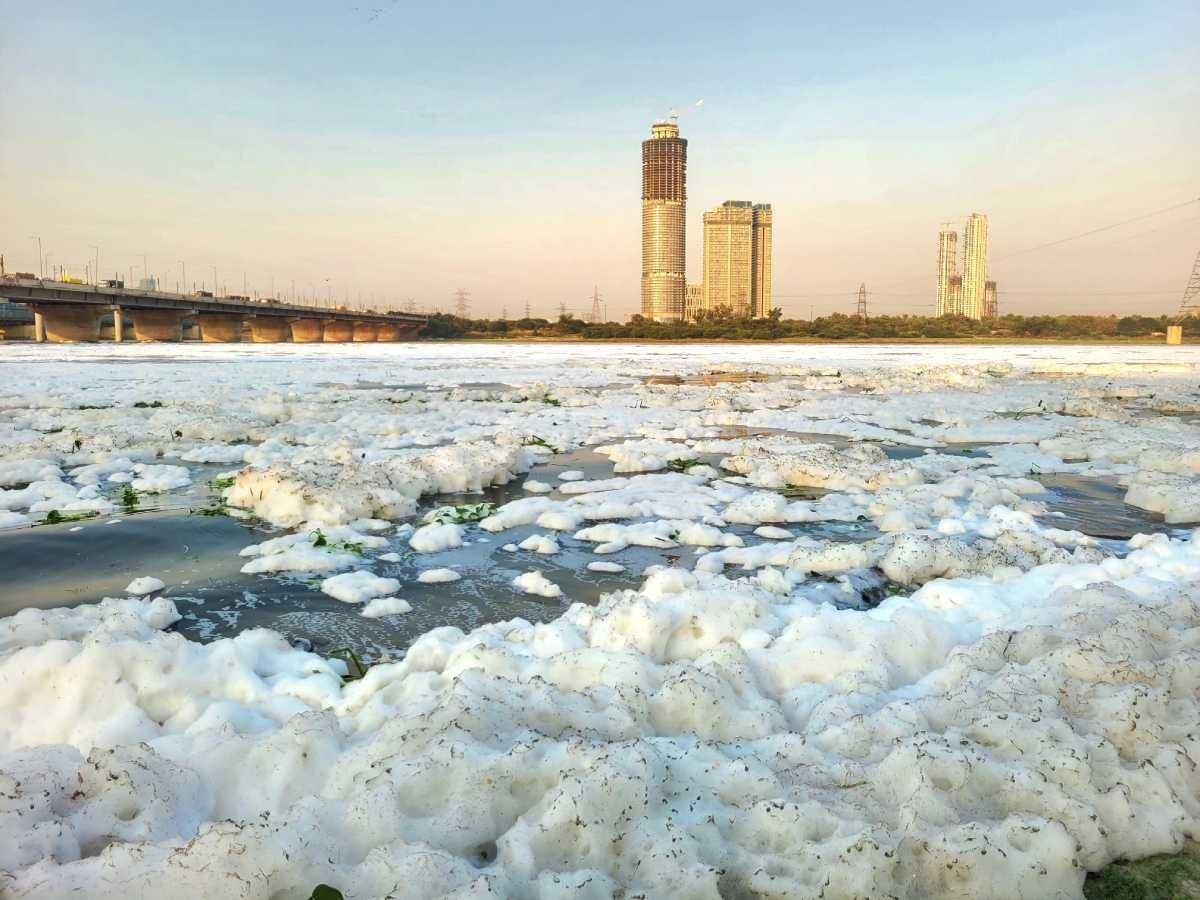
Delhi Yamuna Monitoring Network Tracks River Pollution
Delhi is preparing to deploy a digital monitoring system to track pollution levels in the Delhi Yamuna Monitoring Network, introducing dozens of automated stations along the river and its major drains. Authorities expect the system to begin generating continuous water quality data from May, marking a significant shift toward technology-led environmental monitoring in the capital’s most polluted river stretch. The project involves installing 41 online monitoring stations across key pollution points. Six of these units will be placed along the Yamuna River, while the remaining stations will track water quality in major drains that discharge into the river. Officials involved in the initiative say the Delhi Yamuna Monitoring Network will allow regulators to measure pollution loads in real time and identify specific sources of contamination.
Urban environmental planners view this development as an important step in modernising river management in large metropolitan regions. Continuous monitoring systems generate high-frequency data that can help authorities respond faster to pollution spikes, track industrial discharges and monitor the performance of sewage treatment infrastructure. The monitoring stations will analyse several chemical and physical indicators of water quality, including biological oxygen demand, chemical oxygen demand, dissolved oxygen levels, suspended solids and nutrient concentrations. These parameters are commonly used to assess organic pollution and wastewater contamination in rivers. However, some critical indicators such as bacterial contamination will still be monitored through periodic laboratory sampling rather than automated sensors. Officials note that manual water sampling programmes will continue in parallel with the Delhi Yamuna Monitoring Network to ensure comprehensive environmental oversight. The monitoring infrastructure will be installed at multiple points along the river’s course within the city, including locations where pollution inflows are particularly significant. Among the sites selected are Palla, ITO Bridge, Nizamuddin Bridge and Okhla Barrage.
These locations represent critical sections of the river where water flow and pollution levels fluctuate significantly. Environmental experts have long pointed out that a relatively short stretch of the river within Delhi carries a disproportionately high pollution load. Much of this contamination originates from untreated or partially treated sewage discharged through urban drains. One of the largest contributors is the Najafgarh Drain, which releases a significant share of the wastewater entering the Yamuna in the capital. Access to real-time water quality data could improve regulatory enforcement and help identify infrastructure gaps in the city’s sewage treatment network. Analysts say transparent environmental data also allows researchers, policymakers and residents to better understand the scale of river pollution.
For a city where the Yamuna remains central to water supply, flood management and urban ecology, the Delhi Yamuna Monitoring Network represents an attempt to move from periodic testing to continuous environmental surveillance. If the system functions effectively, the data it generates could shape future river restoration policies and guide investments in sewage treatment and drainage infrastructure.