


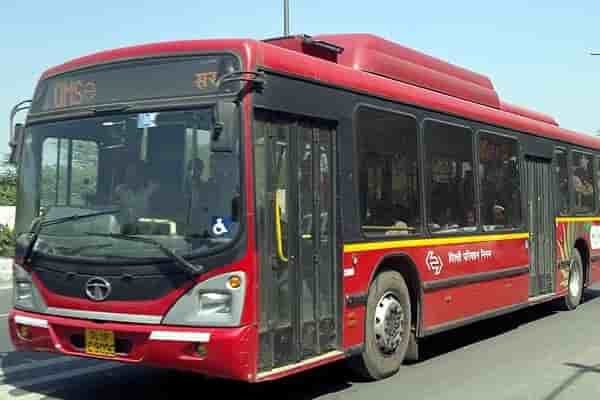
Delhi is set to roll out a redesigned bus network across its western districts from Wednesday, marking the next phase of the city’s ongoing public transport overhaul. The route rationalisation, led by the Delhi Transport Corporation (DTC), aims to stabilise service frequency, improve last-mile connectivity and manage fleet transitions as older buses are phased out under statutory norms.
fficials overseeing the exercise said the West Region restructuring builds on an earlier pilot in the eastern part of the city, where revised route patterns were introduced to address uneven demand and long waiting times. The western rollout is being implemented against the backdrop of a significant fleet transition, with 15-year-old compressed natural gas (CNG) buses being retired and electric buses gradually taking their place. A senior transport department official said the rationalisation has been designed to avoid service disruption despite the mandatory withdrawal of ageing vehicles. “No existing 12-metre bus corridor has been eliminated. Instead, routes have been reorganised based on ridership density, corridor importance and operational efficiency,” the official said, adding that peak-hour deployments have been increased under a unified timetable to absorb commuter demand.
The revised network covers 181 routes in the West Region, with adjustments made to compensate for depot closures and shifting fleet availability. Transport planners say the changes are intended to smoothen headways, particularly on high-demand corridors linking residential clusters to metro stations, industrial areas and employment hubs. For commuters, this could translate into shorter waits and more predictable travel times during peak periods. An important feature of the overhaul is the integration of smaller electric buses into longer trunk routes. Up to half of the existing electric fleet is being deployed on selected 12-metre corridors, a move officials say will help maintain service levels while enabling flexible scheduling. The introduction of 9-metre electric buses, designed for narrower roads and lower-demand stretches, is expected to improve coverage in neighbourhoods previously underserved by standard-size vehicles.
Urban mobility experts view the rationalisation as part of a broader shift towards data-driven route planning. “Legacy bus networks often evolve incrementally, leading to overlaps, inefficiencies and coverage gaps,” said a mass-transit consultant. “Periodic rationalisation allows agencies to align services with actual travel behaviour and integrate emerging electric fleets more effectively.”
The restructuring also carries implications for Delhi’s climate goals. With more than 3,600 electric buses added to the fleet since the current administration took office, the city now operates one of the largest zero-emission bus networks in India. Officials say the target is to exceed 5,000 electric buses by March 2026 and cross 7,000 later that year, positioning public transport as a central pillar of Delhi’s low-carbon mobility strategy.
From an economic standpoint, reliable bus services remain critical for workforce mobility, particularly in outer districts where metro coverage is thinner and informal employment is concentrated. Transport economists note that service predictability can significantly influence labour market participation and reduce household transport costs. However, planners caution that route rationalisation must be accompanied by sustained investments in depots, charging infrastructure and real-time passenger information systems.
Without these, operational gains risk being eroded by maintenance bottlenecks and uneven service quality. With the West Region rollout now underway and the North Zone next in line, the effectiveness of Delhi’s route rationalisation programme will be closely watched. Its long-term success will depend on how well the network adapts to evolving travel patterns, fleet electrification and the city’s broader push for inclusive, climate-resilient urban mobility.
Delhi West Region Bus Routes Reshaped
