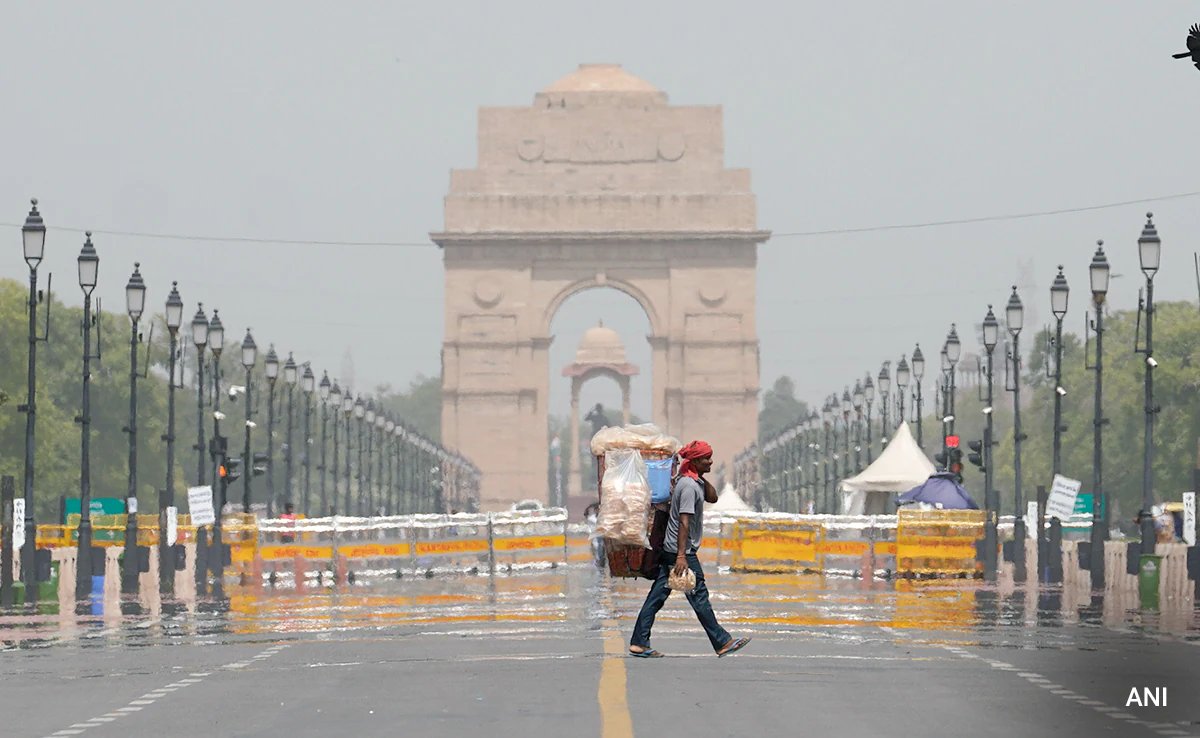
Delhi Weather Update Shows Mild Rise In Temperature
Delhi is experiencing a gradual warming trend this week, with daytime temperatures inching upwards even as intermittent cloud cover and light rainfall continue to moderate overall conditions. The latest Delhi weather update points to a stable yet transitional phase, where seasonal shifts are influencing both temperature patterns and air quality across the capital. Meteorological observations indicate that maximum temperatures in the city are hovering close to the 30-degree Celsius mark, with minor variations across different monitoring stations. While central locations have recorded slightly higher readings, peripheral zones have remained marginally cooler. Night-time temperatures have also shown a mild increase, reflecting a steady progression towards warmer pre-summer conditions.
Despite the rise in temperatures, the presence of clouds and occasional drizzle has prevented sharper spikes. Weather experts note that such conditions can create a temporary balance, where solar heating is offset by atmospheric moisture and cloud cover. Wind movement has also contributed to maintaining relatively comfortable conditions during the day. The Delhi weather update is closely linked to air quality trends, which have remained in the moderate range over recent days. With Air Quality Index levels staying above the ‘satisfactory’ category but below more severe thresholds, the current conditions suggest a temporary easing of pollution stress. Environmental analysts attribute this to a combination of meteorological factors, including light rainfall and wind dispersal, which help reduce the concentration of particulate matter. However, experts caution that such improvements are often short-lived in Delhi’s context. As temperatures rise and atmospheric conditions stabilise, the potential for pollutant accumulation increases. This cyclical pattern underscores the city’s dependence on weather variability to manage air quality, rather than relying solely on structural emission reductions.
From an urban systems perspective, the interplay between weather and pollution has wider implications. Changes in temperature and air quality influence daily mobility patterns, energy consumption, and public health outcomes. For instance, moderate conditions can reduce the immediate burden on healthcare systems while also affecting demand for cooling infrastructure in residential and commercial spaces. Urban planners argue that cities like Delhi need to integrate climate-responsive strategies into long-term planning. This includes enhancing green cover, improving ventilation corridors, and reducing heat-retaining surfaces to mitigate the impact of rising temperatures. Such measures can complement broader efforts to improve air quality and build resilience against climate variability.
Looking ahead, forecasts suggest that partly cloudy conditions are likely to persist in the short term, with temperatures remaining within a narrow range. While this offers temporary relief from extreme heat and pollution, the broader challenge of managing urban climate and air quality remains. Sustained improvements will depend on aligning environmental management with infrastructure planning, ensuring that short-term weather benefits translate into long-term urban resilience.