HomeLatestDelhi Weather Turns Cooler After Rainfall
Delhi Weather Turns Cooler After Rainfall
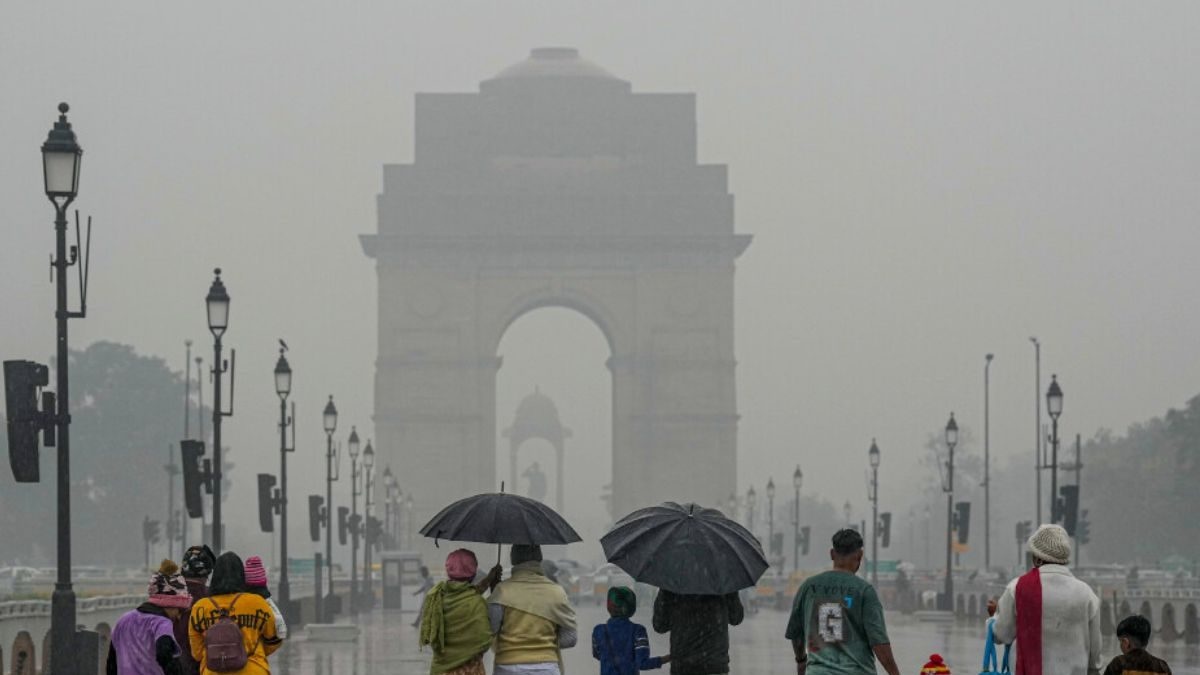
Unseasonal rain and strong winds brought an unusual cooling effect across the national capital this week, with the city recording its coolest April day in nearly three years. The sudden Delhi weather shift lowered daytime temperatures well below seasonal averages and temporarily disrupted air travel while offering residents brief relief from the rising summer heat. Meteorological observations show that the capital’s primary weather station recorded a daytime high of about 28.8 degrees Celsius, significantly below the typical early April average. The drop placed temperatures nearly six degrees lower than normal, marking one of the coolest early April days the city has experienced in recent years.
Weather officials attribute the sudden change in Delhi weather conditions to the passage of a western disturbance over northern India. These weather systems, which originate over the Mediterranean region and travel eastwards, often bring cloud cover, rainfall and gusty winds during the transition from winter to summer. On Tuesday afternoon, wind speeds in parts of the capital touched more than 50 kilometres per hour, adding to the cooling effect. Although rainfall across the city remained relatively light, scattered showers were recorded at several monitoring stations throughout the day. Observatories across central and southwest Delhi reported only a few millimetres of precipitation, but persistent cloud cover limited solar heating, resulting in noticeably cooler daytime conditions across the metropolitan region. The weather disturbance also had operational consequences for aviation services. Data from flight tracking platforms indicated that hundreds of flights experienced delays as gusty winds and fluctuating visibility affected airport operations. Despite the disruptions, aviation authorities reported that flights continued to operate without major cancellations or diversions.
Urban meteorologists say such sudden weather variations are becoming more common during seasonal transitions in northern India. Rapid shifts in atmospheric conditions, including unexpected rainfall and strong winds, are increasingly influencing temperature patterns in large cities. While the cooler spell offers short-term comfort, experts note that these fluctuations reflect broader climate variability affecting urban environments. The rainfall also delivered a temporary environmental benefit. Air quality monitoring agencies reported that atmospheric conditions improved slightly following the showers, as rain helped settle dust particles suspended in the air. The city’s air quality index remained in the moderate range, though further precipitation could briefly push conditions toward the satisfactory category. Forecasts suggest that cloudy skies and occasional rain may continue for another day as the western disturbance moves eastward. After this system weakens, temperatures are expected to rise gradually again, potentially crossing the mid-30-degree mark later in the week as summer conditions return.
Urban planners say such episodic weather events underline the importance of climate-resilient infrastructure in large cities. Strong winds, intense rainfall bursts and fluctuating temperatures increasingly test transport systems, drainage networks and aviation operations. As climate variability grows, metropolitan regions such as Delhi may need to integrate weather-responsive planning into infrastructure and mobility management strategies to minimise disruption during sudden atmospheric shifts.
Delhi Weather Turns Cooler After Rainfall