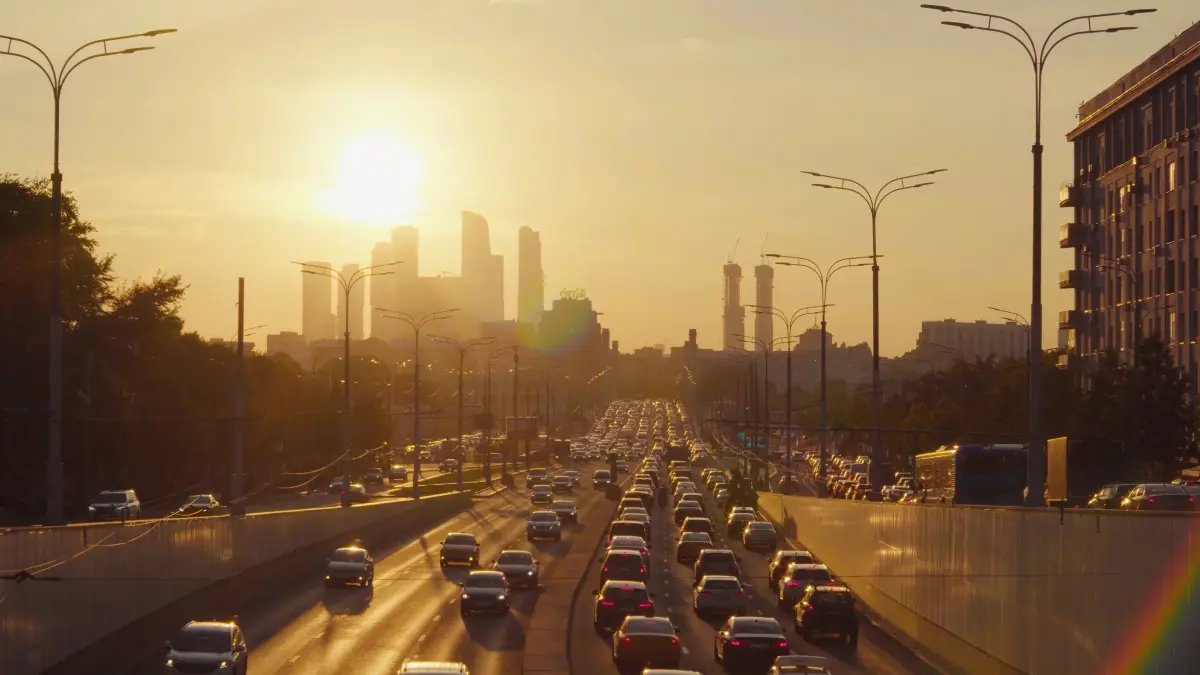
A mild dip in early morning temperatures across Delhi this week has offered temporary relief, but forecasts of daytime highs crossing 30°C underscore a familiar urban challenge—managing rising heat in a rapidly expanding city. The shift, though seasonal, highlights deeper concerns around climate resilience, energy demand, and liveability in dense metropolitan environments. Data from weather stations across the capital showed minor variations in minimum temperatures, with most locations hovering slightly above or below seasonal averages. While such fluctuations are typical during seasonal transitions, urban planners say they are becoming increasingly erratic due to changing climatic patterns and the growing urban heat island effect.
The Delhi weather patterns observed this week reflect a broader trend seen in large cities where built-up surfaces such as asphalt roads, concrete structures, and limited green cover trap heat. As daytime temperatures climb beyond 30°C, the demand for cooling—particularly electricity for air conditioning—tends to spike, placing additional pressure on urban infrastructure. Experts note that even moderate temperature increases can have cascading impacts. Higher heat levels contribute to increased air pollution formation, especially ground-level ozone, while also exacerbating health risks for vulnerable populations such as outdoor workers, the elderly, and those living in informal settlements. A senior urban climate researcher indicated that short-term weather comfort often masks long-term exposure risks linked to sustained warming trends. Air quality during the same period remained in the “moderate” category, suggesting a complex interplay between temperature, wind patterns, and pollutant dispersion. While not immediately hazardous, such conditions can deteriorate quickly if heat intensifies and atmospheric circulation weakens.
This reinforces the need for integrated climate and air quality management strategies. Urban development decisions are increasingly being evaluated through a climate lens. Infrastructure choices—ranging from road materials to building design—play a critical role in shaping microclimates. Reflective surfaces, increased tree cover, and water-sensitive urban design are being explored as tools to counter rising temperatures. At the same time, investments in public transport and compact urban planning can reduce vehicular emissions, indirectly mitigating heat accumulation. The Delhi weather patterns also carry implications for real estate and construction sectors. Developers are under growing pressure to incorporate passive cooling techniques, energy-efficient materials, and green certifications into projects. These measures not only reduce environmental impact but also improve long-term asset value in a warming climate.
As the city transitions into warmer months, the focus is likely to shift towards preparedness—ensuring reliable power supply, safeguarding public health, and maintaining urban services. For policymakers and planners, the recurring cycle of fluctuating temperatures serves as a reminder that climate-responsive urban design is no longer optional but central to sustaining growth and quality of life in India’s capital.