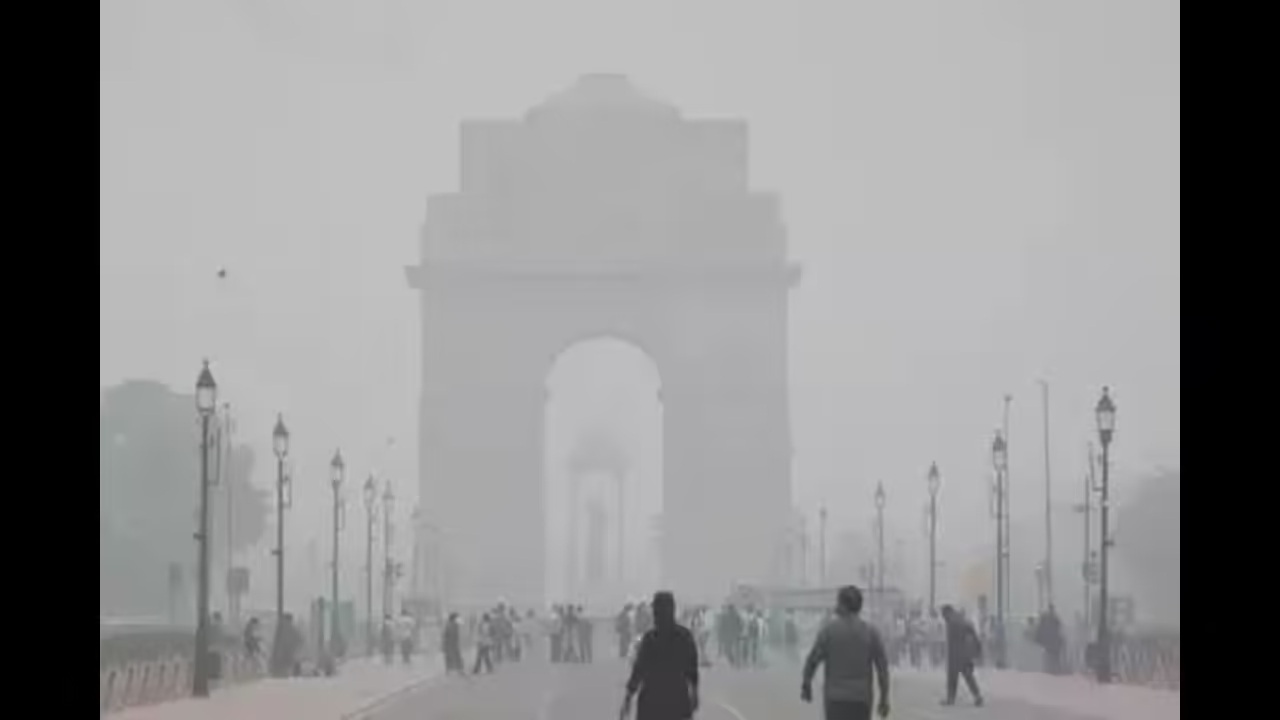
A short spell of rain and gusty winds is set to interrupt rising temperatures in Delhi, with the India Meteorological Department issuing a Delhi weather alert for midweek conditions. The development offers temporary relief from early summer heat but also underscores the growing volatility of urban weather patterns and their implications for infrastructure and daily life. Meteorological officials indicate that the current shift is being driven by a western disturbance, a seasonal system that periodically brings rainfall to northern India. Over the next few days, light to moderate showers are expected alongside thunderstorms and wind speeds that could disrupt routine mobility, particularly during peak evening hours.
The Delhi weather alert suggests a gradual decline in daytime temperatures, with highs expected to fall from the low 30s Celsius to the upper 20s. Night temperatures are also projected to ease, creating a brief cooling window before the onset of sustained summer conditions. While such transitions are typical for this time of year, their intensity and frequency have shown increasing variability in recent seasons. Urban planners and climate experts point out that even moderate weather events can expose vulnerabilities in dense cities. Short bursts of rain often lead to waterlogging in low-lying areas, affecting road networks, public transport reliability, and pedestrian safety. Gusty winds, meanwhile, can disrupt informal infrastructure and pose risks in construction zones—an important consideration in a rapidly expanding urban landscape. From an environmental standpoint, the rainfall is expected to temporarily improve air quality by dispersing particulate matter, a recurring concern in Delhi. However, experts caution that such episodic improvements do not address underlying pollution sources, reinforcing the need for long-term emissions management strategies.
The Delhi weather alert also has implications for urban services and economic activity. Logistics operations, aviation schedules, and outdoor labour sectors are particularly sensitive to sudden weather changes. For the real estate and construction industry, intermittent rainfall can slow project timelines, especially in early-stage site work and material handling. At the same time, the shift highlights the importance of climate-responsive urban design. Cities that integrate permeable surfaces, efficient drainage systems, and shaded public spaces are better equipped to handle such fluctuations. Investments in resilient infrastructure can reduce the impact of short-term weather disruptions while improving overall urban liveability. Authorities have advised residents to remain cautious during periods of lightning and strong winds, particularly in open areas or while commuting. Securing loose objects and planning travel with weather updates in mind are among the recommended precautions.
As the Delhi weather alert remains in place through the week, the episode serves as a reminder of the need for adaptive urban systems that can respond to both heat stress and sudden rainfall events. With climate variability becoming a defining feature of city life, the focus is increasingly shifting towards preparedness and resilience rather than reactive measures.