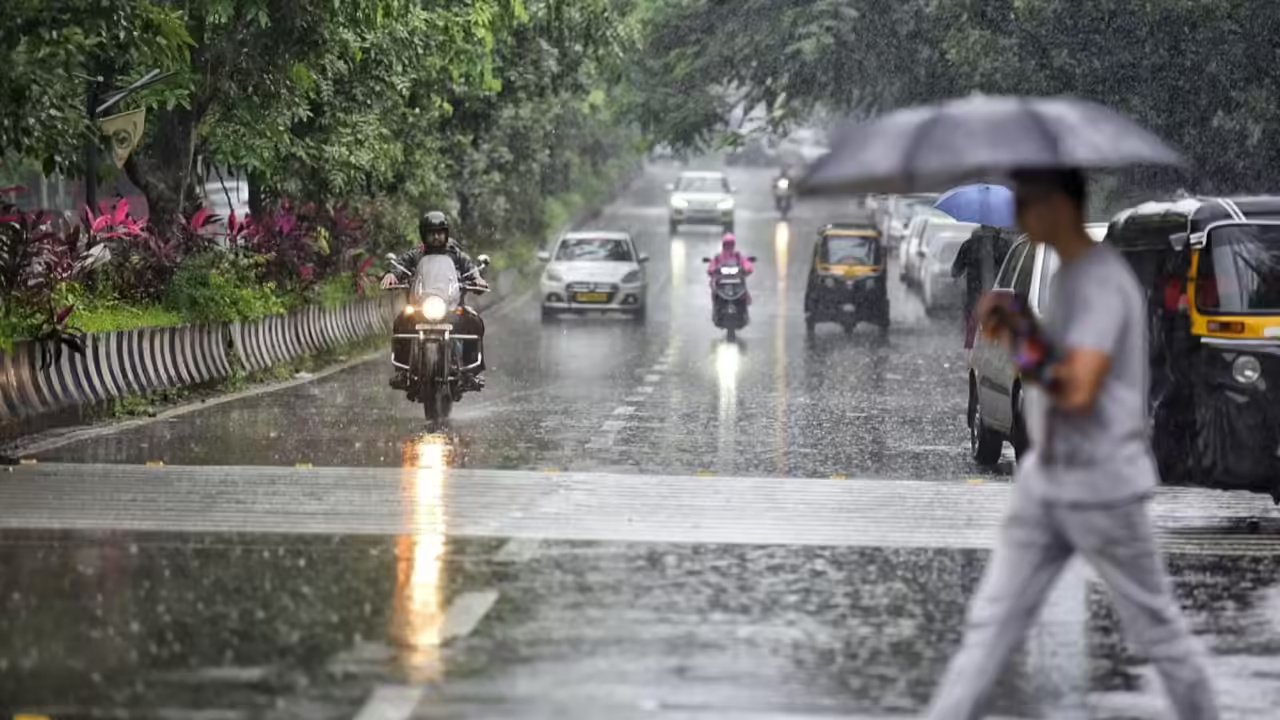
A fresh spell of rain, thunderstorms and gusty winds forecast for Delhi on March 26 has prompted renewed focus on how short-duration weather events are increasingly testing the capital’s urban infrastructure. The advisory, issued by the national weather agency, signals moderate atmospheric instability with wind speeds expected to intensify through the evening, raising concerns for mobility, public safety and essential services. The day began with relatively mild temperatures, with early morning conditions offering some relief from recent heat. However, changing cloud patterns are expected to lead to light rainfall accompanied by lightning and wind gusts that could reach up to 40 kmph later in the day. Such conditions, while not uncommon during seasonal transitions, are becoming more unpredictable in timing and intensity.
Urban planners say the growing frequency of such events highlights the importance of strengthening Delhi weather alert systems and integrating them with real-time civic responses. Short bursts of rain, especially when combined with strong winds, often disrupt traffic flow, increase the risk of tree falls, and expose vulnerabilities in drainage infrastructure. Even light precipitation can lead to waterlogging in low-lying areas if stormwater systems are not adequately maintained. Transport networks remain particularly sensitive. Sudden weather shifts during peak hours can slow down commute times, affect public transport reliability and raise safety risks for pedestrians and cyclists. Officials typically deploy contingency measures such as traffic diversions and emergency response teams during such alerts, but experts argue that long-term resilience requires systemic upgrades rather than reactive measures. From a climate perspective, the evolving pattern of frequent Delhi weather alert events reflects broader shifts in regional weather behaviour.
Atmospheric disturbances interacting with rising baseline temperatures are leading to more volatile conditions, where heat, wind and rain cycles occur in quick succession. This has implications not only for infrastructure planning but also for public health, as rapid weather changes can exacerbate respiratory and heat-related illnesses. Built environment specialists point to the need for climate-responsive design in both public and private developments. Features such as improved stormwater drainage, permeable surfaces, and wind-resistant urban landscaping can reduce the impact of such events. Additionally, integrating weather data into city management platforms can enable faster, more coordinated responses across agencies. The current forecast also underscores the importance of early warning communication. Clear, accessible alerts allow residents and businesses to plan their day, minimise disruptions and ensure safety during adverse conditions. As cities grow denser, the margin for error in handling even minor weather disturbances becomes smaller.
Looking ahead, Delhi’s approach to managing these recurring weather fluctuations will depend on how effectively it combines forecasting, infrastructure readiness and citizen awareness. While the immediate impact of the latest alert may be limited, it serves as another reminder that climate variability is no longer an occasional disruption but an ongoing urban challenge requiring sustained attention.