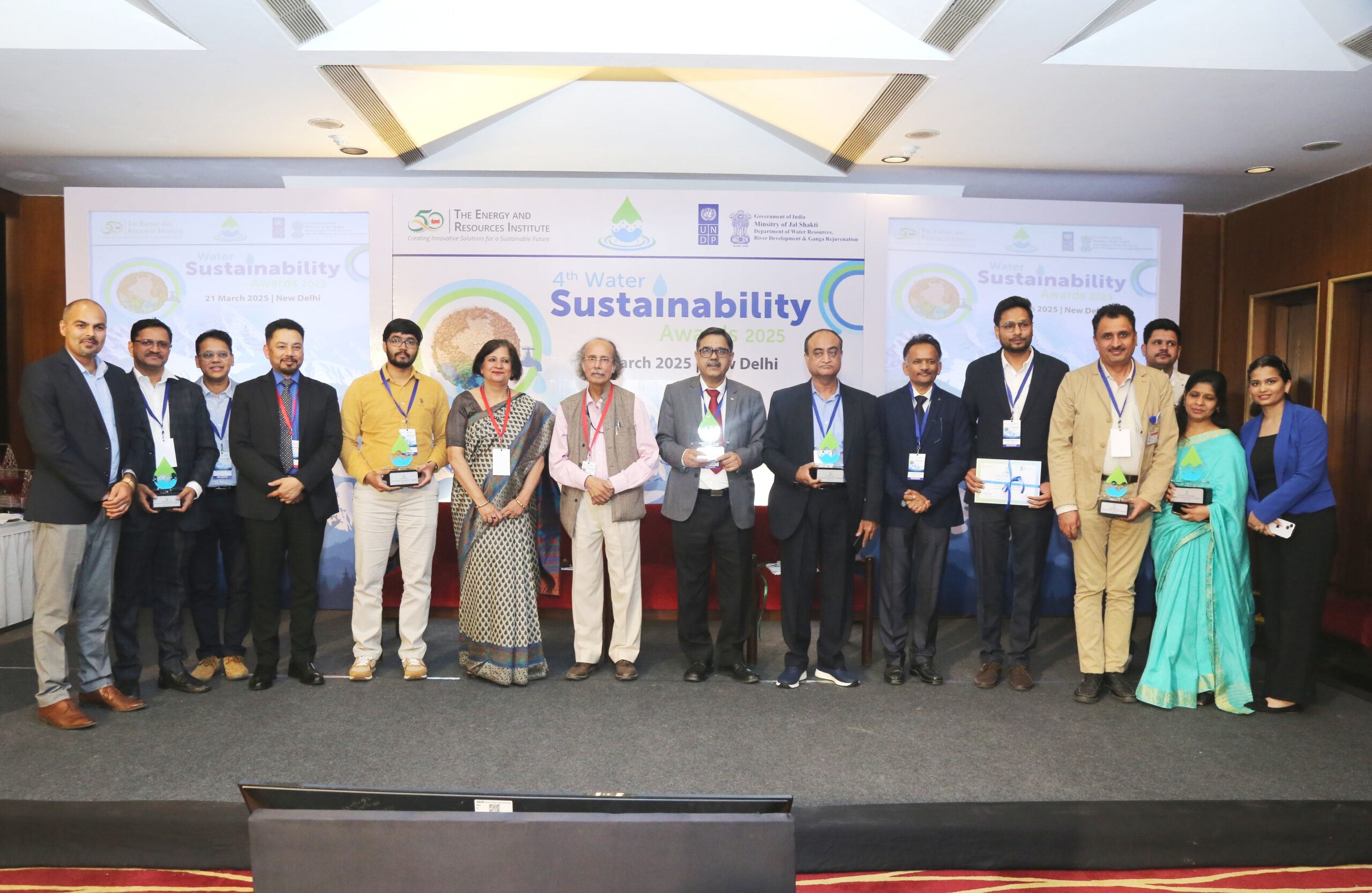
Delhi Water Sustainability Awards Focus On Execution
New Delhi has emerged as a focal point for advancing execution-led urban water management, with the launch of a national platform aimed at recognizing measurable outcomes in the sector. The initiative signals a shift in how cities, utilities and industry stakeholders are evaluated—not on policy intent, but on delivery and impact—at a time when water stress and climate volatility are intensifying across urban India. The newly introduced water sustainability awards bring together municipal authorities, infrastructure providers, technology firms and civil society groups under a shared framework that prioritizes scalability, efficiency and real-world performance.
Urban planners and sector experts view such platforms as increasingly relevant, as Indian cities grapple with ageing infrastructure, rising demand and uneven service delivery. At the core of the initiative is a recalibration of governance benchmarks. Instead of highlighting announcements or pilot projects, the evaluation framework emphasizes operational efficiency, resource recovery, and the ability to replicate solutions across geographies. Industry observers note that this aligns with the growing demand for accountability in public utilities, particularly in water supply and wastewater treatment systems. Municipal bodies from across the country were among those recognized for improvements in service delivery, digital monitoring and infrastructure upgrades. This reflects a broader trend of local governments adopting data-driven approaches to manage water networks, reduce leakages and improve billing efficiency. In parallel, state-level utilities are increasingly investing in decentralized treatment systems and reuse technologies to address supply gaps and environmental pressures.
Private sector participation also stood out, particularly in areas such as energy-efficient pumping, sludge management and wastewater recycling. Experts suggest that such collaborations are critical for bridging financing and technology gaps, especially as cities transition towards circular water economies. Start-ups working on advanced treatment solutions and monitoring systems were also acknowledged, underscoring the role of innovation in reshaping urban water ecosystems. From a sustainability perspective, the emphasis on outcomes over intent is significant. Water management is closely linked to urban resilience, public health and climate adaptation. Efficient systems not only reduce resource wastage but also lower energy consumption and emissions associated with water treatment and distribution. This aligns with the broader push towards low-carbon infrastructure and environmentally responsible urban expansion. Policy analysts highlight that recognition platforms can influence investment flows by identifying scalable models and de-risking innovation. By creating visibility for high-performing projects, such initiatives may encourage replication in other cities facing similar challenges.
As Indian cities continue to expand, the pressure on water systems is expected to intensify. Platforms that prioritise measurable impact could play a role in accelerating reforms, improving governance standards and fostering cross-sector collaboration. The long-term effectiveness, however, will depend on whether recognition translates into sustained funding, institutional capacity and on-ground implementation.