Delhi Water Supply Disruption Across Several Districts
Several neighbourhoods across northern parts of the national capital are likely to experience temporary interruptions in piped water availability as authorities undertake routine maintenance of key storage and pumping infrastructure. The planned exercise, which involves cleaning underground reservoirs and servicing booster pumping stations, may cause short-term Delhi water supply disruption in multiple localities on Tuesday. Officials from the city’s water utility confirmed that the maintenance programme is part of an annual operational process designed to ensure the safety and efficiency of urban water infrastructure. During the procedure, reservoirs are drained and flushed to remove sediment deposits, microbial buildup and other impurities that accumulate over time in large storage systems.
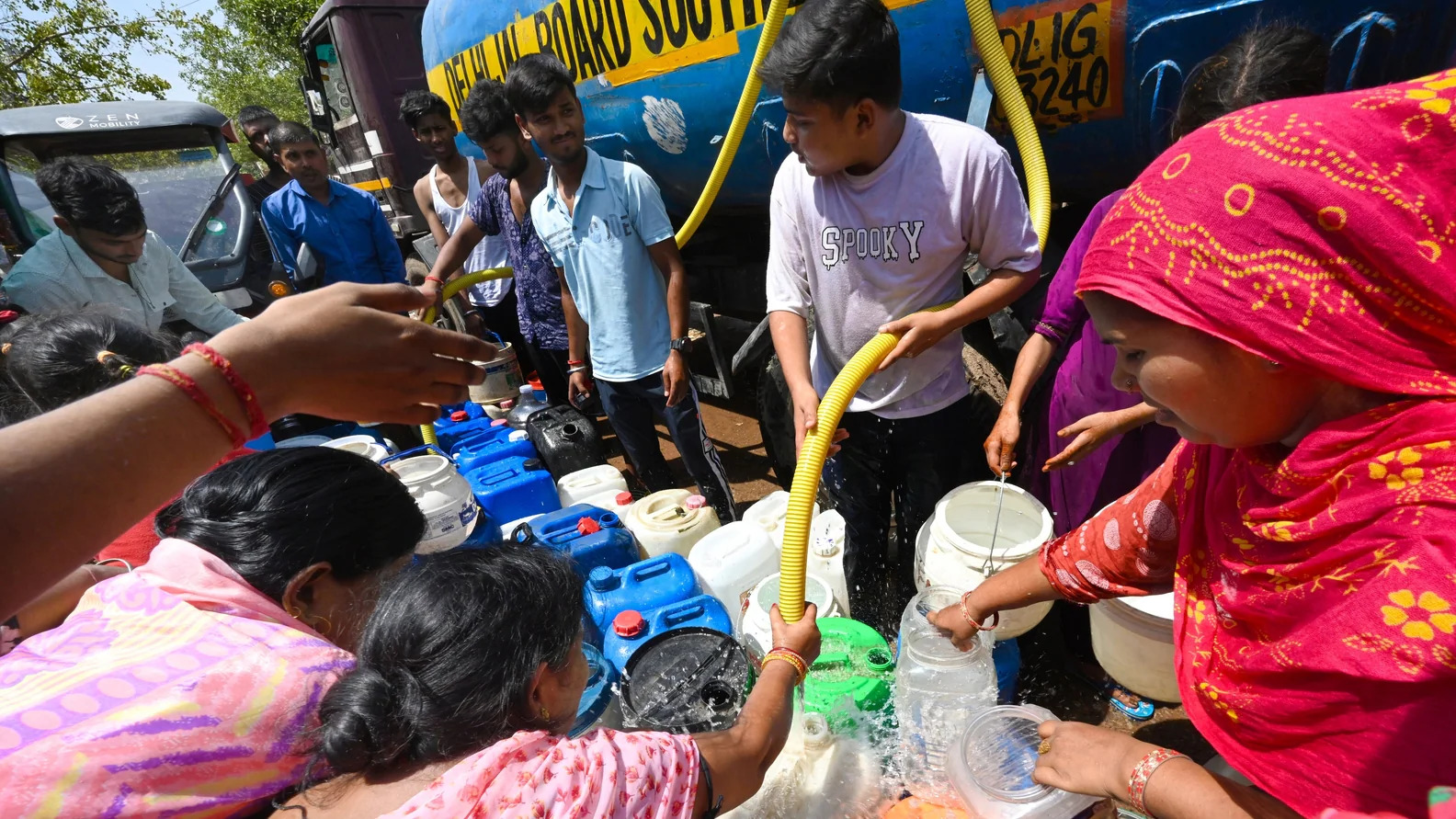
While such operations are necessary to maintain drinking water quality, they require temporary suspension of pumping activity, which can affect supply in surrounding distribution zones. Areas located in the north-west and north-east parts of the capital are expected to see the most noticeable Delhi water supply disruption, according to officials involved in the process. To manage the impact, authorities have deployed emergency water tankers at several operational centres across the city. Residents facing shortages can request tanker deliveries through local control rooms or by contacting the utility’s central helpline, which coordinates supply requests and field operations. Urban water specialists say periodic maintenance of underground reservoirs is critical in large cities where ageing infrastructure and high population density place constant pressure on supply systems. Reservoir flushing not only helps maintain water quality but also improves the efficiency of pumping equipment and distribution networks.
Delhi’s water system relies on a complex network of treatment plants, pipelines, reservoirs and booster stations that transport treated water from river sources and regional supply canals to residential and commercial districts. Over time, sediment accumulation and mineral deposits can reduce storage capacity and hinder flow within these facilities, making regular maintenance necessary. Experts note that such maintenance exercises highlight the broader challenge of managing water infrastructure in rapidly growing cities. With demand for potable water rising steadily due to urban expansion, utilities must balance uninterrupted supply with preventive maintenance that keeps systems safe and reliable. Urban planners also point out that water distribution networks are increasingly being viewed as critical climate infrastructure. As extreme weather events and heatwaves place additional strain on urban water resources, resilient systems require not only new investments but also improved maintenance practices. In the long term, strengthening water management in large metropolitan regions may involve expanding storage capacity, upgrading pipeline networks and adopting smart monitoring technologies that detect system inefficiencies before they escalate into disruptions.
For residents affected by the short-term Delhi water supply disruption, tanker services and local coordination centres are expected to provide interim support until normal pumping operations resume following completion of the reservoir maintenance programme.
Delhi Water Supply Disruption Across Several Districts