Parts of north-east and east Delhi are set to experience a temporary interruption in piped water supply on Wednesday as the city’s water utility undertakes scheduled maintenance at a key treatment facility. The planned shutdown, linked to repairs at the Sonia Vihar Water Treatment Plant, highlights the fragile balance between maintaining ageing urban infrastructure and ensuring uninterrupted access to essential civic services in one of India’s most densely populated cities.
Officials involved in the operation indicated that critical pump systems supplying water to downstream distribution mains require urgent servicing. The maintenance window, expected to last several hours, will affect neighbourhoods dependent on this supply line during evening peak demand, when household consumption typically rises. While the disruption is temporary, it underscores the operational challenges of managing large-scale water systems under continuous pressure.
Urban water experts note that the Sonia Vihar plant plays a strategic role in Delhi’s water network, particularly for residential clusters along the city’s eastern edge. Many of these areas have limited redundancy in supply, making them more vulnerable to short-term shutdowns. As a result, even routine maintenance can translate into noticeable inconvenience for households, schools, and small businesses.
The Delhi water supply disruption also carries broader implications for urban resilience. As climate variability increases stress on water sources and distribution infrastructure, utilities are being pushed to balance preventive maintenance with service continuity. Planned shutdowns, while disruptive, are increasingly seen as preferable to emergency failures that can cause prolonged outages and higher repair costs. From a social equity perspective, water interruptions tend to affect low- and middle-income households more acutely. These communities often lack storage capacity or alternative water access, making advance communication and emergency support critical. Urban planners argue that investment in decentralised storage, smarter pumping systems, and network segmentation could reduce the scale of future disruptions.
Real estate and housing experts add that reliable water infrastructure is a key determinant of neighbourhood liveability and property value. Repeated supply interruptions can influence residential demand patterns, particularly in emerging localities where civic services are still stabilising. Developers and resident welfare associations are increasingly engaging with utilities to seek clearer maintenance schedules and contingency planning. The utility has advised residents to plan ahead and use stored water judiciously during the shutdown period.
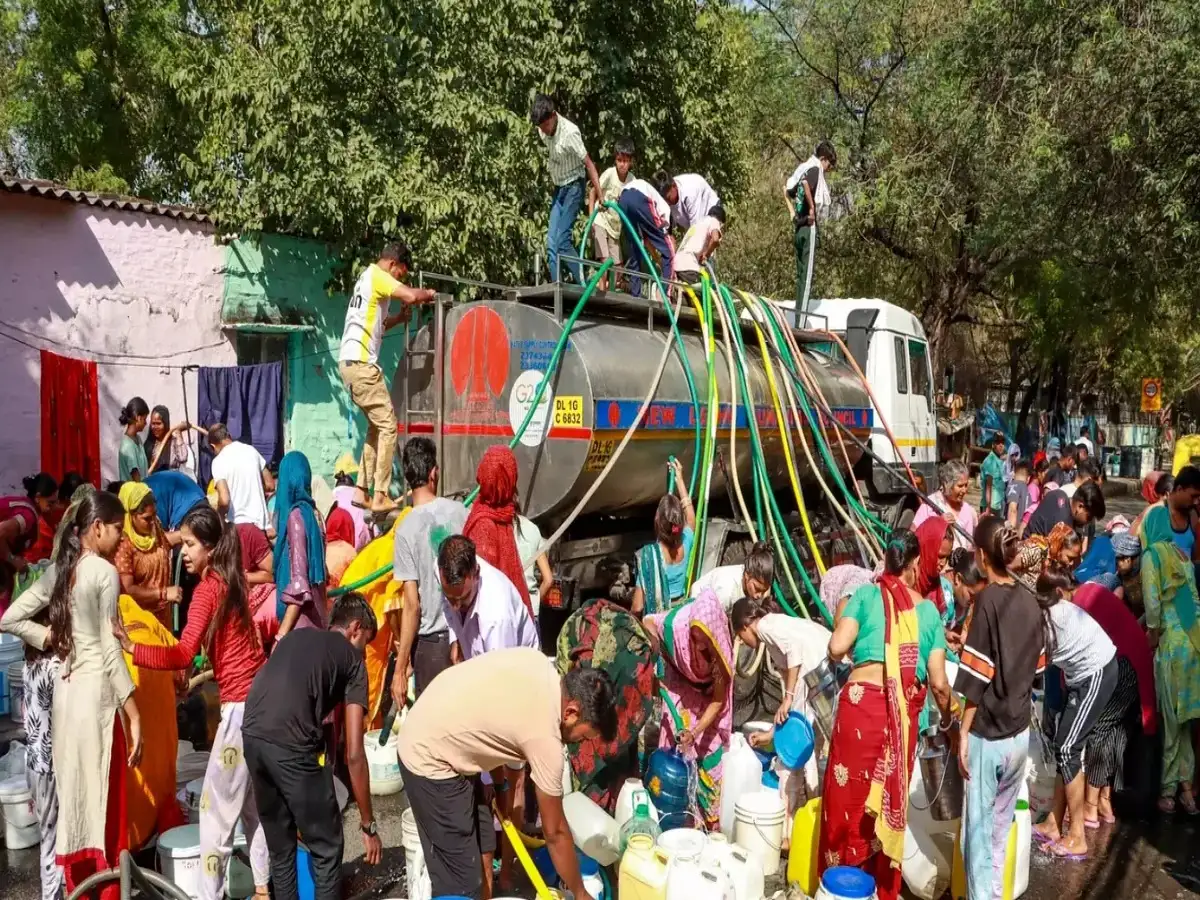
Tanker services are expected to be deployed on request in areas facing acute shortages, according to officials familiar with emergency response protocols.
Looking ahead, infrastructure specialists emphasise that transparent maintenance planning and timely upgrades are essential for Delhi’s long-term water security. As the city continues to grow, strengthening treatment plants, modernising pump systems, and building redundancy into distribution networks will be critical to ensuring that routine repairs do not translate into repeated civic disruption.
Delhi Water Network Faces Planned Maintenance Disruption