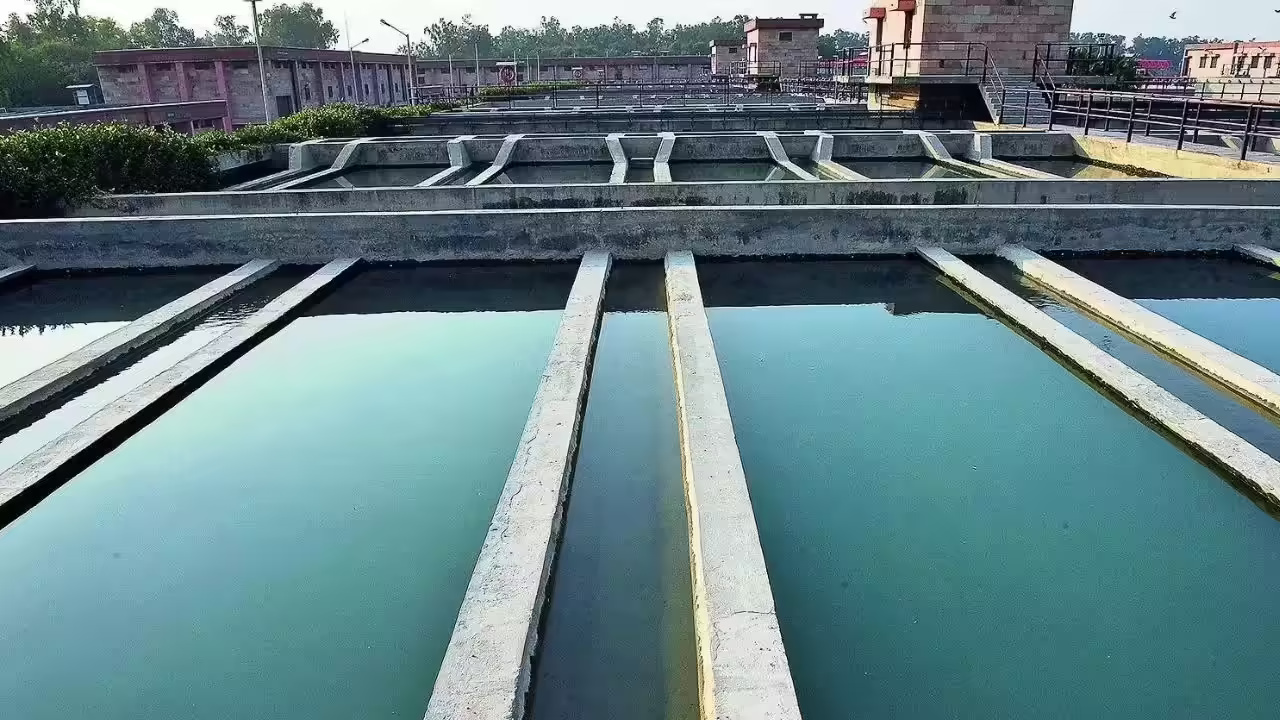
Delhi Water Management Overhaul Reshapes Urban Supply
Delhi is preparing a comprehensive revamp of its water distribution network, with a renewed focus on reducing system losses and improving service delivery across the capital. The proposed Delhi water management overhaul centers on addressing non-revenue water—treated supply that fails to reach consumers due to leakages, theft, or inefficiencies—one of the most persistent challenges facing urban utilities in India. The city’s water utility is initiating a zone-based assessment of infrastructure conditions, dividing the capital into six major service areas for detailed evaluation. Officials familiar with the plan indicate that this exercise will inform a long-term master blueprint aimed at modernizing pipelines, improving metering systems and strengthening operational monitoring.
At present, nearly half of the treated water produced in Delhi does not generate revenue, pointing to both physical and administrative inefficiencies. Reducing these losses to around 15 per cent is seen as a critical step toward financial sustainability and equitable distribution. Urban infrastructure experts note that lowering non-revenue water can significantly increase effective supply without the need for large-scale new water sourcing projects. The Delhi water management overhaul also comes at a time when the city faces a structural supply-demand imbalance. Current production levels fall short of estimated daily requirements, leaving a gap that is often bridged through groundwater extraction and tanker services. Such dependence raises concerns about long-term resource sustainability, particularly in a climate-stressed region with fluctuating rainfall patterns. By focusing on network efficiency, planners aim to unlock hidden capacity within the existing system. Leak detection technologies, pressure management, and digitised billing systems are expected to play a key role in this transition.
Industry observers highlight that cities globally have achieved significant gains through such measures, often recovering substantial volumes of water that were previously lost within distribution networks. The initiative also carries implications for urban equity. Inconsistent supply disproportionately affects peripheral and informal settlements, where residents typically receive water for limited hours or rely on alternative sources. A more efficient distribution system could help ensure more predictable access, aligning with broader goals of inclusive urban development. Environmental considerations are equally central. Reducing losses lowers the energy footprint associated with water treatment and pumping, contributing to more resource-efficient urban systems. It also reduces pressure on freshwater sources, an important factor as cities seek to align infrastructure planning with climate resilience goals.
As the study progresses, its findings are expected to shape future investments and policy decisions. The effectiveness of the Delhi water management overhaul will depend on sustained execution, institutional coordination and the integration of technology into everyday operations. For a city grappling with both scarcity and inefficiency, the initiative represents a critical step towards building a more reliable and sustainable urban water system.