Delhi Water Infrastructure Upgrade Targets Yamuna Cleanup
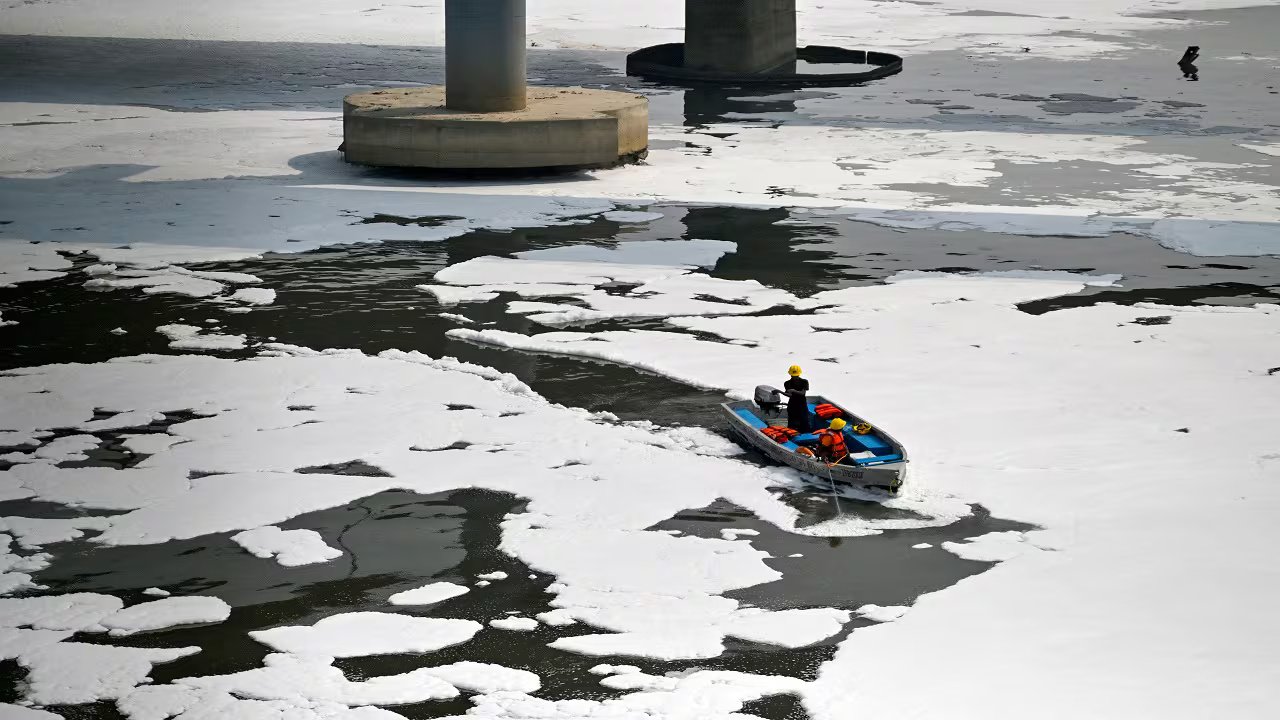
Delhi has outlined a large-scale overhaul of its water and wastewater systems, committing nearly ₹9,000 crore to upgrade ageing infrastructure and reduce pollution flowing into the Yamuna. The initiative signals a shift towards integrated urban water management, with a focus on improving service reliability while addressing long-standing environmental concerns in the national capital. At the core of the Delhi water infrastructure upgrade is a significant expansion of sewage treatment capacity. Officials indicate that treatment levels have already increased in recent years, supported by new sewer networks and rehabilitation of older pipelines. The next phase aims to nearly double capacity over time, backed by a decentralized approach that places treatment facilities closer to pollution sources, particularly along major drains discharging into the river.
Urban planners say decentralized sewage treatment plants can play a critical role in reducing untreated discharge, a key contributor to river pollution. By intercepting wastewater at multiple points, the system reduces dependence on large, centralized plants and limits the risk of overflow during peak loads or heavy rainfall. This approach also aligns with climate-resilient infrastructure strategies, which prioritize flexibility and redundancy in essential services. Complementing wastewater reforms, the Delhi water infrastructure upgrade includes expansion of potable water supply systems. New underground reservoirs and treatment facilities are being developed across peripheral and underserved areas, alongside extensions to transmission and distribution networks. These measures are expected to incrementally increase supply capacity, while addressing spatial imbalances in access across the city. A parallel focus is on reducing non-revenue water—treated water lost due to leakages, theft or metering inefficiencies—which currently accounts for a significant share of supply losses.
Bringing these levels down is seen as critical not only for improving financial sustainability of utilities but also for conserving scarce water resources in a city facing rising demand. The programme also ties into broader drainage reforms. With much of Delhi’s stormwater infrastructure dating back several decades, waterlogging and urban flooding have become recurring challenges. A new drainage master plan seeks to modernise key channels and trunk drains, integrating them with sewer systems to improve overall network efficiency and resilience against extreme weather events. Industry experts note that the success of such investments will depend on execution capacity and long-term maintenance frameworks. While capital expenditure addresses infrastructure gaps, operational efficiency and governance reforms will determine whether service delivery improves at scale.
As Delhi pursues this transformation, the emphasis on linking water supply, wastewater treatment and river restoration reflects a more holistic urban strategy. If implemented effectively, the Delhi water infrastructure upgrade could not only improve daily living conditions but also contribute to restoring ecological balance in one of India’s most stressed urban river systems.