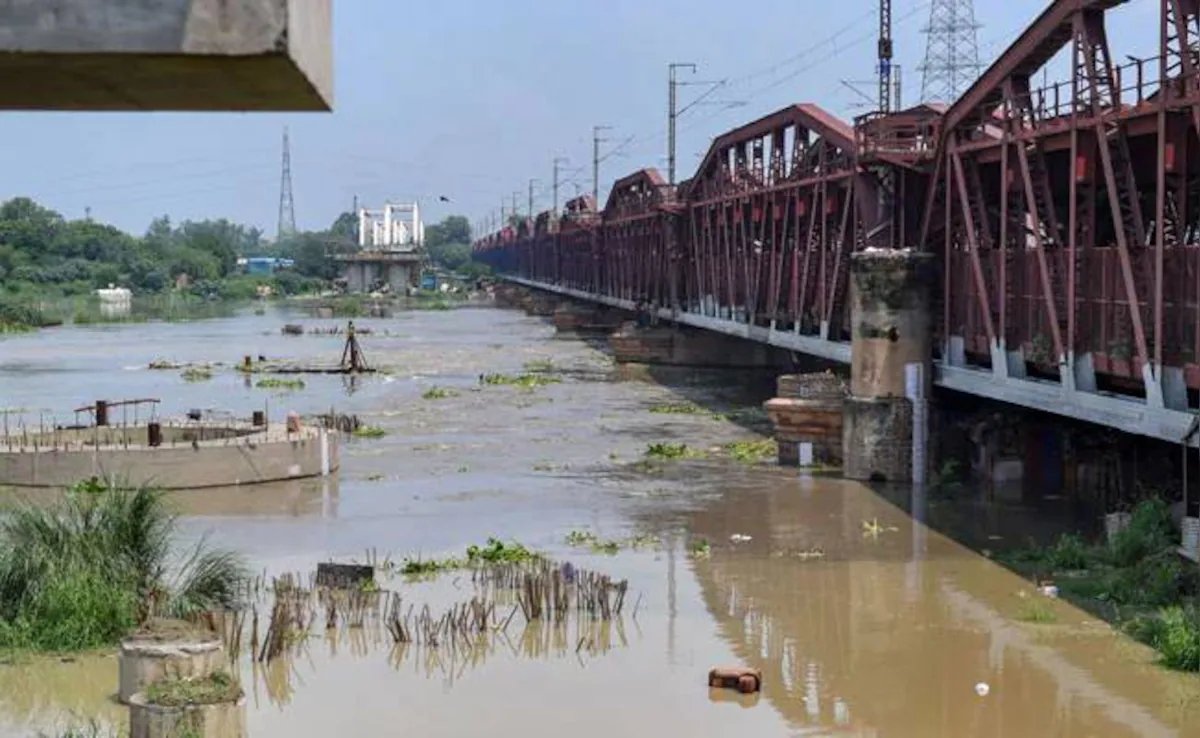
Delhi Water Infrastructure Plan Targets Yamuna Cleanup
Delhi has outlined a major capital investment in water and sewerage systems as part of its 2026–27 fiscal strategy, signalling a renewed push to address long-standing challenges linked to river pollution, urban flooding and service gaps. The move is expected to play a critical role in improving environmental conditions and public health in the national capital. The expanded funding under the Delhi water infrastructure plan is aimed at significantly increasing sewage treatment capacity, a key factor in reducing untreated wastewater discharge into the Yamuna. Urban experts highlight that inadequate treatment has historically been one of the primary contributors to river pollution, with large volumes of sewage entering the waterway due to capacity shortfalls and ageing infrastructure.
To address this, the city is planning a substantial scale-up in treatment capabilities, alongside the development of decentralised systems. The introduction of multiple decentralized sewage treatment plants is expected to bring processing closer to the source of waste generation, reducing pressure on centralized facilities and improving overall system efficiency. Such distributed models are increasingly seen as essential in dense urban environments where land availability and network complexity limit large-scale expansion. The Delhi water infrastructure plan also focuses on upgrading and expanding sewer networks across the city. Replacement of ageing pipelines and extension of coverage to underserved areas are expected to reduce leakages, prevent contamination and improve service reliability. Planners note that strengthening underground networks is fundamental to ensuring that increased treatment capacity translates into actual environmental gains. In parallel, investments are being directed towards mitigating urban flooding and waterlogging, issues that intensify during monsoon periods. Improved drainage systems and integrated water management strategies are expected to enhance the city’s climate resilience, particularly as extreme weather events become more frequent.
From a broader urban development perspective, the initiative reflects a shift towards integrated water governance. Clean rivers, efficient sewerage systems and reliable water supply are increasingly linked to economic productivity, real estate value and overall liveability. Areas with improved infrastructure often see higher investment interest, particularly in residential and commercial segments. Environmental analysts emphasize that restoring the Yamuna is not only an ecological priority but also a socio-economic one. A cleaner river can support recreational spaces, improve public health outcomes and contribute to a more sustainable urban ecosystem. However, they caution that infrastructure investments must be complemented by strict regulation of industrial discharge, improved waste management and behavioural changes at the community level.
As Delhi advances this large-scale infrastructure upgrade, the focus will remain on timely execution and coordination across multiple agencies. The success of the initiative will ultimately depend on how effectively these investments translate into measurable improvements in water quality, reduced flooding and equitable access to essential services for the city’s residents.