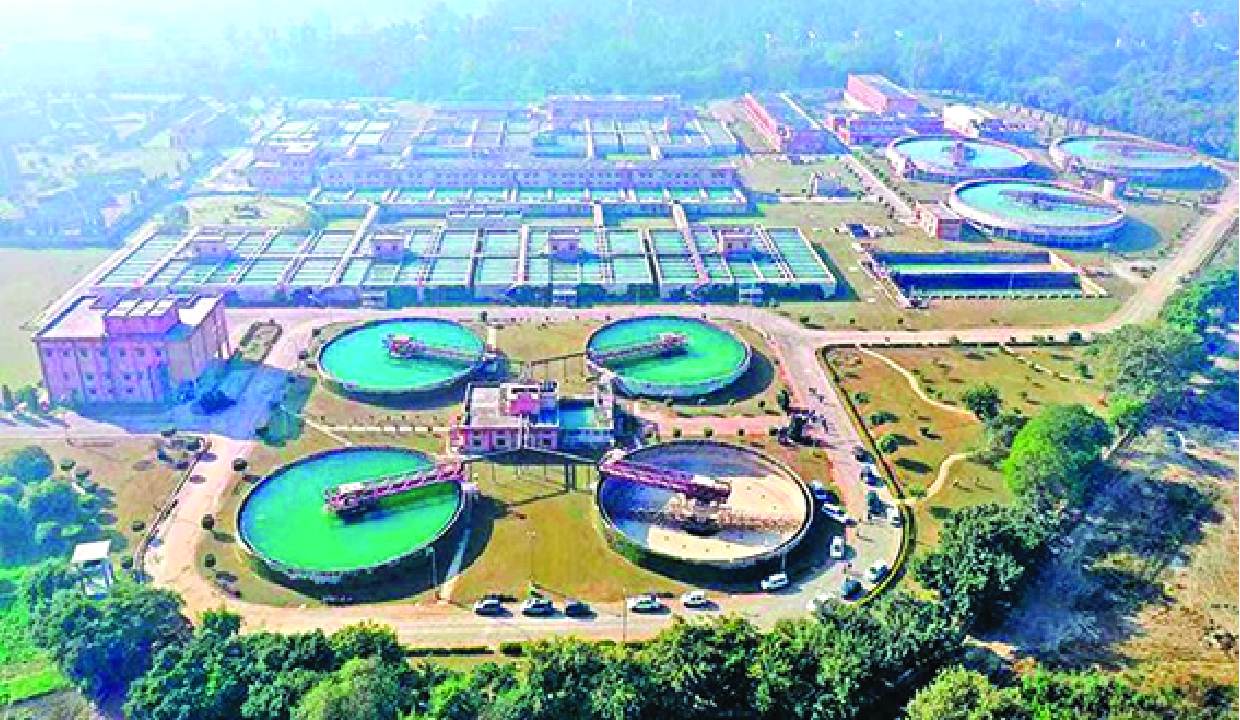
Delhi’s long-delayed upgrade to its core water infrastructure is nearing a decisive milestone, with a new high-capacity treatment facility at Chandrawal expected to begin operations later this year. The project, located in central Delhi, is designed to stabilise water supply in some of the city’s oldest and most densely populated neighbourhoods, addressing persistent shortages that intensify during peak summer months.
Once operational, the Chandrawal water treatment plant will process over 100 million gallons of water daily, extending improved supply coverage across large parts of central, west and north Delhi. Urban water planners say the facility is expected to directly serve more than a tenth of the city’s population, strengthening resilience in areas where ageing pipelines and high leakage rates have historically undermined supply reliability. The project’s prolonged gestation reflects broader challenges in metropolitan infrastructure delivery. Approved more than a decade ago, construction timelines were repeatedly pushed due to procurement hurdles, financing gaps and unresolved technical issues. Recent administrative intervention and additional budgetary allocation have helped stabilise execution, allowing the project to move closer to commissioning.
Beyond additional treatment capacity, the Chandrawal upgrade is tied to a parallel overhaul of Delhi’s distribution network. Large-scale pipeline replacement and network strengthening works are underway across multiple zones fed by the plant. These upgrades focus on reducing non-revenue water losses caused by leaks, unauthorised connections and outdated metering which urban experts estimate to be among the highest for major global cities. Water sector analysts argue that reducing losses is as critical as expanding supply. By improving pressure management, installing modern meters and formalising connections, the Chandrawal network is expected to deliver more usable water without increasing extraction stress on the Yamuna basin. This approach aligns with climate-resilient planning principles, particularly as north India faces rising variability in rainfall and river flows.
The project also carries economic implications. Reliable water supply is a foundational requirement for local commerce, public health infrastructure and residential stability. In older commercial districts and high-density housing clusters, inconsistent supply has long imposed hidden costs on households and small businesses reliant on tanker water and private storage. Looking ahead, urban planners caution that infrastructure alone will not resolve Delhi’s water challenges. Long-term sustainability will depend on coordinated action across demand management, wastewater reuse and river rejuvenation. However, the Chandrawal facility represents a critical step in modernising legacy systems that serve the city’s historic core. As Delhi braces for another summer of rising demand, the commissioning of the Chandrawal plant signals a shift toward strengthening essential services through system-wide upgrades rather than short-term supply fixes a direction increasingly seen as unavoidable for rapidly growing megacities.
Delhi Water Infrastructure Gets Chandrawal Supply Boost