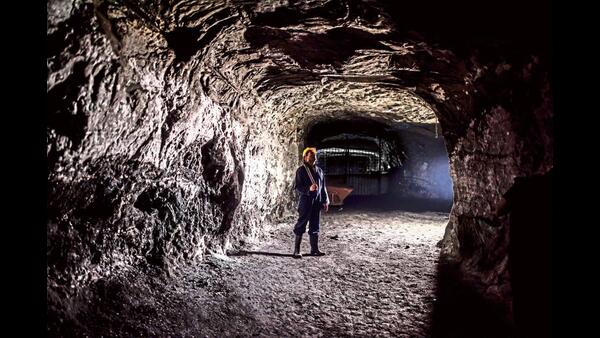
Delhi’s parliamentary panel has recommended simplifying approval processes for underground coal mining projects, citing that current clearances, similar to those for large open-cast mines, create unnecessary delays. With the government targeting 100 million tonnes of coal production from underground mines by 2030, officials argue that streamlined protocols could unlock low-impact mining operations, reduce environmental disruption, and ensure year-round extraction from deep-seated reserves, supporting India’s broader energy and sustainability goals.
Underground coal mining (UG mining) offers significant environmental advantages compared with surface mining. By limiting land disturbance, it preserves forests, agricultural land, and existing infrastructure while reducing reclamation costs and indirect greenhouse gas emissions. A senior official involved in the sector noted that “UG projects are often subject to the same documentation requirements as open-cast mines, which is disproportionate given their lower ecological footprint.”The parliamentary committee emphasised the need for standardised procedures to accelerate underground mining initiatives. Special project categories, including underground coal gasification (UCG) and pilot clean coal technology projects, represent innovative approaches that balance operational efficiency with environmental responsibility. These initiatives could play a key role in India’s energy transition, aligning coal extraction practices with sustainability objectives.
In addition to recommending policy simplification for underground mining, the committee suggested exploring single-window clearance systems and standard operating procedures for open-cast mining. Implementing such measures could streamline approvals, enhance transparency, and reduce bureaucratic delays, attracting private and public investment while maintaining regulatory oversight.The Coal Ministry has previously introduced transformative reforms to tackle challenges such as high capital investment and long gestation periods in underground mining. Officials say these measures reaffirm the government’s commitment to modernising the coal sector while supporting sustainable development. By reducing procedural bottlenecks, underground mining operations could scale efficiently, contributing to energy security and regional economic growth.Industry observers argue that simplified clearances for UG projects could improve India’s coal production trajectory without compromising environmental integrity. A senior urban planning expert highlighted that “structured protocols are crucial to unlocking the full potential of underground coal mining while safeguarding ecological and community interests.”
As India seeks to balance energy demand with climate commitments, the panel’s recommendations signal a shift towards more efficient, environmentally conscious coal extraction. Streamlined approvals could enable faster implementation of underground projects, provide stable employment in mining regions, and minimise ecological impact, positioning underground coal as a sustainable component of the country’s energy mix.