Delhi’s long-delayed effort to modernise its urban water backbone is moving closer to execution, with the city administration indicating that construction activity for the Chandrawal water treatment plant is likely to commence within the year. The facility, planned in north Delhi near the Civil Lines zone, is among the capital’s most significant public utility investments aimed at addressing chronic supply stress in its older and densest neighbourhoods.
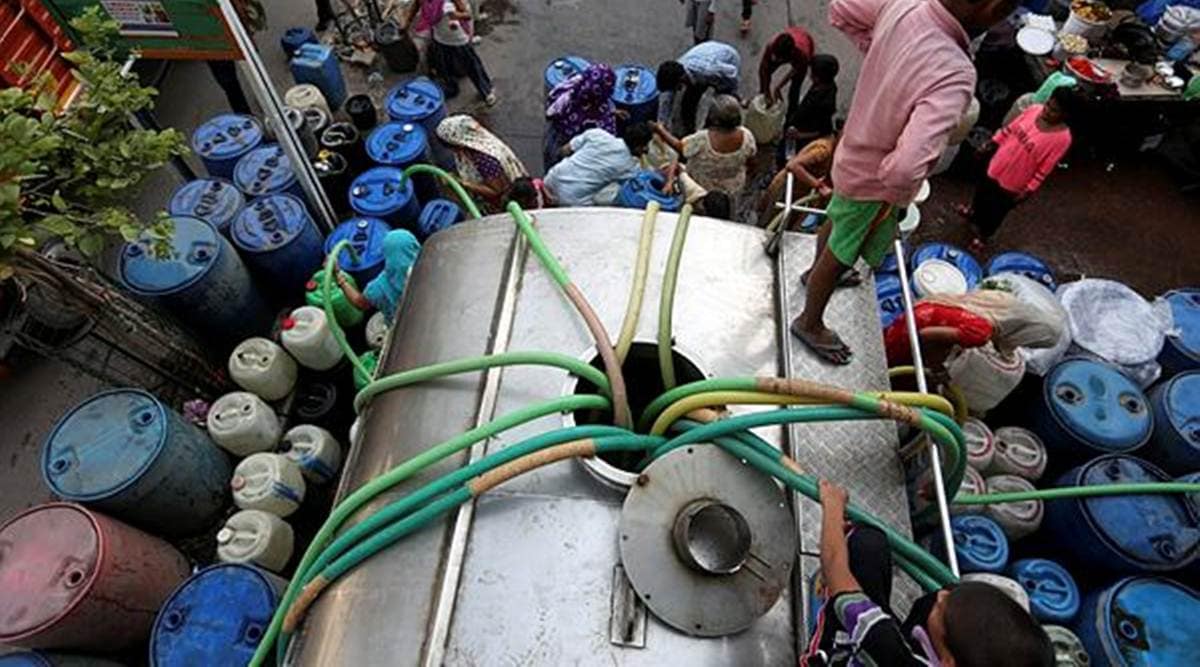
The Chandrawal project forms a central pillar of the city’s evolving Delhi water infrastructure strategy, which seeks to rebalance capacity, distribution efficiency, and service reliability amid rising urban demand. Designed to treat 105 million gallons of water daily, the plant is expected to service nearly 11 per cent of the city’s population across a catchment of roughly 92 square kilometres, according to officials familiar with project planning. Urban planners note that the project’s importance extends beyond additional treatment capacity. Many of the areas expected to benefit including historic commercial districts and high-density residential zones have faced persistent challenges related to low water pressure, intermittent supply, and ageing pipelines. These systemic gaps have had economic implications, increasing dependence on private water tankers and adding to household and small business costs.
First approved more than a decade ago, the project’s timeline was repeatedly disrupted by procurement challenges and compliance issues linked to international funding protocols. These delays contributed to a sharp escalation in costs, highlighting the financial risks of deferred infrastructure delivery in fast-growing cities. Industry experts point out that such delays also erode public trust in large civic projects, particularly when service conditions continue to deteriorate on the ground. Crucially, the water treatment plant is being implemented alongside a citywide pipeline renewal programme valued at over ₹1,300 crore. New distribution networks are planned across nine Assembly constituencies, targeting leakage-prone stretches and contamination risks. Officials involved in implementation say the combined approach reflects a shift from isolated asset creation to integrated system design a key requirement for climate-resilient urban services.
A central performance metric for the Delhi water infrastructure overhaul is the reduction of non-revenue water, currently estimated at 30–45 per cent in parts of the city. The administration has set a three-year target to bring losses below 15 per cent through metering, pressure management, and long-term maintenance contracts. If achieved, this could significantly improve fiscal sustainability while reducing unnecessary extraction from upstream sources. The project also includes upgrades to underground reservoirs, expanded metering coverage, and decentralised grievance redressal mechanisms elements urban governance specialists view as essential for people-first infrastructure. As Delhi faces hotter summers and greater climate volatility, the effectiveness of this integrated water strategy will be closely watched as a benchmark for other Indian cities navigating similar constraints.
Delhi Urban Water Network Set For Expansion