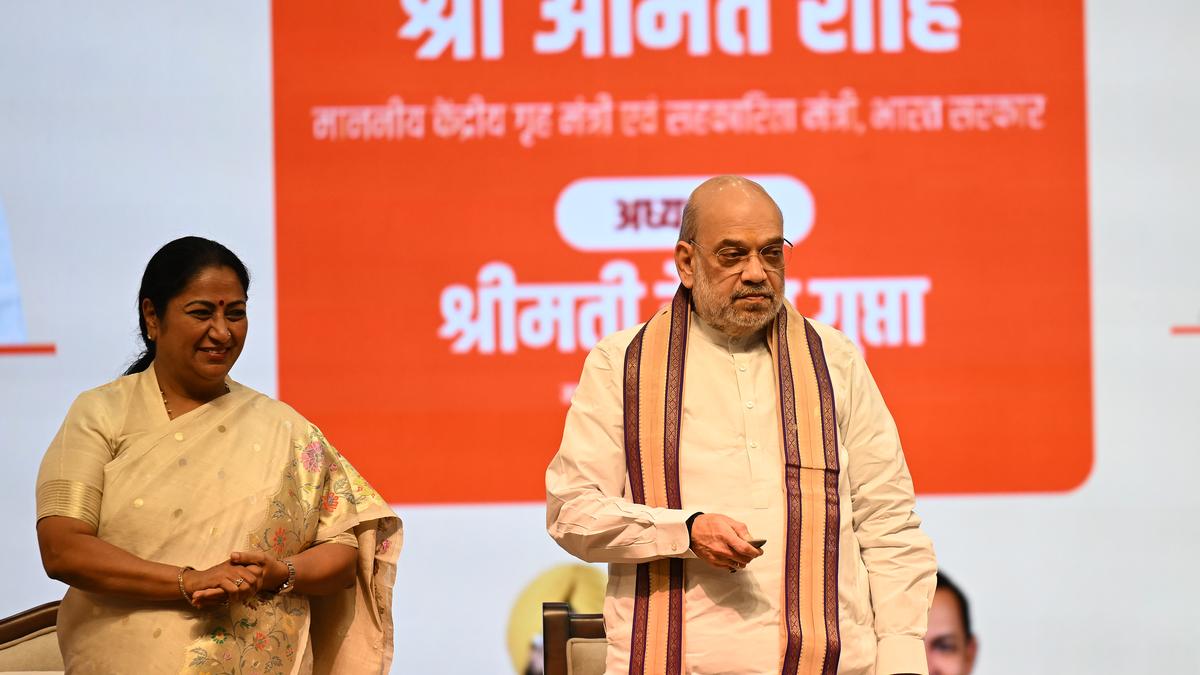
Delhi unveils Rs 1723 crore projects on PM birthday celebration
The national capital announced a fresh wave of infrastructure and sustainability projects worth Rs 1,723 crore, underscoring a decisive shift towards clean energy, waste management and citizen-centric welfare. The unveiling coincided with the Prime Minister’s 75th birthday and was rolled out under the Seva Pakhwada initiative, a fortnight dedicated to service-led governance.
Officials emphasised that the new projects symbolise an alignment between commemorative celebrations and tangible development. Among the flagship announcements was the operationalisation of two waste-to-energy plants at Narela-Bawana and Okhla. Together, the facilities are set to process nearly 5,000 tonnes of municipal waste daily and convert it into electricity, a model that directly addresses Delhi’s long-standing waste management challenge. For a city once synonymous with landfill mounds, this signals a critical shift towards a circular economy.
Alongside the green energy focus, the Delhi government unveiled 17 welfare schemes during the event, touching areas of health, sanitation and financial inclusion. These schemes are part of the broader Seva Pakhwada framework, which has since 2014 promoted service activities ranging from cleanliness drives to public health campaigns. Officials framed this dual focus on social and environmental uplift as central to the vision of an inclusive and sustainable capital.
The political message of the occasion was also hard to miss. Senior union representatives pointed out that despite political differences in governance, Delhi has consistently received central backing for infrastructure and welfare programmes. They criticised past administrations for hesitating to adopt nationwide health insurance programmes such as Ayushman Bharat, which provides financial coverage up to Rs 5 lakh per family.
Beyond the local context, the announcements were woven into a larger narrative of national transformation. Experts highlighted the government’s record in lifting millions out of poverty, lowering indirect tax rates on essential goods, and accelerating India’s economic ascent from the 11th largest economy to the current fourth position. They reiterated that the nation is on course to become the third largest by 2027, with inclusive urbanisation forming a critical pillar of that growth.
Environmentalists and policy observers welcomed the emphasis on turning waste into energy but cautioned that implementation and monitoring will determine the long-term success of these plants. They noted that Delhi’s experience with earlier waste facilities was mixed, and the key lies in ensuring strict compliance with emission standards while maximising energy output.The Seva Pakhwada calendar will continue until early October, with multiple initiatives planned across states. For Delhi, the Rs 1,723 crore investment stands out as both symbolic and practical: symbolic of a service-oriented governance model, and practical in its ambition to reshape the capital into a more equitable, eco-conscious and resilient metropolis.