Delhi University Carbon Gardens Boost Urban Biodiversity
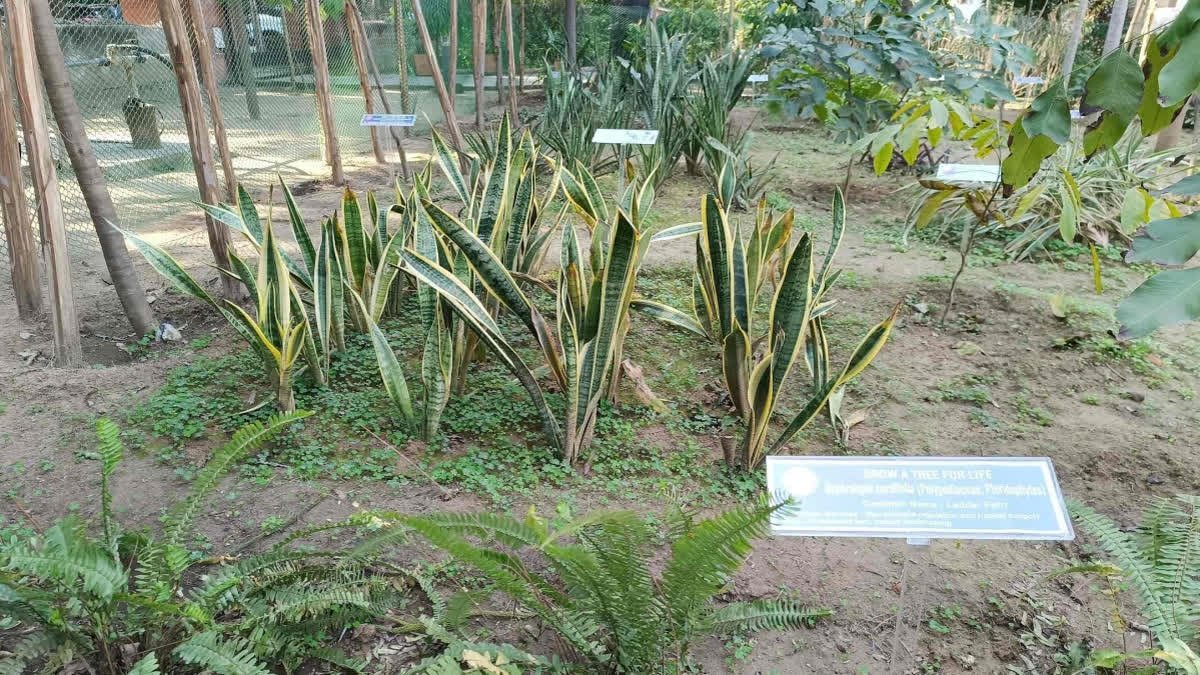
Delhi’s higher education campuses are preparing to experiment with a new form of micro-ecosystem aimed at improving air quality and strengthening biodiversity within dense urban environments. Several colleges affiliated with the university are expected to introduce Delhi University carbon gardens, a nature-based solution designed to absorb pollutants while enhancing soil health and ecological balance. University officials involved in the initiative say the project seeks to integrate small but scientifically designed green spaces within college campuses. These spaces combine different living organisms—including algae, microorganisms and multiple plant species—to create compact ecosystems capable of capturing carbon and filtering pollutants from the air.
Urban environmental planners note that academic institutions often serve as ideal testing grounds for experimental ecological interventions. Campuses typically have controlled environments, open land parcels and active research communities that can monitor environmental outcomes over time. The proposed Delhi University carbon gardens aim to replicate a model that combines biodiversity with pollution mitigation. Unlike traditional gardens focused solely on landscaping or aesthetics, these ecosystems are structured to include layered vegetation such as herbs, shrubs and trees, alongside soil organisms that contribute to carbon capture and nutrient cycling. Environmental scientists explain that microbial life in soil plays a critical role in breaking down organic matter and stabilising carbon within ecosystems. When integrated with diverse plant species, such systems can support natural processes that help improve soil quality and reduce atmospheric carbon dioxide levels. The concept is particularly relevant for Delhi, a city that regularly faces severe air pollution and environmental stress linked to rapid urbanisation.
Experts say distributed micro-ecosystems such as Delhi University carbon gardens could complement larger urban forestry efforts by introducing pollution-absorbing green spaces within densely built environments. Another advantage of the approach is its adaptability. The gardens are designed to function effectively even in small areas, making them suitable not only for university campuses but also for schools, institutional complexes and public parks where space may be limited. Urban sustainability specialists believe such initiatives also provide educational benefits. Students studying environmental science, urban planning and sustainability can observe how living ecosystems function as climate mitigation tools. The gardens can also serve as research platforms to measure carbon absorption, biodiversity patterns and soil regeneration over time. The initiative reflects a broader shift among academic institutions toward integrating sustainability practices into campus planning. Across Indian cities, universities are increasingly experimenting with green infrastructure—such as rainwater harvesting systems, solar power installations and biodiversity parks—to reduce their environmental footprint.
Experts emphasise that while small-scale ecological interventions cannot solve large pollution challenges alone, they contribute to a wider network of nature-based solutions that cities must adopt to address climate change and environmental degradation. If implemented widely, Delhi University carbon gardens could become part of a broader movement encouraging educational institutions to transform their campuses into living laboratories for sustainable urban design and climate resilience.