Nagpur Tree Transplant Sets Urban Climate Resilience Example
As spring transforms Delhi’s urban landscape with bursts of colour and flowering canopies, a growing number of residents are turning to guided tree walks to reconnect with the city’s overlooked ecological assets. These walks, hosted across parks and heritage sites, are emerging as informal platforms for environmental awareness and citizen engagement with biodiversity. The seasonal shift has made Delhi’s trees more visible, with species such as semal, jacaranda and palash in bloom across public spaces. Urban ecologists note that spring offers a unique window to observe plant life cycles, as flowering patterns and leaf changes reveal the health and diversity of the city’s green cover. For participants, tree walks provide a structured way to interpret these natural cues within an urban context.
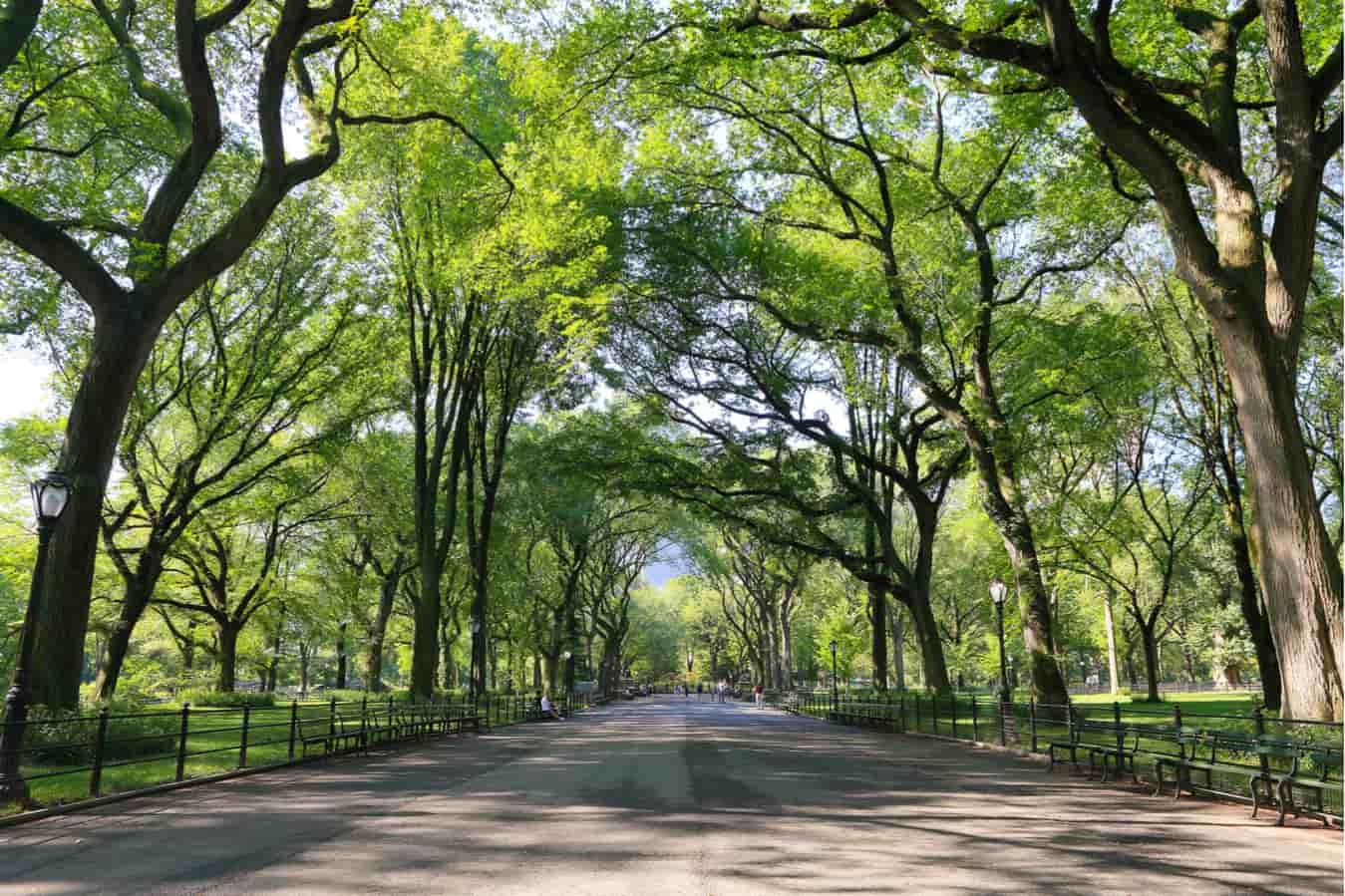
Beyond recreation, these walks are increasingly being linked to broader conversations on climate resilience. Experts highlight that urban trees play a critical role in mitigating heat, improving air quality and supporting local ecosystems. In a city grappling with rising temperatures and pollution levels, strengthening awareness around urban forestry is seen as essential to long-term sustainability. Public spaces such as forested patches, heritage gardens and restored parks are becoming focal points for such initiatives. Locations with a mix of native and exotic species offer opportunities to study biodiversity within dense urban settings. Environmental practitioners emphasise that engaging citizens with these spaces can foster a sense of stewardship, encouraging better protection and maintenance of green assets. The concept of tree walks also reflects a shift in how urban residents experience public spaces. Rather than viewing parks solely as recreational zones, participants are encouraged to observe ecological relationships—between trees, birds, insects and soil systems. This perspective aligns with emerging urban planning approaches that integrate biodiversity into city design rather than treating it as a separate concern.
Technology is playing a complementary role in this movement. Mobile applications and image-recognition tools are helping participants identify species and document observations, creating informal datasets on urban flora. However, experts caution that digital tools should supplement, not replace, direct sensory engagement with natural environments. From a planning perspective, the growing popularity of tree walks underscores the value of accessible, well-maintained green spaces. Real estate analysts note that proximity to parks and tree-lined avenues increasingly influences residential preferences, particularly among younger buyers seeking healthier living environments. At the same time, uneven distribution of green cover across Delhi remains a challenge. While some neighbourhoods benefit from dense vegetation and heritage landscapes, others lack adequate tree cover and open spaces. Urban planners argue that expanding similar ecological initiatives to underserved areas will be crucial for equitable urban development.
As Delhi continues to urbanise, initiatives centred around tree walks offer a low-cost, community-driven approach to reconnecting people with nature. Their long-term impact will depend on how effectively they translate awareness into policy support, conservation efforts and inclusive access to the city’s green infrastructure.