Delhi Transport Budget Expands EV And Metro Network
Delhi has outlined a ₹8,374 crore outlay for its mobility sector, placing clean transport, rail expansion and last-mile connectivity at the centre of its urban strategy. The latest Delhi transport budget reflects a shift towards electrification and regional integration, as the capital seeks to balance rising travel demand with environmental and congestion challenges. A key pillar of the plan is the accelerated transition to electric mobility. Allocations have been earmarked for scaling up electric vehicle adoption through a combination of incentives, scrappage-linked programmes and charging infrastructure. Officials involved in the planning process indicate that the objective is to reduce vehicular emissions while building a comprehensive ecosystem that supports both public and private electric transport.
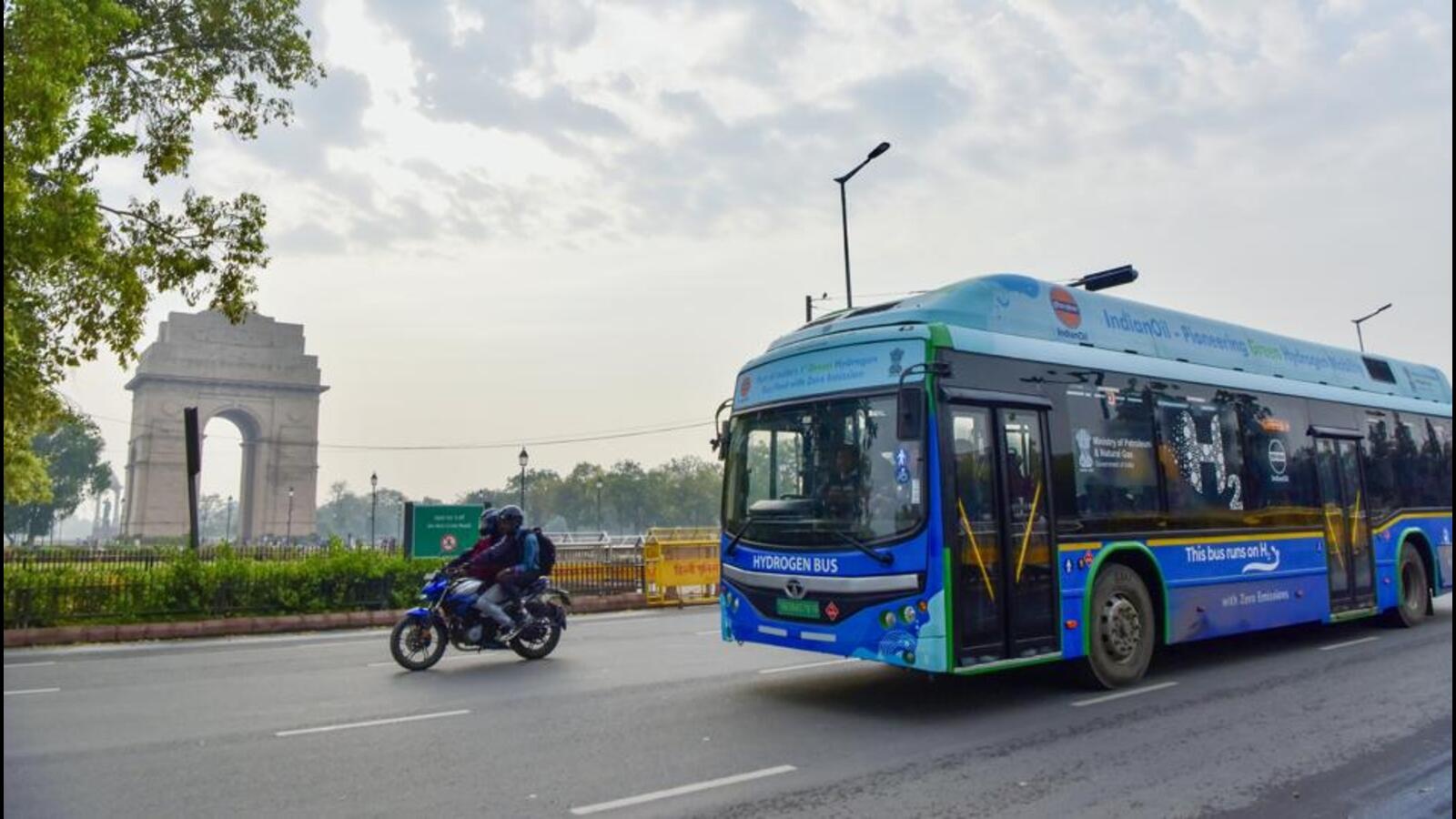
Public bus electrification is expected to see a steady increase over the next two years, with the city targeting a larger share of zero-emission buses within its overall fleet. Transport experts suggest that expanding electric buses can significantly improve air quality while maintaining affordability for daily commuters. However, they note that operational efficiency and charging network readiness will be critical to sustaining this transition. The Delhi transport budget also allocates substantial funding for metro rail expansion under upcoming phases of the Delhi Metro Rail Corporation network. These investments are aimed at strengthening mass transit capacity and improving connectivity between high-density residential areas and employment hubs. Urban planners view metro expansion as essential to reducing reliance on private vehicles, particularly in a city where road congestion continues to impose economic and environmental costs. In parallel, the government is investing in regional rapid transit systems to enhance intercity mobility across the National Capital Region.
New high-speed corridors are expected to connect Delhi with neighbouring urban clusters, cutting travel times and supporting economic integration across state boundaries. Such infrastructure could reshape commuting patterns, enabling a wider labour market while easing pressure on central districts. The plan also includes funding for vehicle fitness infrastructure through new automated testing stations, aimed at improving compliance and phasing out polluting vehicles. This measure, combined with electrification efforts, signals a more systemic approach to emissions control beyond fleet expansion alone. Additional provisions for feasibility studies on congestion reduction and multimodal integration highlight the need for long-term planning. Experts emphasize that while infrastructure investment is necessary, effective outcomes depend on aligning policy, land use and transport systems.
As Delhi advances its clean mobility agenda, the success of the Delhi transport budget will depend on how well these initiatives are coordinated and implemented on the ground. The coming years will determine whether the capital can transition towards a more sustainable, efficient and inclusive urban transport model.