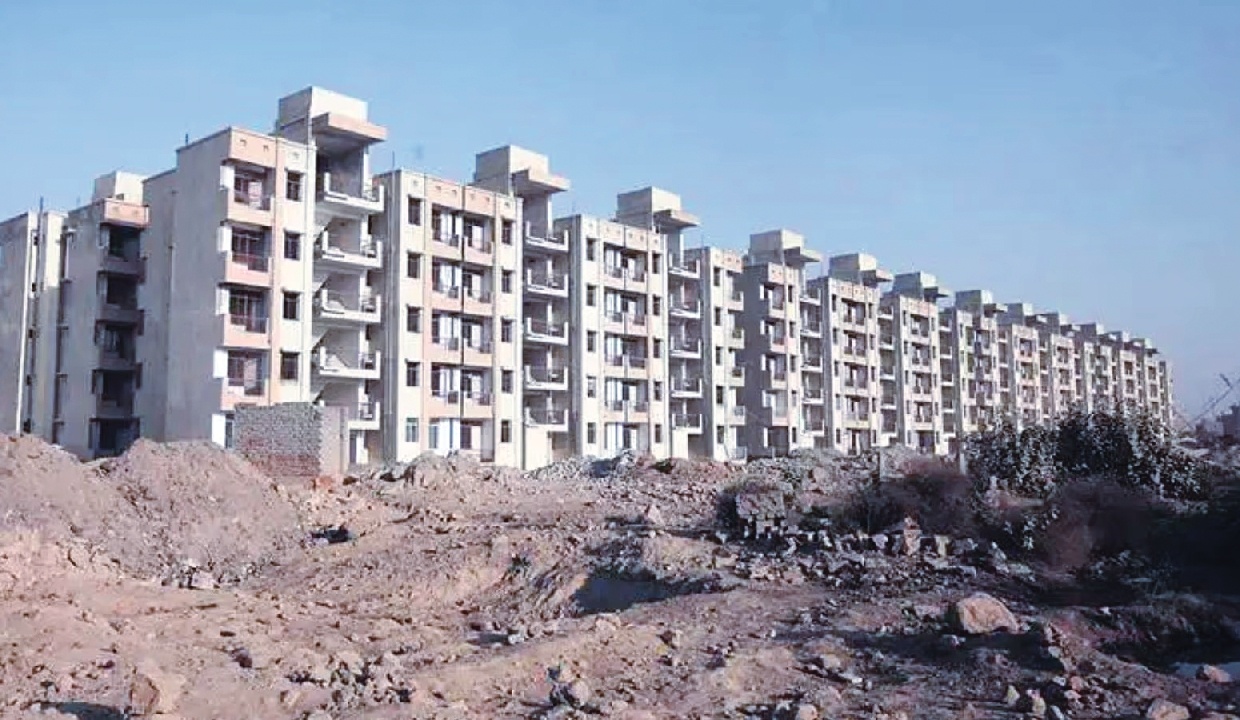
Delhi Transit Oriented Development Boosts Affordable HousingDelhi Transit Oriented Development Boosts Affordable Housing
Delhi’s planning authorities have introduced a new framework designed to intensify development around the capital’s expanding metro network, opening large stretches of land for dense housing and mixed-use construction. The revised Transit Oriented Development policy is expected to reshape how neighbourhoods grow around public transport corridors while increasing the supply of smaller, more affordable homes across the National Capital Territory. Under the updated regulations, urban development will be encouraged within a 500-metre influence zone along metro and regional rapid transit corridors. Officials estimate that nearly 207 square kilometres of land across Delhi could now fall within these planning zones, significantly expanding opportunities for redevelopment in areas already connected by mass transit.
The shift represents a move away from earlier node-based planning models toward a continuous corridor approach. By treating entire stretches of transport infrastructure as development spines, planners aim to create compact neighbourhoods where housing, workplaces and daily services exist within easy walking distance of public transport stations. Urban development officials say the Transit Oriented Development policy is intended to reduce reliance on private vehicles while improving land efficiency in a city where urban sprawl has placed increasing pressure on infrastructure and commuting patterns. High-density, transit-linked neighbourhoods are widely considered an essential component of climate-resilient urban planning, as they reduce travel distances and encourage the use of public transport. The revised framework also expands the range of land parcels eligible for TOD-led development. Areas previously excluded—including some low-density residential zones, land pooling sectors and unauthorised colonies—are now part of the potential redevelopment landscape. Industry analysts suggest that the inclusion of these areas could unlock new housing supply while encouraging the gradual formalisation of informal settlements.
Another major feature of the policy is the increased development potential permitted within these zones. Projects located along metro corridors can utilise a significantly higher floor area ratio, allowing developers to construct taller and denser buildings than previously allowed. At the same time, regulations require a substantial portion of the built space to be dedicated to residential units of moderate size, ensuring that redevelopment contributes to the city’s affordable housing needs. Planning guidelines also mandate the integration of local commercial activity and neighbourhood services within redevelopment projects. Experts say this mixed-use model is essential for creating active urban districts where residents can access retail, workspaces and community facilities without long daily commutes. Transport integration remains another key component of the Transit Oriented Development policy. Authorities have proposed pedestrian-friendly access to metro stations, including grade-separated walkways or underground connections that improve safety and accessibility for commuters. To accelerate project approvals, the policy introduces a streamlined regulatory process and consolidated charges for developments located in TOD zones. Urban economists note that simplified approval mechanisms can reduce project delays while encouraging investment in transit-linked housing markets.
As Delhi continues to expand its metro and regional transit systems, planners view TOD-based development as a crucial tool for shaping sustainable growth. If implemented effectively, the framework could support compact neighbourhoods that balance housing demand, mobility access and environmental sustainability in one of India’s fastest-growing metropolitan regions.