


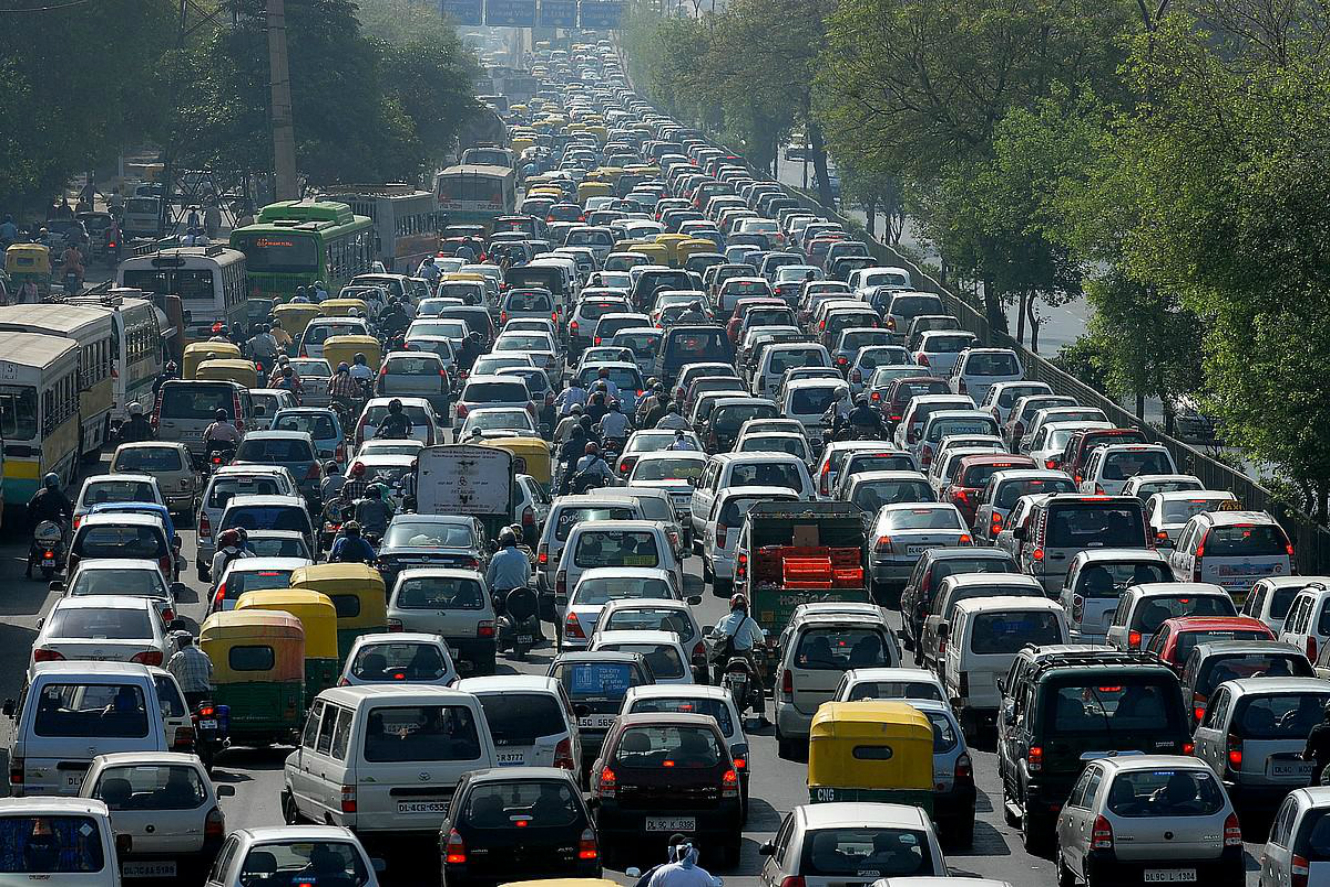
The national capital experienced severe traffic congestion across multiple arterial roads as a surge of wedding-related vehicles coincided with daily commuter traffic, highlighting persistent challenges in urban mobility management. The gridlock disrupted travel for tens of thousands, increasing commute times, elevating air pollution levels, and straining city services.
Urban mobility experts note that Delhi’s combination of high private vehicle dependency, event-driven traffic spikes, and limited road capacity contributes to recurring congestion episodes, particularly during weekends and festive seasons. A senior traffic official described the situation as “a test of real-time traffic management and citizen compliance,” with many vehicles slowing or blocking major intersections. The city’s congestion underscores deeper structural challenges in urban transport planning. Despite investments in metro expansion, bus fleets, and smart traffic signals, the dependency on private cars for social and ceremonial events continues to dominate road use. Transport planners highlight that ad hoc traffic surges not only impede daily commutes but also compromise emergency vehicle access and reduce productivity across sectors. Economic implications are notable. Logistics firms, delivery services, and local businesses experience delays that cascade through supply chains, particularly in districts connecting residential hubs with commercial areas. Urban planners suggest integrating temporary event-specific traffic diversion plans and incentivising shared or off-peak travel for large gatherings.
Environmental impact is also a concern. Higher vehicle density contributes to particulate emissions, exacerbating air quality challenges already linked to seasonal temperature inversions and urban heat islands. Sustainability experts argue that embedding climate-sensitive traffic management measures — such as prioritising low-emission transport, scheduling staggered event arrivals, and enforcing dedicated lanes — could reduce environmental stress during peak events. City authorities have begun experimenting with digital monitoring and predictive traffic analytics, but experts caution that reactive measures alone are insufficient. Long-term solutions include promoting decentralised event venues, strengthening public transport links to high-demand locations, and incorporating multi-modal planning that balances road, rail, and pedestrian networks.
From a citizen perspective, congestion affects accessibility, safety, and quality of life. Residents living along heavily trafficked corridors face noise, air pollution, and potential hazards from high-density traffic flows. Urban planners emphasise community consultation and transparent enforcement policies to ensure both mobility and inclusivity are maintained. As Delhi’s population and private vehicle ownership grow, seasonal and event-driven congestion is likely to remain a recurring challenge. Effective mitigation will require combining technological traffic management with policy interventions that prioritise sustainable, zero-carbon transport options and equitable urban mobility.
Also Read: Punjab Four Lane Road Plan Advances Mobility
Delhi Traffic Gridlock Hits Major Urban Corridors
