Delhi Traffic Curbs Announced For Independence Day Security And Mobility
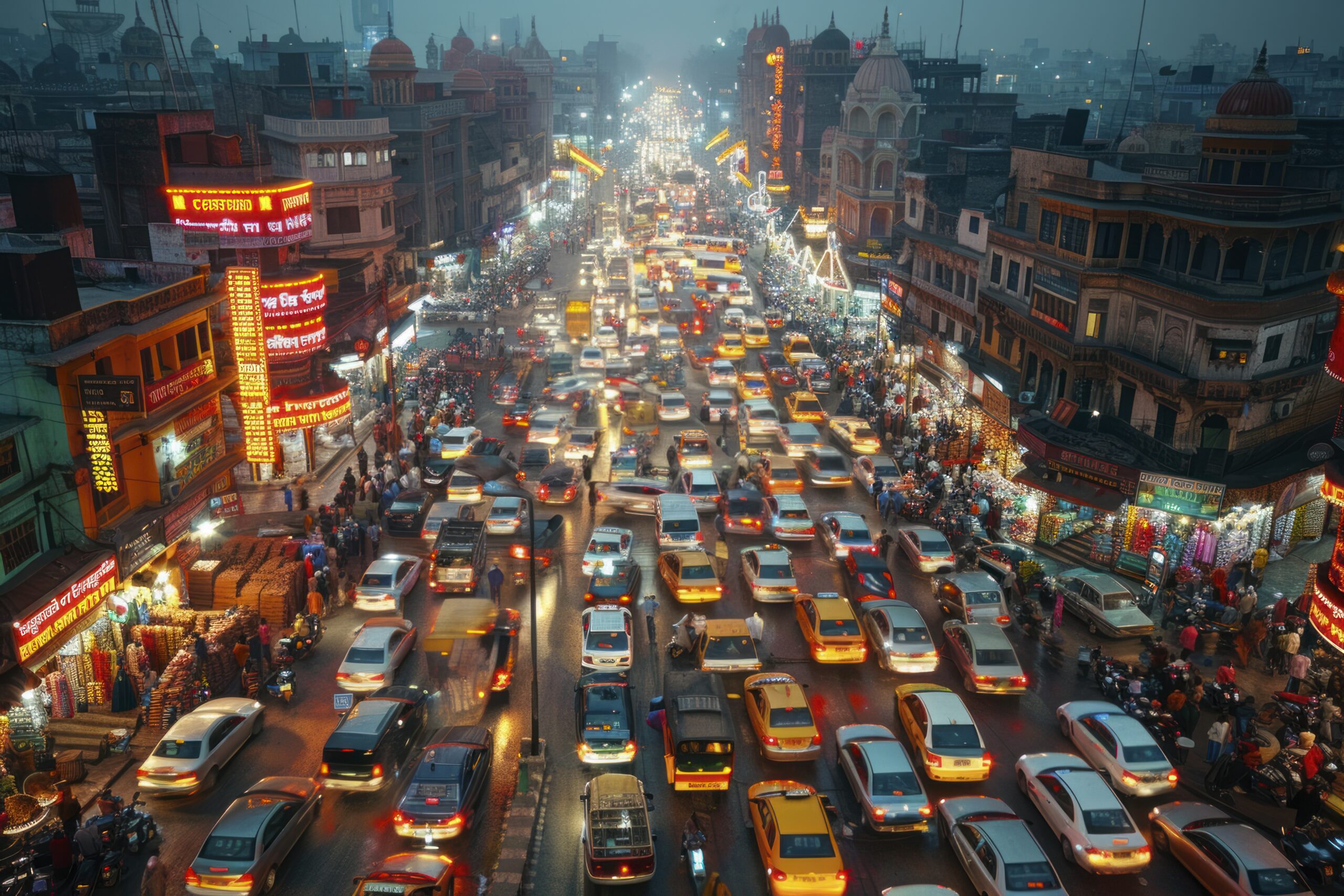
Delhi is set to impose extensive traffic restrictions and diversions around the Red Fort and key arterial roads on 13 and 15 August to ensure heightened security and smoother movement during Independence Day celebrations. Authorities have mapped alternative routes to minimise disruption, with strict entry controls for vehicles without official permits. The measures, aimed at balancing public safety with mobility, will affect several major corridors connecting North, South, East and Central Delhi.
The arrangements will take effect early morning on both days, with key arterial stretches in central and north Delhi remaining closed from 4 am to 10 am. Only vehicles bearing valid parking labels will be allowed through these routes, covering Netaji Subhash Marg, S.P. Mukherjee Marg, Chandni Chowk Road, Nishad Raj Marg, and adjoining corridors. Restrictions will also extend along segments of the Ring Road and Outer Ring Road leading towards the venue.
In keeping with sustainable mobility principles, authorities have mapped detailed alternative corridors to redistribute traffic flows. For north–south commuters, recommended passages include Aurobindo Marg through to Rani Jhansi Road, and Connaught Place through to Nizamuddin Bridge. East–west travel will be facilitated through NH-24, Barapula Road, and strategic links connecting major flyovers to bypass congested areas. Goods vehicles will face strict no-entry conditions from midnight to late morning between Nizamuddin and Wazirabad, while interstate buses will have re-routed access between key terminals to avoid gridlock in sensitive zones. Trans-Yamuna services will terminate earlier than usual, and certain bridges, including the Old Iron Bridge and Geeta Colony Bridge towards Shanti Van, will remain shut to streamline security arrangements.
Officials have also ensured that public transport links remain operational in unaffected sectors, allowing the majority of citizens to rely on buses, metro, and sustainable commuting options. Traffic experts emphasise that such arrangements not only safeguard ceremonial areas but also reduce unnecessary vehicular emissions during high-security operations. By funnelling vehicles through pre-identified green corridors, the city can mitigate congestion-related air pollution — a critical step in building a more eco-friendly urban transport framework. Urban planners note that recurring annual events like Independence Day offer valuable insights for rethinking Delhi’s broader traffic management strategies. Trial runs of decentralised parking, multi-modal transfers, and staggered access could eventually be incorporated into regular policy, reducing the city’s heavy dependence on private vehicles.
While the restrictions may cause temporary inconvenience, transport officials urge residents to treat them as both a civic responsibility and an opportunity to support cleaner mobility practices. Real-time traffic updates will be disseminated through official channels, enabling citizens to adapt their routes promptly. In a capital city where ceremonial pride intersects with the urgency of sustainable urban planning, the 2025 Independence Day arrangements stand as a reminder that security, mobility, and environmental consciousness can — and must — go hand in hand.