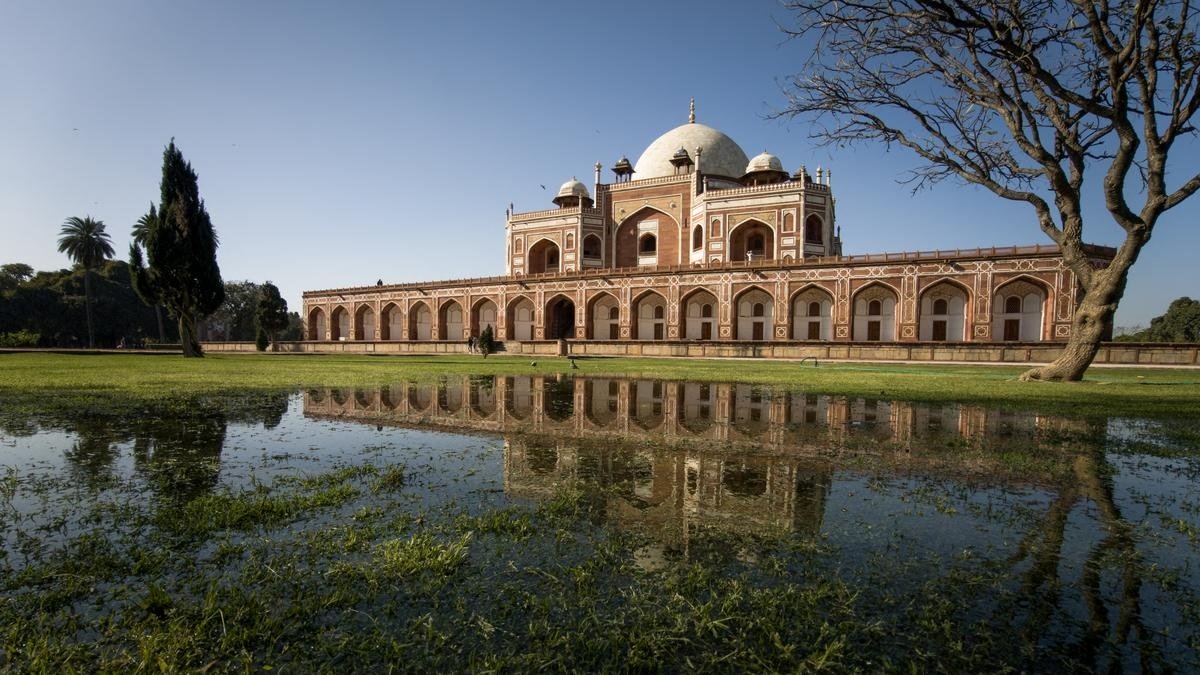
A dedicated institutional framework for tourism governance is set to take shape in Delhi, with plans to establish a Delhi Tourism Board as part of the upcoming fiscal strategy. The move is expected to streamline coordination across agencies, improve visitor experiences, and extend the average duration of tourist stays—an outcome that could significantly influence the capital’s urban economy and cultural infrastructure. Officials familiar with the proposal indicate that the Delhi Tourism Board will function as a central coordinating body, bringing together multiple departments involved in heritage management, transport, hospitality, and urban services. At present, fragmented responsibilities often lead to inefficiencies in planning and execution, limiting the city’s ability to present a cohesive tourism offering.
Industry observers say the creation of a Delhi Tourism Board reflects a broader shift in how cities position tourism—not merely as a cultural activity but as a key economic driver. Increasing the length of visitor stays has direct implications for local businesses, including hotels, retail, food services, and transport providers, thereby supporting employment and revenue generation. A core focus of the Delhi Tourism Board is expected to be the development of integrated tourism circuits that connect historical sites, cultural districts, and emerging urban experiences. Experts suggest that curated itineraries, supported by improved last-mile connectivity and digital information systems, can enhance accessibility while distributing visitor flows more evenly across the city. From an urban planning perspective, better tourism management can contribute to more balanced infrastructure use. High footfall areas often face pressure on public amenities, while lesser-known locations remain underutilised. A coordinated approach can help optimise existing assets, reduce congestion in key zones, and promote sustainable use of heritage spaces.
The initiative also aligns with evolving expectations of travellers, who increasingly seek immersive and well-organised experiences. Enhancing wayfinding, safety, cleanliness, and public space design will be critical to meeting these expectations. Urban experts note that such improvements often benefit residents as much as visitors, reinforcing the idea of tourism-led urban upgrades. There are environmental considerations as well. Structured tourism planning can encourage low-impact mobility options, such as walking circuits and public transport integration, reducing the carbon footprint associated with travel within the city. This aligns with broader goals of creating climate-resilient and liveable urban environments. However, the effectiveness of the Delhi Tourism Board will depend on its governance model, funding mechanisms, and ability to coordinate across jurisdictions. Experts emphasise the need for data-driven planning, stakeholder engagement, and clear accountability frameworks to ensure that the initiative delivers measurable outcomes.
As Delhi continues to evolve as both a historical and modern urban centre, the proposed Delhi Tourism Board could play a pivotal role in shaping how the city is experienced. Its success will likely hinge on translating institutional coordination into tangible improvements in infrastructure, accessibility, and visitor engagement.