Delhi TOD Clearance Reform Targets Faster Development
Delhi’s urban planning framework is undergoing a significant procedural shift as the city’s land development authority introduces a new approval mechanism designed to accelerate projects near major public transport corridors. The reform centres on a Transit Oriented Development clearance system, intended to streamline regulatory approvals and encourage dense, mixed-use neighbourhoods around metro and mass transit networks. Urban planners say the move is aimed at reducing administrative delays that have historically slowed development projects in the capital. Under the revised framework, a centralised committee will coordinate approvals for projects planned within designated transit-linked development zones. The panel brings together representatives from multiple infrastructure and civic agencies that typically review building proposals, including municipal bodies, fire safety departments and utility providers.
Officials familiar with the policy say the Transit Oriented Development clearance system replaces a fragmented approval structure that required developers and landowners to approach several government agencies individually. By integrating these processes into a single administrative platform, authorities expect to shorten project timelines and improve predictability for investors and housing developers. The reform introduces a single application point for proposals seeking development rights under the city’s Transit Oriented Development framework. Once submitted, the proposal will be circulated internally among relevant departments for technical evaluation, removing the need for applicants to seek separate clearances from multiple offices. Urban policy analysts say such single-window systems have increasingly become a global standard in cities attempting to attract infrastructure investment while maintaining regulatory oversight. Another structural change involves the consolidation of multiple development-related payments into a unified charge. In the past, projects located along transit corridors were required to pay separate levies for building approvals, infrastructure connections, additional floor area permissions and land-use changes. The revised structure merges these into one combined fee, a step that officials say will improve cost transparency and simplify compliance.
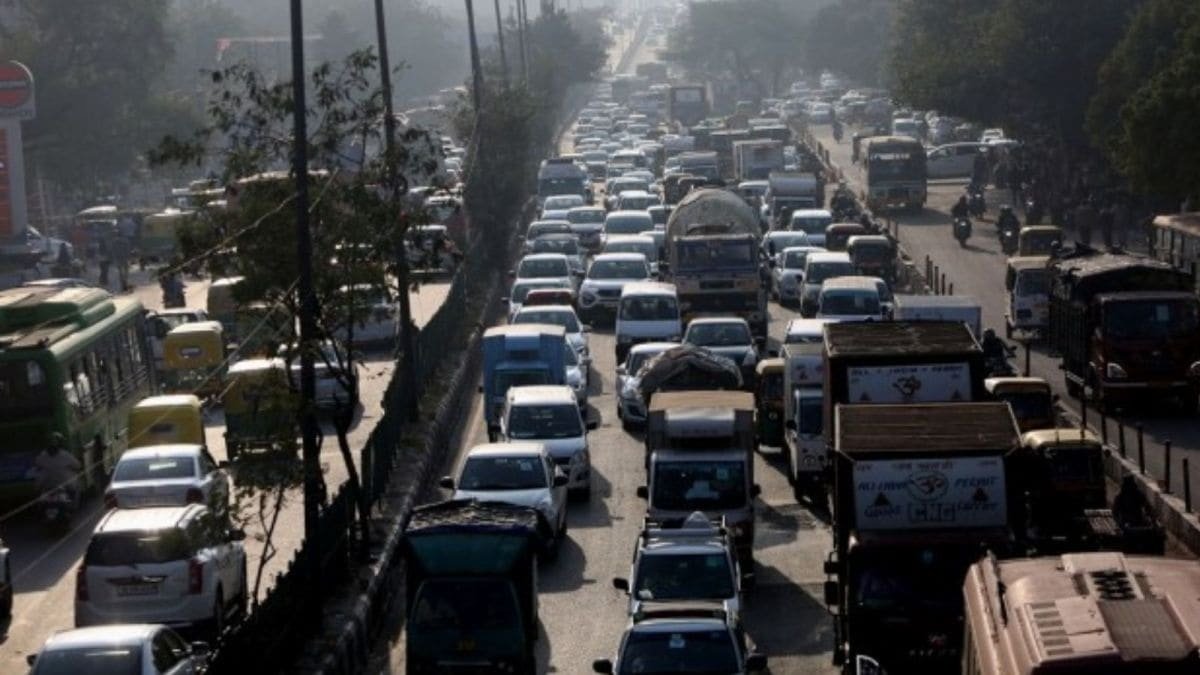
Industry observers believe the financial simplification could make projects more viable, particularly in areas close to metro stations where land values are high. Developers often cite unpredictable approval costs as a barrier to undertaking large mixed-use projects. The streamlined payment structure is expected to reduce such uncertainty. The planning reforms are part of a broader effort to promote transit-centric urban growth in the national capital. Transit Oriented Development is a planning approach that encourages compact, high-density neighbourhoods located within walking distance of public transport hubs. Such neighbourhoods typically combine residential, commercial and institutional spaces, enabling residents to live, work and access services without long commutes. Urban development specialists note that encouraging growth around transit corridors can also contribute to climate-responsive city planning. By increasing public transport usage and reducing dependence on private vehicles, compact development patterns can help curb congestion and lower urban emissions. The Transit Oriented Development clearance system is therefore seen as both an administrative reform and a planning tool designed to unlock underutilised land parcels along Delhi’s extensive metro network. Faster approvals may encourage new housing, offices and retail developments in these areas while improving connectivity and walkability.
For a rapidly growing capital facing rising housing demand and infrastructure pressure, the effectiveness of the new approval mechanism will likely depend on how efficiently agencies coordinate within the unified system. If implemented smoothly, the reform could play a key role in shaping more connected and sustainable urban districts in the years ahead.