


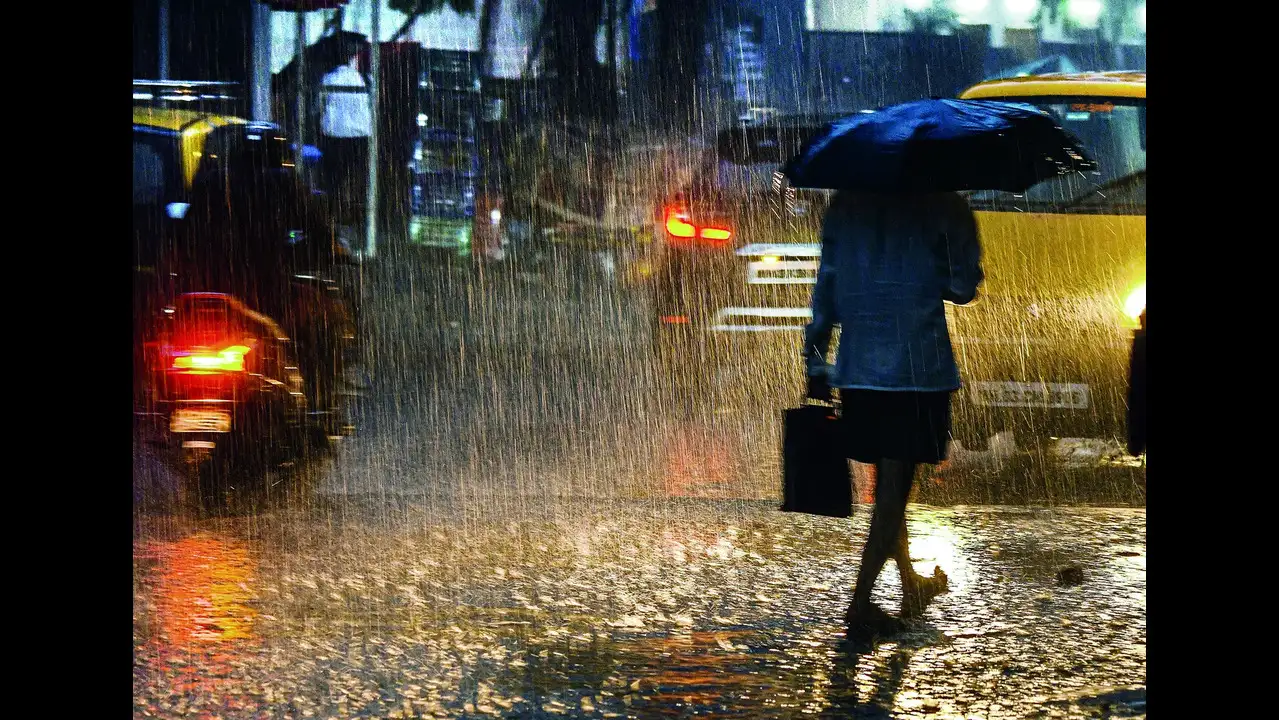
Delhi is set to roll out a single, citywide complaint number to address waterlogging issues.
This unified helpline, designed to centralise and streamline public grievances, is expected to be operational before the onset of the monsoon, offering a real-time solution to one of the capital’s most persistent urban challenges. The initiative will integrate various civic departments—namely the Public Works Department (PWD), the Municipal Corporation of Delhi (MCD), Flood Control, and the New Delhi Municipal Council (NDMC)—into a common command and control centre. This development is expected to significantly cut response times and eliminate the long-standing confusion among citizens about which agency to approach when reporting flooding or blocked drains.
An official overseeing the rollout noted that the NDMC’s existing 311 helpline will be extended as the unified waterlogging complaint number across the entire city. “This system has been designed keeping the citizen in mind. People should not have to guess which road falls under which authority. A single helpline ensures ease and accountability,” the official explained. The NDMC’s advanced command centre will act as the operational nerve centre for monsoon-related emergencies. Staffed with real-time responders from multiple departments, the centre has been equipped with live citywide camera feeds, enabling immediate visual confirmation of complaints. High-capacity drainage pumps across the capital have been digitised and can now be operated remotely, marking a significant technological leap in flood response.
This integrated civic strategy follows years of fragmented and often ineffective management of urban waterlogging in Delhi, which has routinely brought traffic to a standstill, disrupted essential services, and posed risks to public health. The lack of inter-departmental coordination, especially during the peak monsoon season, has been a recurring concern for residents, particularly in low-lying and densely populated areas. A senior infrastructure expert involved in the planning highlighted that this initiative also aims to shift civic governance towards a more climate-resilient and citizen-responsive model. “Urban flooding is not just a civic inconvenience—it is a climate crisis. The way a city manages its water flow speaks volumes about its planning priorities. With increasingly erratic weather patterns, such preparedness is essential,” the expert said.
Delhi’s climate vulnerability has been underscored repeatedly in recent years. Last week, the city witnessed a sudden bout of heavy rainfall accompanied by high-speed winds and dust storms, leading to uprooted trees, airport delays, traffic gridlocks, and widespread waterlogging. Such events are no longer anomalies but seasonal certainties, intensified by rising surface temperatures and poor urban drainage planning. Against this backdrop, the helpline system is being seen as a timely move to professionalise disaster response and implement data-driven civic management. In addition to the helpline and the integrated control room, the government is reportedly developing standard operating procedures to ensure that all civic bodies follow uniform protocols during flood emergencies.
Moreover, the new system is intended to remove the long-standing bureaucratic blame game that often erupts after heavy downpours. Previously, overlapping jurisdictions between the PWD, MCD, and NDMC meant that the buck was frequently passed between agencies, leaving complaints unresolved. With all departments now reporting to a central control point and a shared grievance redressal mechanism in place, administrative opacity is expected to reduce significantly. Officials pointed out that this unified approach was made possible through increased institutional alignment across Delhi’s civic landscape. With the same political party now managing the Centre, Delhi Government, and the MCD, the erstwhile coordination challenges have, according to authorities, significantly improved.
Urban planners and sustainability advocates have welcomed the move but caution that digital solutions must be matched by on-ground preparedness. “Technology can amplify efficiency, but if the physical infrastructure—drains, pumps, holding tanks—isn’t maintained or expanded, bottlenecks will persist,” one urban policy analyst noted. Indeed, the city’s drainage capacity remains a concern. Many drainage lines remain clogged due to poor waste management and encroachments, which turn even moderate rainfall into a flooding hazard. Several areas in North and East Delhi experience chronic waterlogging each year, a problem worsened by unplanned construction and shrinking natural water bodies.
In this context, the decision to link the waterlogging grievance mechanism with a digitally responsive platform could play a role in building a more sustainable and citizen-centric civic model. Experts argue that this system must not merely act as a firefighting tool but also feed data into long-term infrastructure upgrades and climate adaptation planning. Furthermore, the emphasis on automation and real-time response is in line with the broader vision of developing zero net carbon and environmentally resilient cities. Efficient stormwater management can reduce emissions from idling traffic, protect groundwater from contamination, and preserve urban mobility—all critical pillars of a green urban agenda.
However, the system’s success will ultimately depend on consistent maintenance, public awareness, and accountability from civic bodies. Residents must be informed about how to access the unified helpline, what to expect in terms of response times, and how their complaints are resolved. Without this transparency, even the most advanced platforms risk becoming bureaucratic black holes. Delhi’s move to adopt a unified waterlogging complaint number, if implemented effectively, could serve as a model for other Indian cities struggling with similar challenges. As climate change continues to test the resilience of urban infrastructure, such measures reflect a necessary shift in governance—from reactive to anticipatory, from fragmented to integrated.
The initiative marks a positive step forward, but whether it transforms Delhi’s monsoon experience will depend on how responsibly and inclusively it is carried forward. For a city of over 30 million residents, urban planning can no longer be piecemeal. It must be systemic, smart, and above all, sensitive to the everyday realities of its people.
Also Read : Delhi Metro Announces Temporary Changes to Pink Line Schedule
