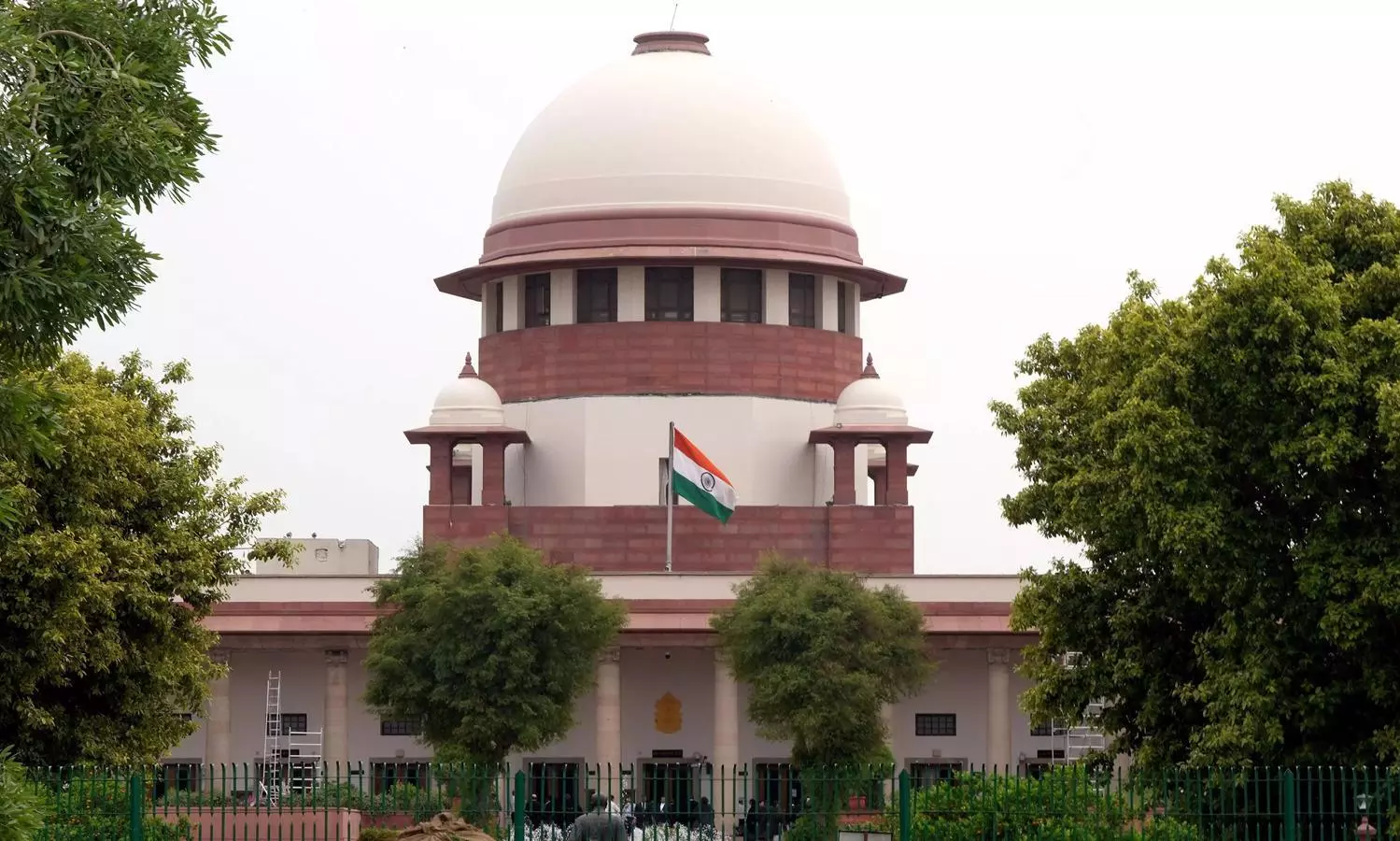
Delhi to File Review Petition in Supreme Court on Older Vehicle Ban
Delhi’s government is considering filing a review petition in the Supreme Court against its order banning petrol vehicles older than 15 years and diesel vehicles older than 10 years. Senior officials have directed the Transport and Environment departments to conduct a comprehensive study on the policy’s implementation and overall impact. This move comes after a recent strict enforcement drive targeting overaged vehicles, which included a ban on fuel supply, was quickly paused due to significant public backlash and what officials described as “critical operational and infrastructural challenges,” highlighting the complexities of balancing environmental goals with urban realities.
The two departments have been specifically tasked with evaluating the effectiveness of current end-of-life vehicle (ELV) guidelines, identifying challenges in their enforcement, and gathering feedback from the public and other stakeholders. Their review will also assess the direct and indirect consequences of these measures on Delhi’s persistently challenging air quality. An official indicated that the government’s decision to approach the apex court will be contingent upon the findings and reports submitted by both departments, ensuring that any legal action is based on thorough ground-level assessment and data-driven insights.
This development follows closely on the heels of a letter from the Lieutenant Governor, who urged the Chief Minister to review the Supreme Court’s 2018 directive. The Lieutenant Governor expressed concerns about regional disparity, questioning the logic of a vehicle being deemed unfit in Delhi while remaining lawful and roadworthy in other cities. He advocated for a uniform policy across the entire National Capital Region (NCR) and urged a re-evaluation of age-based rules to ensure they are proportionate, fair, and not arbitrary, reflecting a growing sentiment among the public and policymakers for a more nuanced approach.
Officials confirmed that the departmental review will also detail the various pollution-control measures undertaken by the government over the past five months and analyze their outcomes, providing context for the current situation. A government minister had previously argued that Delhi’s existing infrastructure and public transport system are not adequately equipped to support such a sweeping ban, which disproportionately impacts lower-income commuters and small vehicle operators who rely on older vehicles for their livelihoods.
The final reports from the Transport and Environment departments are expected in the coming weeks. Subsequently, the Delhi Cabinet will convene to make a definitive decision on whether to formally move the Supreme Court. This potential legal step by the city could establish an important precedent for how Indian metropolitan areas navigate the dual pressures of deteriorating air quality and public resistance to stringent environmental enforcement.