Delhi Tikri Khurd Lake Project Boosts Urban Ecology
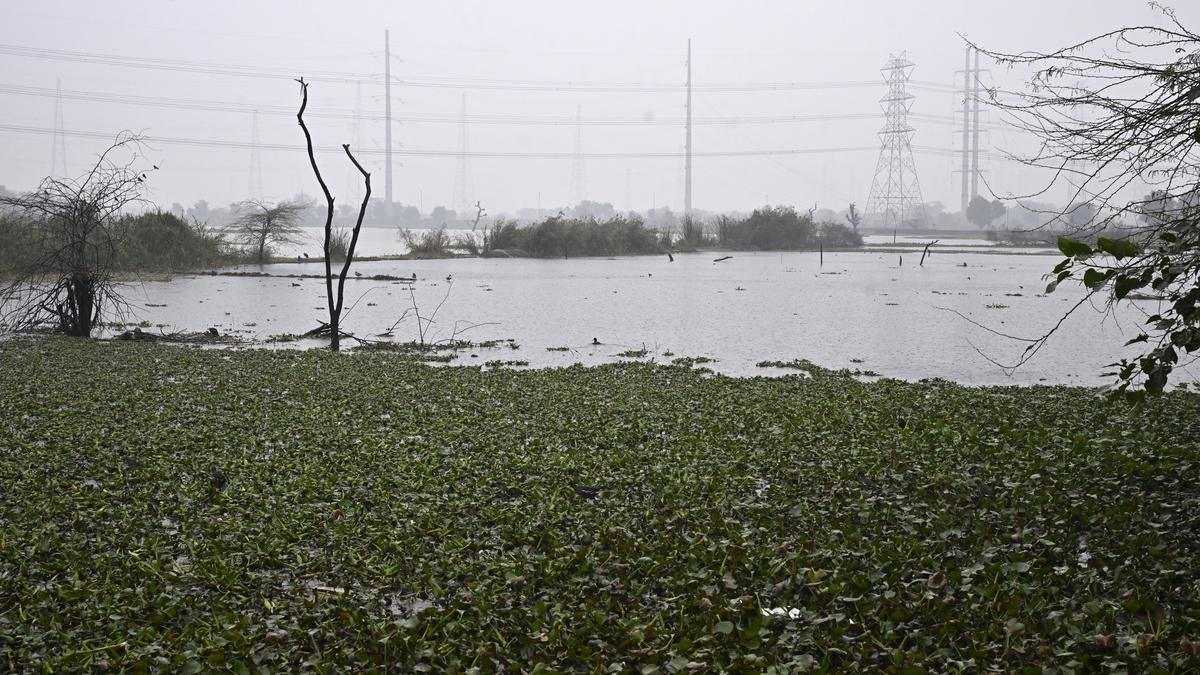
Delhi’s northern urban expansion zone is set to gain a large ecological landscape as authorities move forward with a Tikri Khurd Lake revival project in the Narela sub-city. The initiative aims to restore a degraded waterbody and transform surrounding land into a nature-focused meadow park, reflecting a broader shift towards climate-resilient urban infrastructure and green public spaces in the capital. Urban development officials confirmed that work has begun to rehabilitate the lake ecosystem and redesign nearly 110 acres of surrounding land into a landscape that prioritises biodiversity, water conservation and public accessibility. The project gained momentum after a recent inspection by the city’s administrative leadership flagged the deteriorating condition of the lake, including pollution, encroachments and unmanaged vegetation.
Located across multiple sectors in the Narela development zone, the lake itself occupies around 40 acres, while an additional 70-plus acres have been earmarked for ecological landscaping. Over the years, untreated wastewater from nearby settlements has flowed into the waterbody, accelerating ecological degradation and reducing the lake’s natural capacity to support wildlife and groundwater recharge. The Tikri Khurd Lake revival plan focuses first on restoring the lake basin. Authorities have begun removing illegal structures and clearing invasive aquatic plants that have spread across the water surface. Environmental engineers are also working on improving the lake’s depth and water-holding capacity so that it can function as a sustainable urban water reservoir during monsoon cycles. Landscape planners involved in the project say the surrounding terrain will be redesigned to support natural drainage patterns. Around 10 acres of meadowland are planned around the lake, planted with native grasses that require minimal irrigation and help absorb rainfall. By guiding stormwater gradually into the lake basin, the design intends to improve groundwater recharge while reducing the risk of urban flooding in adjacent neighbourhoods.
Large-scale plantation is another central component of the ecological restoration effort. Officials indicate that nearly 10,000 trees will be introduced across the site, including bamboo and native species that strengthen soil stability and create a habitat for birds and insects. Urban ecologists note that such mixed green landscapes can significantly improve microclimates in dense city environments. Public access infrastructure will also be incorporated but designed to minimise ecological disturbance. Plans include a pedestrian and cycling path circling the lake, viewing platforms for bird observation and shaded recreational spaces. Additional features under consideration include modest visitor facilities for environmental awareness programmes and nature-based learning. Water management remains a critical element of the redevelopment strategy. Decentralised sewage treatment systems are expected to intercept wastewater before it reaches the lake, ensuring that only treated water contributes to maintaining the water level throughout the year. The Tikri Khurd Lake revival initiative is part of a larger effort to expand Delhi’s ecological infrastructure. Over the past few years, authorities have undertaken similar restoration projects along degraded riverbanks and floodplain landscapes, turning neglected land into accessible urban forests and biodiversity parks.
Urban planners say such projects highlight a growing recognition that restoring waterbodies is not only about environmental conservation but also about strengthening cities against climate stress. If implemented effectively, the Narela meadow park could become a model for integrating lake restoration with sustainable urban recreation in rapidly expanding metropolitan regions.
Delhi Tikri Khurd Lake Project Boosts Urban Ecology