Delhi is experiencing a transitional weather pattern as daytime temperatures rise following recent rainfall, while cold northwesterly winds continue to influence the national capital. This shift comes a day after the city recorded its coldest March day in six years alongside its cleanest air quality in five months, highlighting the interplay of meteorological and environmental factors shaping urban climate conditions. Weather monitoring stations reported that Safdarjung recorded a minimum temperature of 13°C, notably below the seasonal average of 16.5°C, while the maximum reached 27.4°C, rising sharply from Friday’s 21.7°C. Other stations, including Palam and Lodhi Road, also recorded similar patterns of increasing daytime heat alongside lower nighttime temperatures, signalling a pronounced diurnal temperature range.
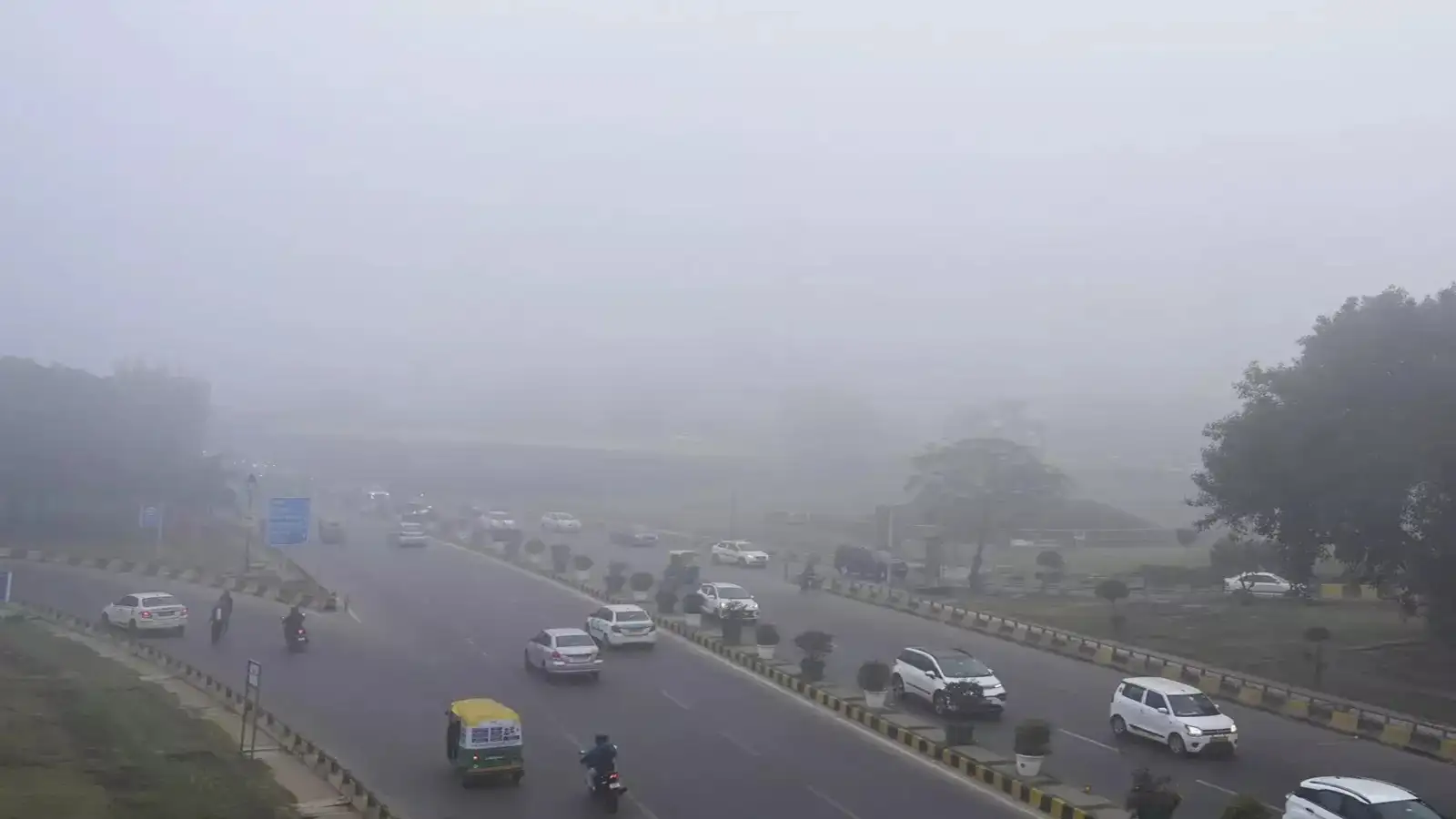
Meteorology experts note that continuous rainfall over March 18–20 increased atmospheric moisture levels. Overnight clearing of skies led to significant ground cooling, which, in turn, lowered air temperatures near the surface. The resulting condensation contributed to mild to moderate fog across the Delhi-NCR region, affecting visibility and local microclimates. Urban climatologists highlight that such temperature fluctuations have direct implications for the city’s energy demand, air quality, and public health. Cold mornings paired with warmer afternoons can exacerbate respiratory conditions and influence heating and cooling requirements in residential and institutional buildings. Additionally, changes in wind patterns can impact dispersion of urban pollutants, which in turn affects air quality and public exposure. Looking ahead, prevailing dry and cool northwesterly winds are expected to reduce atmospheric moisture, gradually dissipating fog while allowing daytime temperatures to increase steadily over the next two to three days.
Specialists indicate that although temperatures will climb, the transition is likely to be gradual, with summer-like conditions returning progressively rather than abruptly. Climate resilience analysts emphasise that understanding these transitional periods is critical for urban planning, including water management, energy provisioning, and transport operations. Forecasting accurate temperature and wind patterns enables civic authorities to prepare for heat stress management, manage pollution episodes, and optimise outdoor urban activity schedules. For residents, the immediate impact includes variable daily comfort levels, with chilly winds in the morning contrasting with warmer afternoons. Experts recommend appropriate clothing layers, monitoring indoor ventilation, and maintaining hydration to adapt safely to these oscillating conditions.
As Delhi continues to navigate this shift from winter to early summer, the interplay of rainfall, wind, and temperature underscores the importance of integrated urban climate monitoring. Accurate forecasting and responsive civic planning remain vital for ensuring public comfort, sustainable infrastructure operation, and effective adaptation to short-term weather variability.