Delhi Temperature Rise Expected As Rain Break Ends
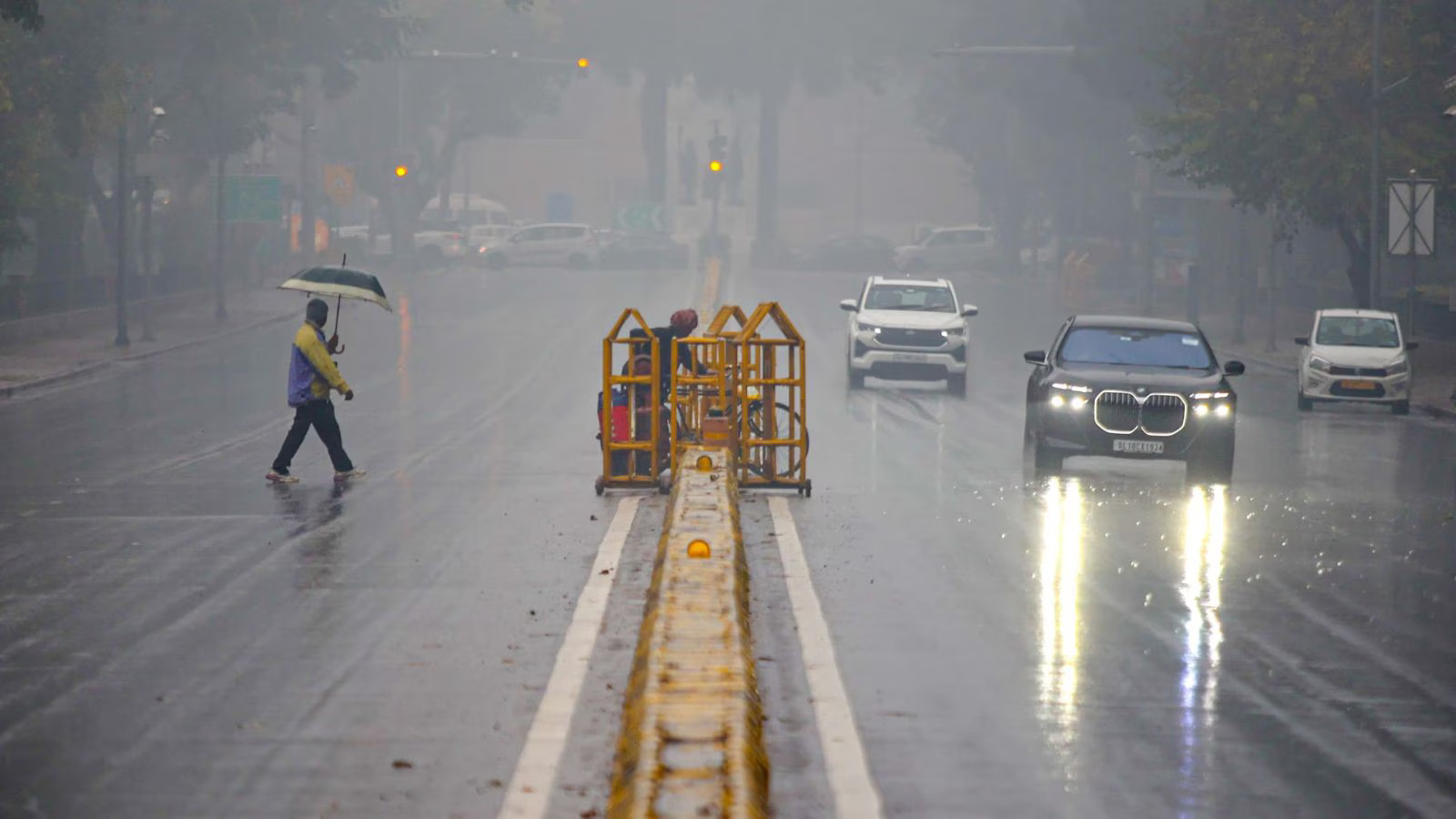
A brief spell of rain that brought temporary relief to residents in the national capital appears to be ending, with weather authorities forecasting a steady Delhi temperature rise over the coming days. Meteorological projections suggest daytime temperatures may approach 39°C by the middle of April as clear skies return and atmospheric systems stabilise across northern India. According to officials at the India Meteorological Department, the recent rainfall was linked to a series of western disturbances that moved across the northern plains in recent weeks. With these weather systems now shifting eastward and no major disturbances expected in the immediate forecast window, temperatures in the capital are likely to climb gradually.
Weather specialists say the Delhi temperature rise will occur progressively rather than abruptly. Maximum temperatures are expected to increase by one to two degrees Celsius daily over the next several days. If this trend continues, daytime temperatures could exceed earlier seasonal highs recorded this year within the next week. While the approaching heat signals the onset of the summer phase in northern India, meteorologists note that wind patterns originating from the western Himalayan region may moderate the pace of warming. Stronger surface winds, particularly during daytime hours, are expected to circulate cooler air from higher altitudes, preventing a sudden surge in temperatures. Recent rainfall had temporarily pushed temperatures below seasonal averages for early April. Weather analysts indicate that atmospheric systems travelling at lower altitudes since mid-March had produced intermittent rain across large parts of the northern plains, leading to milder daytime conditions in the capital.
However, with clear skies predicted to dominate the outlook, solar radiation levels are expected to increase, accelerating the warming cycle typical of pre-monsoon months. Urban climatologists note that densely built environments like Delhi often experience amplified heating due to the urban heat island effect, where concrete infrastructure absorbs and retains heat more efficiently than natural surfaces. Air quality trends are also likely to fluctuate alongside changing weather patterns. Following recent showers, particulate concentrations in the capital briefly improved, bringing pollution levels into the “satisfactory” range after several weeks. However, monitoring agencies suggest air quality could gradually shift back toward moderate levels as dry conditions return and atmospheric dispersion patterns change. Urban environmental experts point out that the intersection of rising temperatures and air pollution remains a recurring challenge for rapidly expanding cities. Heat waves combined with poor air quality can intensify public health risks, particularly for vulnerable populations including outdoor workers and elderly residents.
In response, city planners increasingly emphasise climate-adaptive infrastructure, such as expanding tree cover, improving urban ventilation corridors and incorporating reflective building materials that reduce heat absorption. As Delhi transitions into the warmer phase of the year, meteorologists will continue to track temperature trends and atmospheric changes that could influence both heat conditions and air quality in the coming weeks. For residents and city administrators alike, the evolving weather pattern offers an early reminder of the climate pressures shaping urban life in India’s largest metropolitan regions.