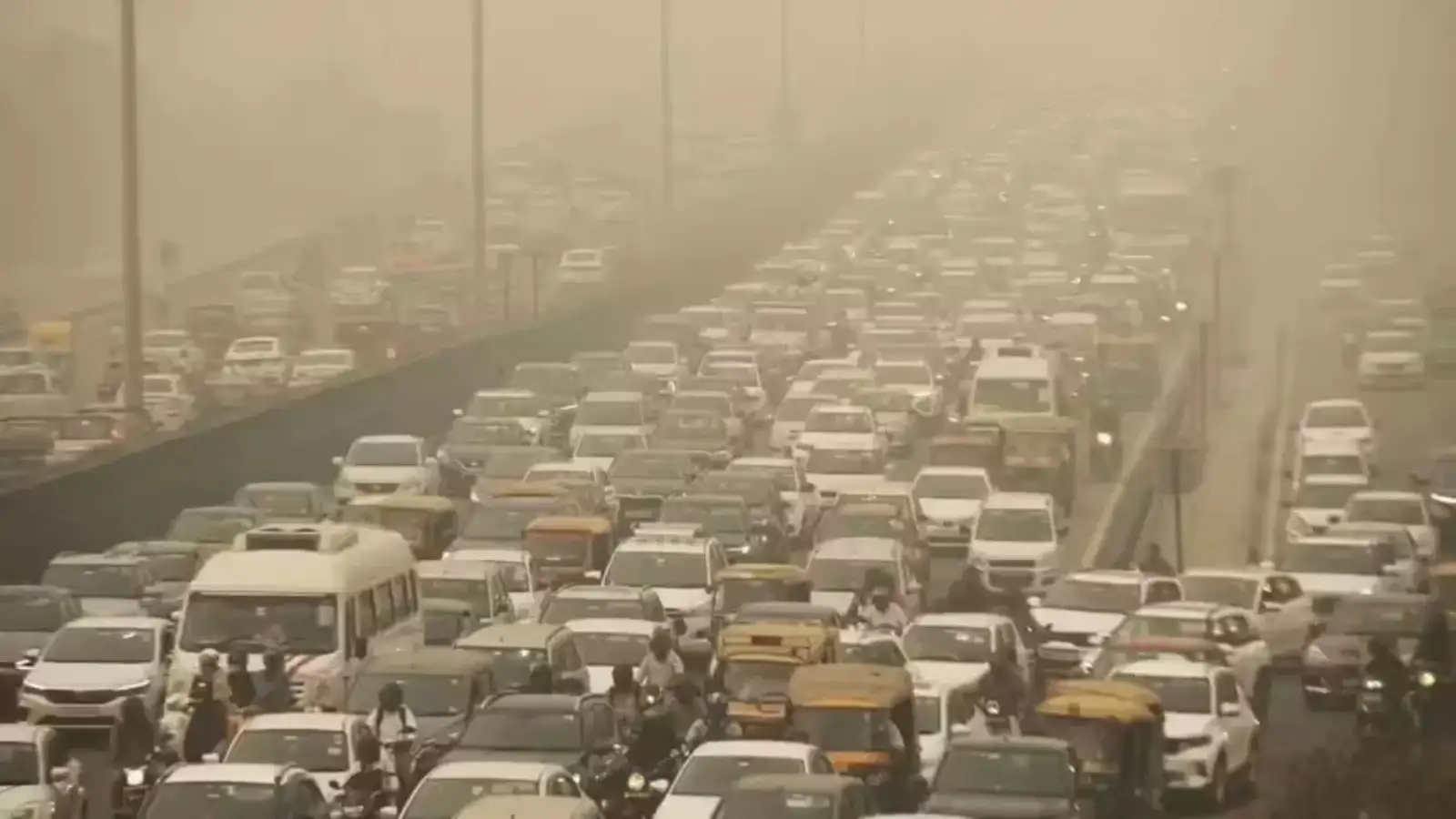
Delhi has signalled a renewed shift towards shared mobility and electric transport as part of a broader strategy to curb air pollution and reduce traffic congestion across the capital. The city government has outlined a multi-pronged transport reform plan aimed at lowering the number of private and commercial vehicles on roads while improving passenger efficiency and urban air quality.
According to senior officials, the approach recognises that pollution control cannot be addressed in isolation from traffic volumes. By encouraging shared taxi services and accelerating the adoption of electric vehicles, policymakers hope to move more people using fewer vehicles, easing congestion and cutting tailpipe emissions simultaneously. Urban transport experts say this model reflects global best practices in dense metropolitan regions facing similar air quality challenges.
A key element of the strategy involves reviving shared taxi services that declined after the pandemic. The government is expected to engage with major ride-hailing platforms to explore operational and regulatory changes that can make shared travel attractive again. Discussions will also include measures to improve passenger safety, encourage wider participation of women drivers and integrate electric vehicles into app-based taxi fleets. Officials believe that shared electric taxis could offer affordable mobility while delivering immediate environmental benefits.
Beyond shared mobility, authorities are strengthening enforcement against high-emission commercial vehicles. Automated vehicle fitness testing infrastructure is being expanded to identify and remove unfit vehicles from circulation. Existing facilities are already screening tens of thousands of vehicles annually, while additional centres are scheduled to become operational in the coming months. Once fully functional, the expanded network is expected to test several lakh commercial vehicles each year, significantly tightening emission compliance.Further capacity is being added through new automated testing stations at major public transport depots across the city. Transport planners say this will close enforcement gaps and reduce pollution caused by ageing or poorly maintained vehicles, which remain a major contributor to urban emissions.
Industry analysts note that vehicular pollution continues to account for a substantial share of Delhi’s poor air quality, particularly during winter months. Expanding public transport, improving last-mile connectivity and transitioning to electric fleets are increasingly viewed as essential for long-term improvement. Metro rail, bus services and electric mobility together form the backbone of the city’s long-range transport vision. Urban policy experts caution that behavioural change will be as important as infrastructure investment.
Incentivising commuters to opt for shared transport over private cars will require reliability, safety and affordability. If executed effectively, Delhi shared mobility reforms could not only improve air quality but also support a more inclusive and climate-resilient urban transport system. As Delhi continues to balance economic growth with environmental constraints, the success of this strategy may shape how other Indian cities approach the challenge of cleaner, more efficient urban mobility.
Delhi Targets Pollution Reduction Through Shared Taxis And Electric Vehicles Plan New