Delhi Targets Najafgarh Drain Pollution To Revive Yamuna
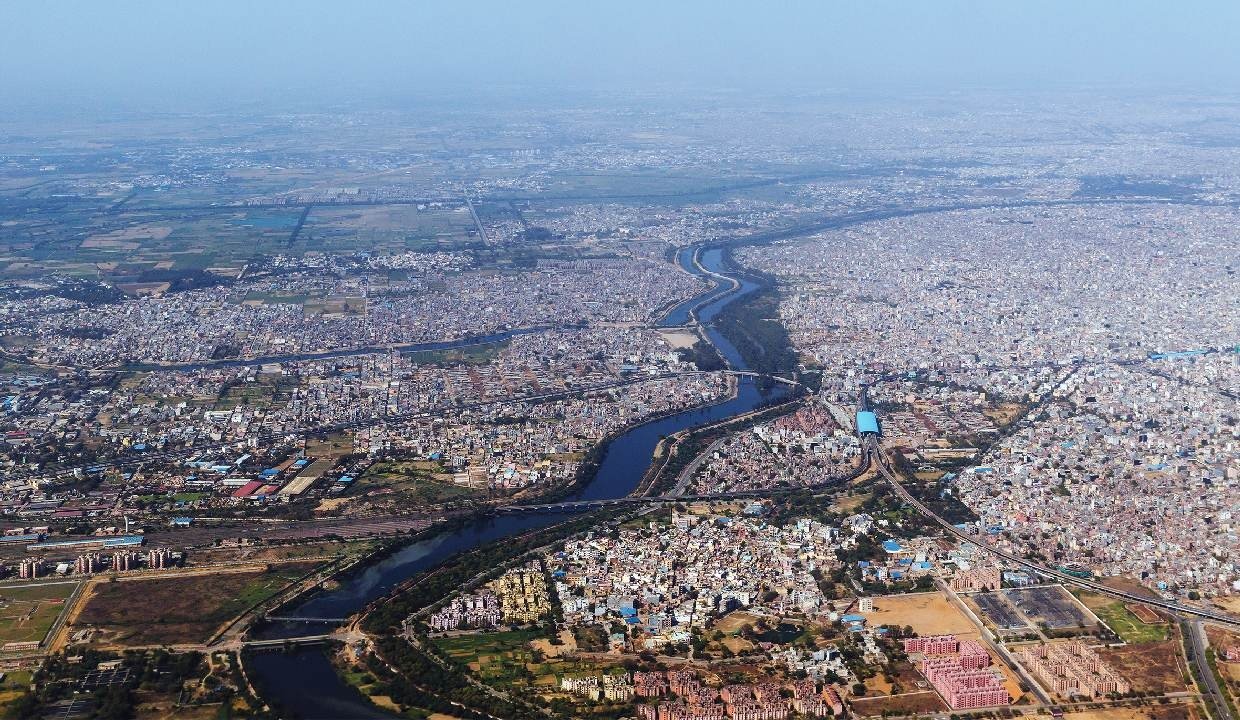
Authorities in Delhi have initiated a structured effort to address Najafgarh drain pollution, a major contributor to contamination in the Yamuna River, by introducing a decentralised monitoring and intervention strategy across the drain’s extensive network. The move signals a shift towards more localised and data-driven environmental management aimed at improving river health in the national capital. Stretching roughly 52 kilometres, the Najafgarh drain carries a substantial portion of untreated wastewater before it reaches the Yamuna. Officials involved in the programme said the new approach focuses on identifying pollution sources at a micro level, allowing targeted responses rather than relying solely on large centralised treatment systems.
Under the initiative, the entire drain has been divided into multiple segments that will be monitored independently by dedicated teams. Each segment will undergo regular evaluation of water quality indicators at both entry and exit points. This process will enable authorities to pinpoint where contamination levels increase, helping identify specific sources of Najafgarh drain pollution such as untreated sewage, industrial discharge or waste generated by dairy activities. Environmental engineers working on the project explained that one of the key parameters under observation is biological oxygen demand (BOD), a widely used indicator of organic pollution in water bodies. Rising BOD levels typically signal excessive organic waste entering the water system, which can deplete oxygen levels and harm aquatic ecosystems. Urban water experts say the emphasis on continuous data monitoring reflects growing recognition that restoring heavily polluted rivers requires granular tracking of pollution pathways. The Najafgarh drain is widely regarded as one of the Yamuna’s most significant pollution channels, carrying wastewater from dense residential zones, industrial clusters and peri-urban settlements.
Alongside monitoring efforts, authorities are pursuing infrastructure measures aimed at reducing untreated waste entering the drainage system. Work is underway to expand sewer connectivity in neighbourhoods that remain outside the formal sewage network. Officials noted that extending pipelines and linking households to treatment facilities is expected to significantly reduce raw sewage inflows. Another component of the strategy involves collaboration with civic agencies to manage organic waste generated in dairy clusters located near the drain. Experts estimate that cattle waste contributes significantly to organic pollution levels. Proposed interventions include composting systems and biogas facilities designed to convert waste into energy or fertiliser instead of allowing it to flow into drains. Parallel efforts are also focusing on desilting and cleaning major feeder drains that eventually discharge into the Najafgarh channel. Authorities indicated that large sections of this maintenance work are expected to be completed within the current year. Urban planners view the effort to reduce Najafgarh drain pollution as a critical step in the broader challenge of restoring the Yamuna’s ecological health. While smaller interventions may produce gradual improvements in water quality, experts caution that meaningful recovery will depend on sustained monitoring, infrastructure upgrades and coordination among multiple agencies.
As cities across India confront increasing pressure on urban rivers, the success of such localised strategies could shape future models for tackling complex water pollution challenges.