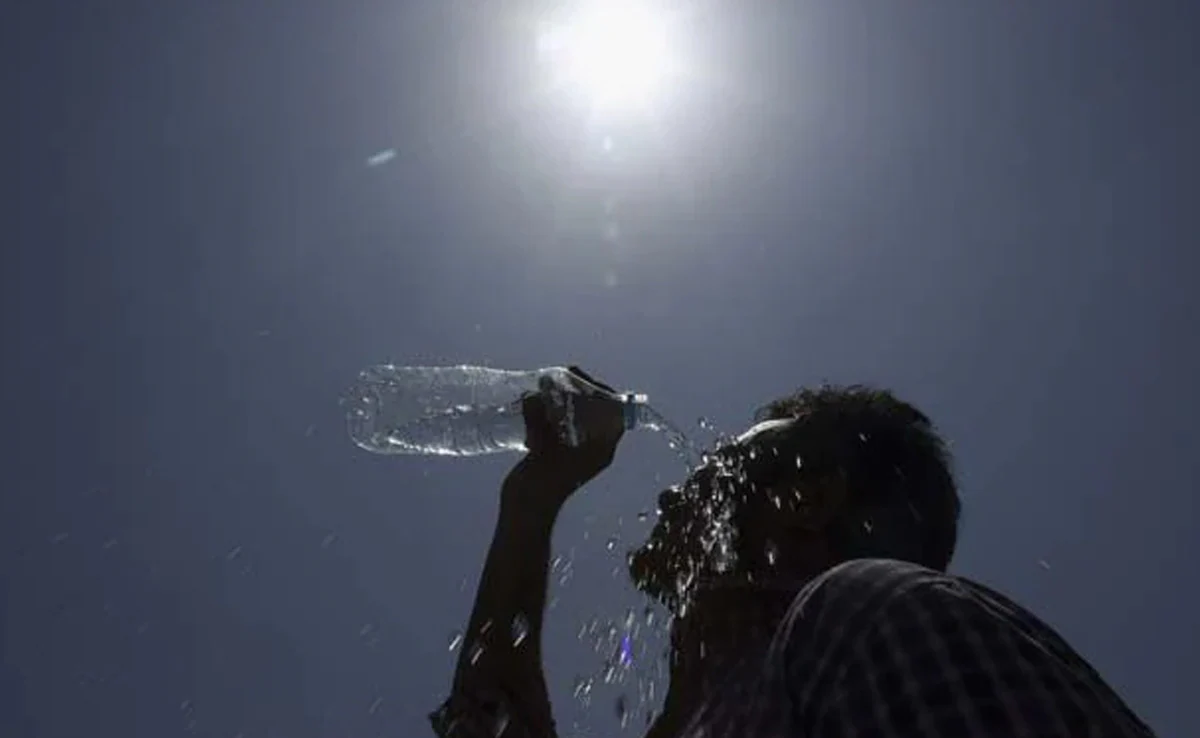
Delhi has unveiled a citywide strategy to manage peak-season water demand and infrastructure stress, with a new summer action plan focusing on supply stability, sewer upgrades and river restoration. The initiative comes as rising temperatures and uneven distribution continue to challenge urban water access, making reliable service delivery a critical civic and environmental priority. At the core of the Delhi Summer Action Plan is the aim to maintain high daily water output during the hottest months, supported by fully operational treatment plants across the capital. Officials indicate that consistent monitoring of raw water quality and plant performance will be central to avoiding supply disruptions, particularly in high-demand zones where shortages have historically been acute.
To address gaps in underserved neighbourhoods, the plan proposes the addition of several hundred groundwater extraction points, expanding the city’s reliance on decentralised sources. While this may offer immediate relief, urban planners note that long-term sustainability will depend on balancing extraction with recharge strategies such as rainwater harvesting and aquifer management. Distribution efficiency is another key pillar. Authorities plan preventive maintenance of reservoirs, routine pipeline cleaning, and intensified leak detection to reduce non-revenue water losses. A large fleet of water tankers will continue to operate during peak demand, but with enhanced digital tracking systems aimed at improving accountability and reducing misuse. Experts say such measures are essential in a city where tanker-based supply often fills critical gaps but has faced scrutiny over transparency. The Delhi Summer Action Plan also places strong emphasis on wastewater management. Upgrading ageing sewer networks and expanding treatment capacity are expected to reduce untreated discharge into the Yamuna, a longstanding environmental concern.
Officials highlight that improved sewage handling is not only a public health imperative but also a prerequisite for meaningful river rejuvenation. Digital governance tools form a notable component of the initiative. A new suite of platforms, including a mobile application, AI-enabled chatbot and centralised grievance system, is designed to enable real-time complaint tracking and quicker resolution. Urban governance specialists suggest that such tools could improve citizen engagement, particularly in areas where service delivery has been inconsistent. Looking ahead, the plan outlines a longer-term framework extending several decades, with ambitions to significantly increase treatment capacity and achieve near-zero wastewater discharge at the neighbourhood level. The strategy also anticipates future housing growth, indicating a shift towards planning infrastructure in tandem with urban expansion.
While the Delhi Summer Action Plan represents a coordinated attempt to address seasonal stress, its success will depend on sustained execution, inter-agency coordination and integration of climate-resilient practices. As cities face intensifying heat and water scarcity, such frameworks may increasingly define how urban centres balance growth with resource security.