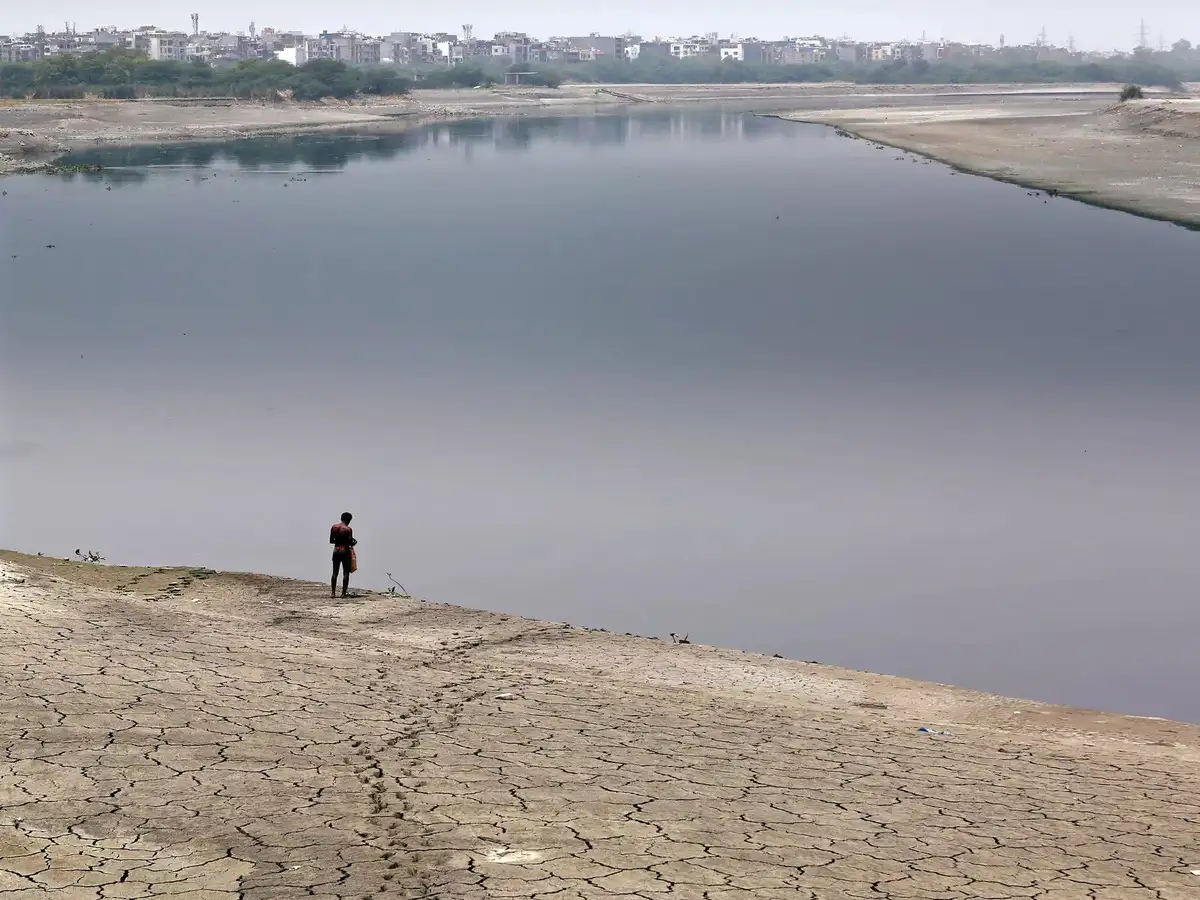
Delhi Summer Water Plan Focuses On Yamuna Protection
As temperatures begin to rise across the national capital, authorities have introduced a comprehensive operational strategy aimed at maintaining water availability while addressing the city’s long-standing river pollution challenges. The Delhi Summer Water Plan outlines measures to stabilize daily supply, expand groundwater support infrastructure, and improve monitoring systems as urban demand for water intensifies during the peak summer months. At the center of the plan is a target to maintain water production at roughly 1,002 million gallons per day through the hottest period of the year. Officials involved in the planning process say the approach combines operational preparedness at treatment facilities with efforts to reduce supply losses within the distribution network.
Key treatment plants supplying the capital — including major facilities in north, west and central Delhi — are undergoing operational checks to ensure uninterrupted processing capacity. Authorities are also closely monitoring the quality of incoming raw water, particularly ammonia levels that have previously disrupted treatment operations and caused supply interruptions. Alongside treatment upgrades, the Delhi Summer Water Plan proposes expanding groundwater-based supply through additional tube wells in areas that face persistent shortages. The city’s network is expected to grow to nearly 6,300 units before peak demand sets in. Urban infrastructure specialists note that while such measures help address immediate supply gaps, long-term water security will depend on reducing distribution losses and improving wastewater treatment. Several operational measures are therefore being introduced to strengthen network efficiency. Maintenance of underground reservoirs, booster pumping stations and transmission pipelines is being intensified, while specialised teams are conducting leak detection drives to curb water loss across ageing sections of the network. Bridging supply gaps in informal and rapidly expanding neighbourhoods remains another priority.
Officials say pipeline infrastructure has now reached most unauthorised colonies, though some areas remain dependent on tanker deliveries during high-demand periods. To improve accountability in tanker-based supply, the administration is deploying GPS tracking and route monitoring systems, supported by digital dashboards that allow authorities to track deliveries in real time. Water quality oversight is also being expanded under the plan. Laboratories across the city are collectively testing thousands of samples daily to ensure compliance with national drinking water standards. Authorities aim to maintain the proportion of non-compliant samples within a narrow range through intensified monitoring. Parallel efforts are underway to improve the capital’s wastewater management systems. Ageing sewer lines are being replaced, while mechanical desilting and drainage cleaning operations are being carried out to prevent untreated sewage from entering the Yamuna River — a persistent environmental concern that affects both urban ecosystems and downstream water security. Urban planners note that the Delhi Summer Water Plan reflects a broader shift toward integrating technology and infrastructure upgrades in urban utility management. Digital grievance systems, mobile applications and automated escalation mechanisms are also being introduced to improve citizen engagement and speed up service response.
With climate pressures, population growth and groundwater stress continuing to reshape the capital’s water landscape, experts say long-term resilience will depend on strengthening both supply infrastructure and river restoration initiatives in the years ahead.