


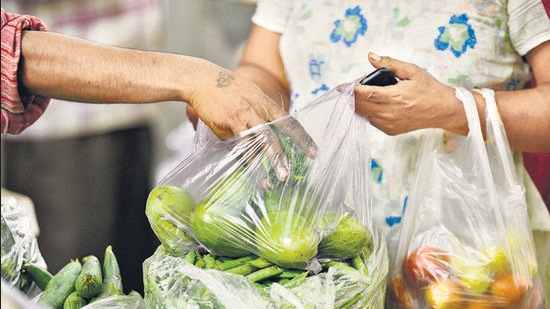
Two years after the nationwide ban on 19 types of single-use plastics (SUPs) came into effect, Delhi continues to grapple with widespread non-compliance, highlighting significant challenges in enforcement and the availability of viable alternatives. The ban, enforced from July 1, 2022, aimed to phase out SUPs like plastic cutlery, bags, straws, and plates to curb environmental degradation. However, on-ground observations reveal that the ban remains largely flouted, particularly in the informal sector dominated by vegetable, fruit vendors, and street-food stalls across the city.
Enforcement efforts led by the Delhi Pollution Control Committee (DPCC) and Urban Local Bodies (ULBs) have resulted in over 449 fines amounting to ₹14.16 lakh issued by ULBs and environmental damage compensation totalling ₹1.49 crore imposed by DPCC. Despite these measures, plastic items continue to be openly used in crowded areas such as ISBTs, railway stations, and tourist spots, underscoring the persistent challenges in implementation.A senior DPCC official, speaking anonymously, affirmed ongoing enforcement activities but acknowledged the deep-rooted issue in informal markets where affordability and availability of alternatives pose hurdles. For instance, vendors cite the significantly higher cost of paper straws compared to plastic ones as a barrier to adoption.The ban, part of the Plastic Waste Management Rules, 2021, targets items identified as major contributors to environmental pollution.
A study by Toxics Link highlighted Delhi’s poor compliance compared to other cities like Bengaluru and Mumbai, with banned SUPs found in 88% of surveyed stores and markets. This stark non-compliance underscores the need for stringent enforcement mechanisms and greater public awareness.While efforts are underway to bridge the gap through stricter penalties and promoting cost-effective alternatives, the effective eradication of SUPs in Delhi demands collaborative action involving government bodies, stakeholders, and the public. Addressing these challenges is crucial not only for environmental sustainability but also for fostering a culture of responsible consumption and waste management in urban centres.
