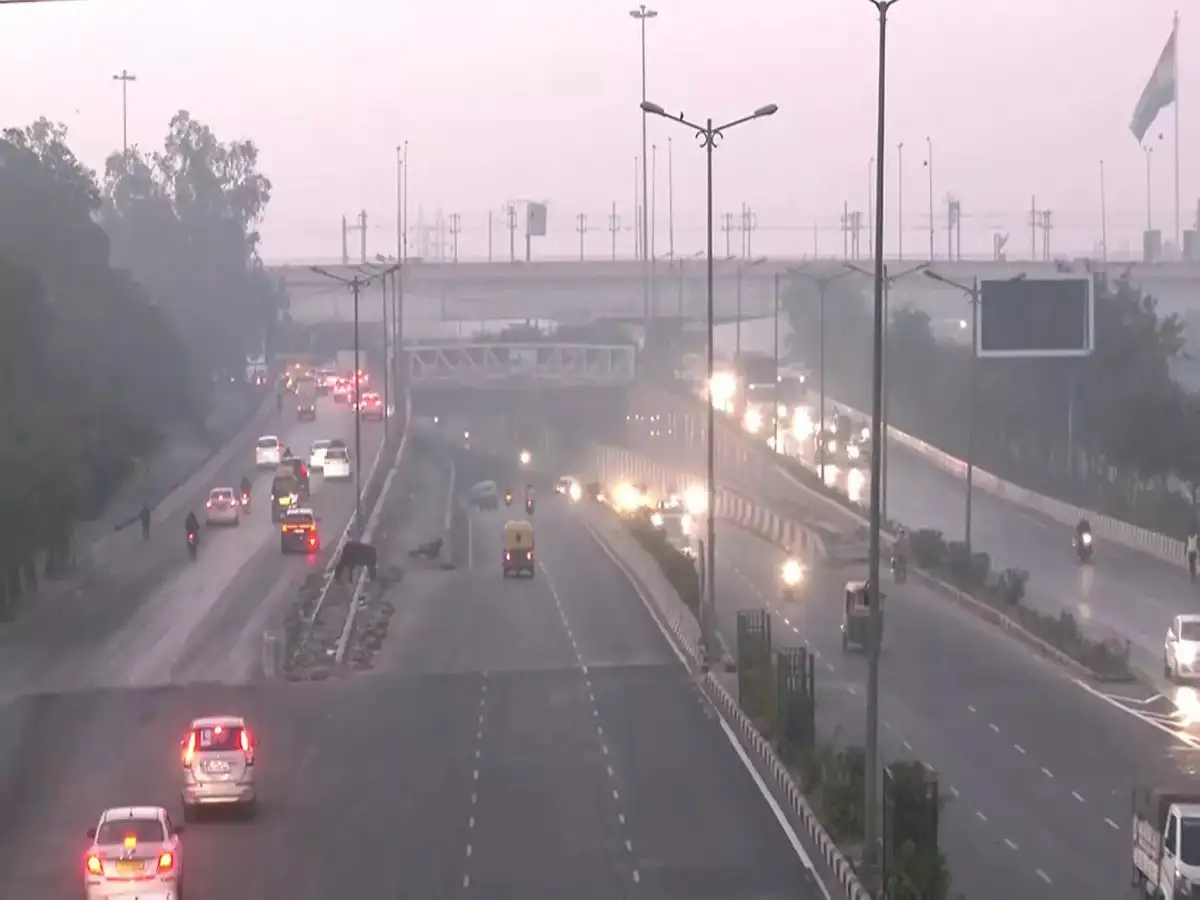
Delhi woke up under a thick layer of smog on Saturday morning, with the city’s average Air Quality Index (AQI) recorded at 333, categorised as ‘very poor’ by the Central Pollution Control Board (CPCB). While marginal improvements have been noted compared to previous weeks, several neighbourhoods including Ghazipur Mandi, Anand Vihar, Wazirpur, and Bawana continued to experience dense haze, posing health risks and reduced visibility for commuters.
CPCB data highlighted particularly severe conditions in Bawana, where the AQI reached 375, while Anand Vihar and Ghazipur Mandi recorded 366, Wazirpur 359, and Sonia Vihar 352. Even relatively less-affected areas such as NSIT Dwarka registered a ‘poor’ AQI of 260. Central Delhi locations, including India Gate and Kartavya Path, were also engulfed in smog with AQI readings above 310, underscoring the widespread nature of the city’s winter pollution crisis.
Experts note that Delhi’s seasonal smog is exacerbated by a combination of construction dust, vehicular emissions, industrial activity, and crop residue burning in neighbouring states. “The convergence of meteorological conditions and high emission sources during winter results in very poor air quality across large swathes of the city,” said an environmental analyst. Residents are advised to limit outdoor activities, particularly those with respiratory conditions, the elderly, and children.
In the legislative arena, MPs have raised concerns about the health implications of chronic exposure to toxic air, with some studies suggesting that one in seven deaths in Delhi could be linked to air pollution. The Ministry of Environment, Forest and Climate Change emphasised that air quality in 2025 had not yet reached the ‘severe plus’ threshold, and multiple mitigation measures are in place.The Commission for Air Quality Management (CAQM), established under the 2021 Act for Delhi-NCR, oversees air quality management and coordinates with municipal and state authorities. The agency has issued 95 statutory directions and activated its Graded Response Action Plan (GRAP) to manage pollution spikes during peak winter months. Stricter emission norms and regular review meetings are being implemented to curb industrial and vehicular contributions to pollution.
Urban planners emphasise that persistent smog underscores the need for integrated, sustainable urban design, including low-carbon transport, green infrastructure, and stricter construction-site monitoring.
“Without aligning city development with climate-conscious planning, winter pollution will continue to impact public health and urban productivity,” a senior planner said.Delhi’s ongoing smog crisis highlights the urgency of long-term solutions to improve air quality while ensuring equitable access to clean, safe urban environments. Authorities continue to monitor the situation closely, enforcing GRAP measures and urging citizens to adopt protective measures during the high-pollution period.
Delhi Smog AQI Reaches 333 City Remains In Very Poor Condition