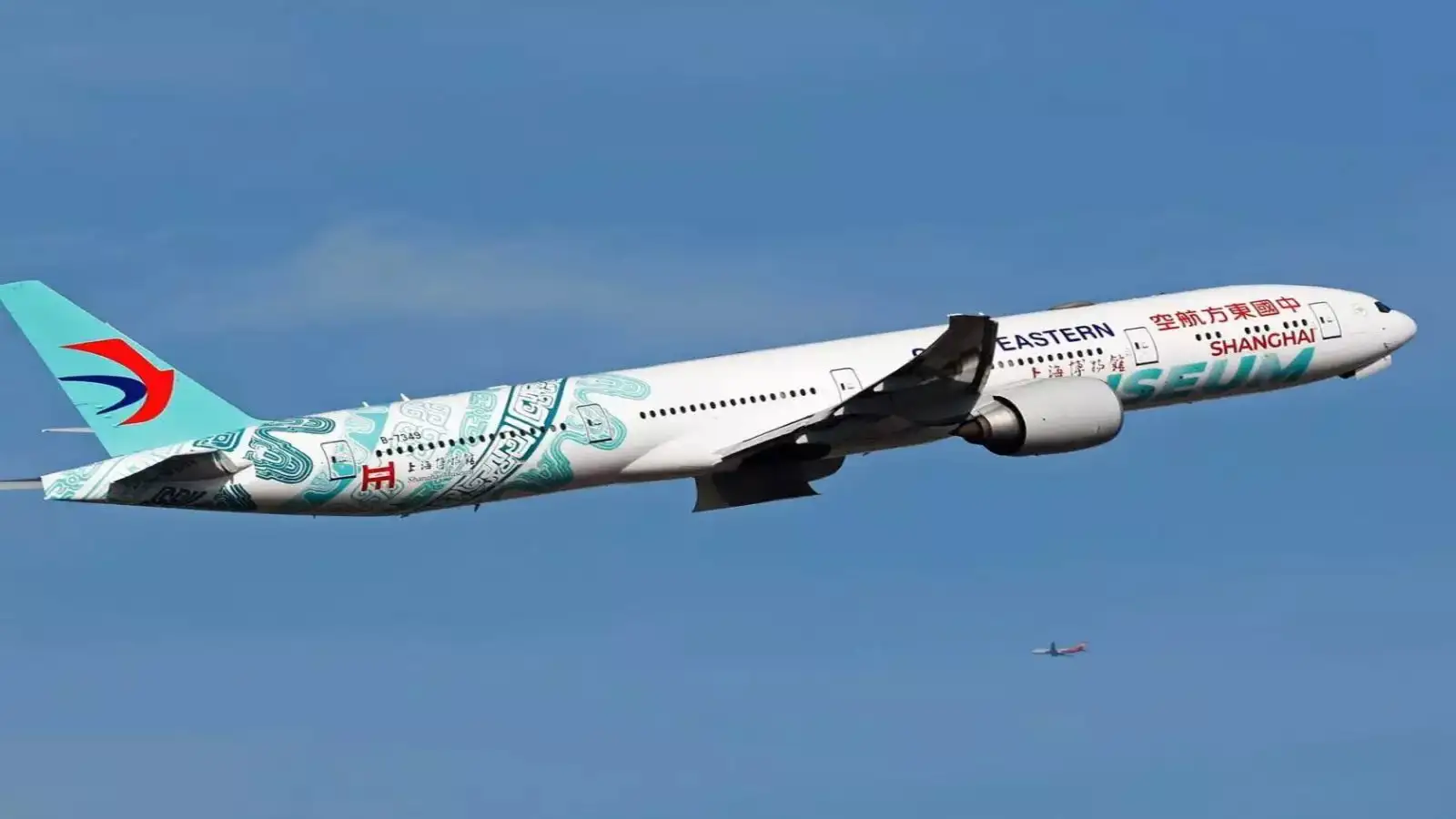
India’s largest domestic airline is preparing to expand international connectivity with a proposed non-stop service between Delhi and Shanghai, a move that reflects the gradual normalisation of air links between Asia’s two largest population centres. If cleared by regulators, the route would add capacity to a corridor that is regaining importance for trade, business travel, and people-to-people exchanges after years of disruption.
The planned Delhi–Shanghai connection is expected to commence by early spring, subject to bilateral and operational approvals. The route would place Delhi among a small group of Indian cities with direct access to China’s financial and manufacturing hub, reinforcing the capital’s role as a gateway for cross-border commerce and diplomacy. For urban economies dependent on global mobility, such links are increasingly viewed as strategic infrastructure rather than discretionary travel services. Since the resumption of limited air services between India and China last year, demand has been driven largely by business travellers, supply-chain professionals, and members of the Indian expatriate community based in major Chinese cities. Aviation sector analysts note that seat occupancy on recently restored routes has remained strong, signalling pent-up demand despite cautious capacity deployment.
This trend suggests that Delhi air connectivity with China could scale up quickly if regulatory confidence improves. From a city development perspective, enhanced Delhi air connectivity has implications beyond aviation. Direct long-haul routes support convention tourism, multinational office expansion, and export-oriented industries clustered around airports and logistics hubs. Areas such as Aerocity and adjoining commercial districts are likely to see increased activity as international passenger volumes stabilise. The proposed expansion also aligns with broader shifts in bilateral engagement. After prolonged suspension triggered first by the pandemic and later by geopolitical tensions, transport links are gradually being restored alongside visa facilitation and cultural exchanges. Urban policy experts argue that such incremental steps are essential to rebuilding trust and economic interdependence without sudden surges that strain infrastructure or regulatory systems.
Environmental considerations remain central to future route planning. Airlines are under growing pressure to balance network growth with fuel efficiency and emissions management. Industry observers note that newer aircraft deployed on medium-to-long haul Asian routes can reduce per-seat emissions, making direct flights more efficient than indirect connections routed through third countries.
Looking ahead, further expansion of Delhi air connectivity to East Asia will depend on sustained diplomatic stability and coordinated aviation policy. For India’s cities, the revival of direct international routes represents more than restored convenience it signals renewed confidence in urban economic integration, global labour mobility, and the resilience of cross-border infrastructure after years of uncertainty.
Delhi Shanghai Flight Signals Aviation Reset