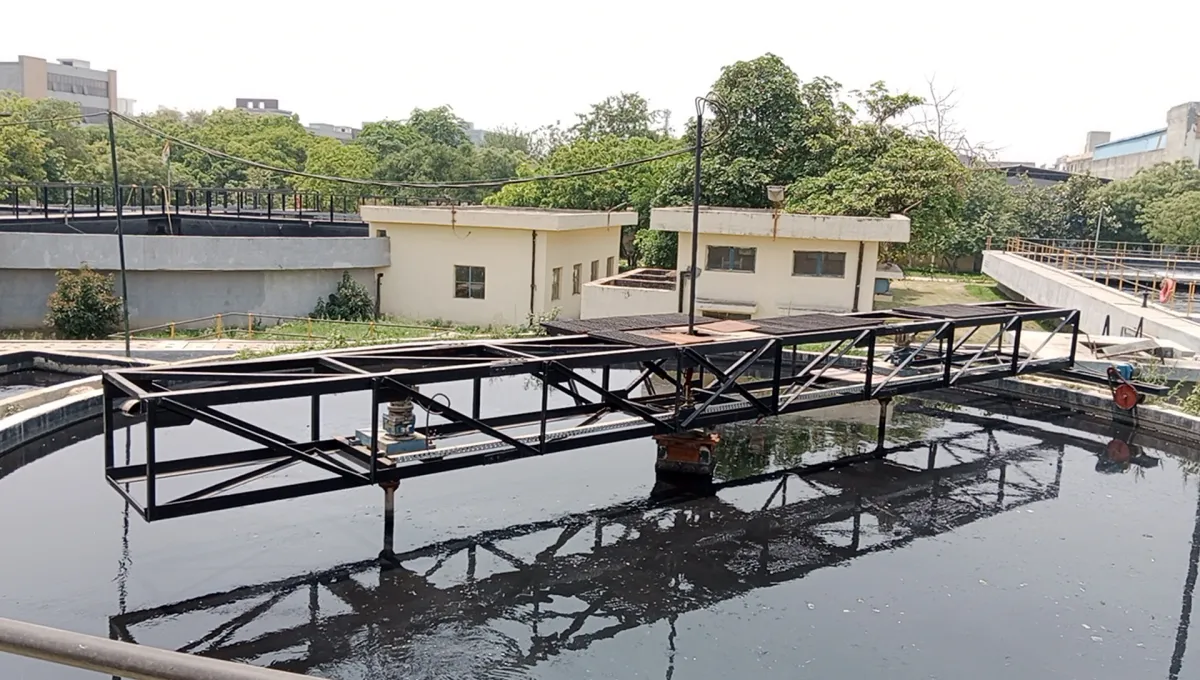
Delhi Sewage Treatment Plants Under Scrutiny As Compliance Gaps Emerge
A significant share of Delhi’s sewage treatment infrastructure is failing to operate at expected standards, raising concerns about the city’s efforts to clean the Yamuna and manage wastewater effectively. The latest environmental monitoring assessment indicates that several Delhi sewage treatment plants are either temporarily shut for rehabilitation or unable to meet the discharge norms mandated by national pollution control authorities. The findings highlight operational gaps across a network that forms the backbone of the capital’s wastewater management system. Out of the city’s 37 treatment plants, more than a dozen have been identified as either non-operational during inspection periods or unable to comply with critical water quality parameters. Environmental regulators conduct monthly sampling to evaluate performance, measuring indicators such as biological oxygen demand, chemical oxygen demand, total suspended solids and faecal contamination levels.
These indicators are key measures of water quality. Biological oxygen demand reflects the amount of oxygen required to break down organic matter in water, while chemical oxygen demand measures the total quantity of chemicals that can oxidise pollutants. High values typically indicate untreated sewage or industrial discharge entering water bodies. According to the latest monitoring cycle, several Delhi sewage treatment plants have recorded levels exceeding prescribed limits across multiple parameters. Plants located in parts of south and north-west Delhi reported some of the highest concentrations of faecal contamination, indicating persistent sewage inflow into treatment systems. In some cases, faecal coliform levels were recorded many times higher than acceptable thresholds, signalling significant public health and environmental risks if discharged into river systems. Urban water experts say treatment plants play a critical role in protecting river ecosystems. In Delhi’s case, the Yamuna receives large volumes of wastewater from the city’s drains, making effective sewage treatment central to any meaningful river restoration strategy.
The capital generates vast quantities of wastewater each day due to its large population and high urban water consumption. Government estimates suggest that nearly 80 percent of supplied water eventually returns as wastewater. Treatment facilities therefore form a crucial link between urban water supply and environmental sustainability. Delhi currently operates sewage treatment plants across multiple locations with a combined installed capacity designed to handle hundreds of millions of gallons of wastewater daily. However, industry experts say ageing infrastructure and evolving regulatory standards have made upgrades essential. Many of the older Delhi sewage treatment plants were built decades ago and require modernisation to meet current environmental benchmarks. Authorities have indicated that infrastructure upgrades are underway. Several treatment plants have already undergone modernisation in recent years, while additional projects aimed at increasing treatment capacity and improving technology standards are being planned. New decentralised treatment units are also expected to be developed to address sewage flows in areas that remain outside the central sewer network. Urban planners say strengthening wastewater infrastructure is critical for sustainable city growth. Efficient sewage treatment not only protects rivers and groundwater but also enables water recycling, a resource that can reduce pressure on freshwater supplies in water-stressed regions.
For Delhi, improving treatment efficiency will remain a key test of its broader environmental strategy. As the capital continues to expand, ensuring that wastewater infrastructure keeps pace with urban growth will be essential to safeguarding both public health and the long-term ecological health of the Yamuna.