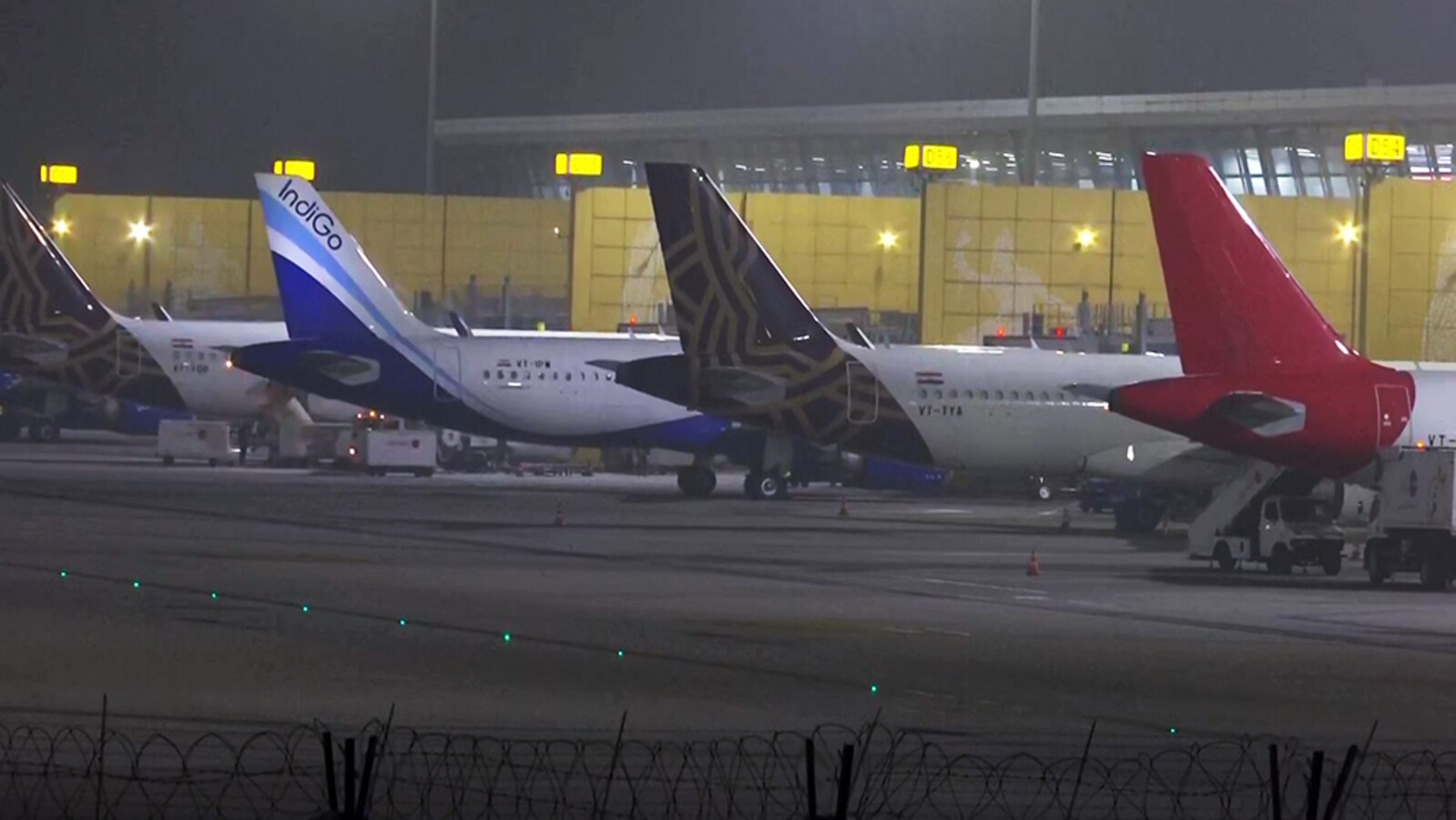
Delhi Sees Heavy Rainfall, Multiple Flights Delayed At IGI Airport
Delhi and its surrounding areas faced operational gridlock on Tuesday as a torrential downpour brought the capital to a halt, severely disrupting air travel from Indira Gandhi International Airport. The heavy rain, a hallmark of the monsoon season, has once again underscored the fragility of the city’s infrastructure and its pressing need for climate-resilient urban planning. The meteorological department’s yellow alert across the National Capital Region serves as a stark reminder of the escalating challenge posed by extreme weather events. The travel chaos that ensued is more than just a momentary inconvenience; it is a critical bellwether of the city’s readiness for a zero-net-carbon future.
The immediate fallout was most visible at the city’s primary aviation hub, where more than fifty flights were delayed and several were cancelled. The logistical challenge presented by the downpour created a cascade effect, affecting thousands of travellers and highlighting the profound impact of weather events on a city’s economic and social fabric. This disruption in air travel is a significant concern for both business and leisure travel, threatening to derail carefully laid plans and cause substantial financial setbacks. Aviation experts note that as flight density increases, the margin for error diminishes, making airports and their surrounding infrastructure increasingly susceptible to weather-related operational failures. It is a powerful illustration of how the city’s growth must be matched by a parallel investment in resilient infrastructure and sustainable systems.
This scenario is not isolated to the capital. The severe weather system plaguing Delhi is part of a larger national pattern of monsoon mayhem. Reports from other northern states paint a grim picture, with Himachal Pradesh reeling from monsoon-related fatalities and Uttarakhand witnessing deadly flash floods. These events collectively underscore a national climate crisis, where the intensity and unpredictability of weather are becoming the new norm. For Delhi, a city aspiring to be a global, equitable, and sustainable metropolis, these broader regional challenges must be part of the local planning discourse. The safety and well-being of its citizens are intrinsically linked to the stability of its surrounding regions and the national climate agenda.
The recurrent nature of such incidents demands a fundamental shift in the city’s approach to infrastructure and urban development. Rather than viewing heavy rain as an unavoidable seasonal nuisance, officials and planners must recognise it as a critical test of the city’s resilience. Solutions must go beyond short-term fixes and focus on long-term, eco-friendly strategies. This includes upgrading stormwater drainage systems, promoting green spaces that absorb excess water, and investing in sustainable, gender-neutral transportation systems that are less vulnerable to disruption. A city that cannot handle a few hours of rain cannot claim to be truly sustainable or equitable, as it is often the most vulnerable communities that bear the brunt of such disruptions.
The current situation is a compelling call to action. The need for a zero-net-carbon city is not merely an environmental goal but a prerequisite for urban stability, economic continuity, and social equity. The flight delays at Delhi’s airport are a tangible symptom of a larger systemic issue that requires a decisive, long-term commitment. As the monsoon continues, the city must seize this moment to commit to an infrastructure overhaul that can withstand the climate challenges of the future, ensuring that its residents are not just resilient, but thriving, in a sustainable and equitable urban environment.